

When I turned 60, my doctor told me my biological age was closer to 75—and that’s when everything changed.
Maybe you feel like it’s too late. Like the damage is done. I felt that way too. Every health article seemed to contradict the last one. I was overwhelmed and honestly scared of losing my independence as I got older.
But here’s what I discovered. Small changes made after 60 can add years to your life. Real years. Not just surviving, but thriving.
I’m going to share 7 longevity habits after 60 that transformed my health. These aren’t guesses or trends. They’re backed by 2024-2025 research from Harvard, Mayo Clinic, and studies tracking thousands of people for decades.
You’ll learn the exact protocols that extend lifespan. Simple daily actions like lifting light weights twice a week, fixing your sleep schedule, and eating more plants. These habits work together to reverse your biological age and improve healthy aging.
I started at 60. I’m 75 now. My biological age? It’s gone backwards. And if I can do it, so can you.
Extend Lifespan & Reverse Biological Age
These simple daily actions work together to improve healthy aging:
Habit #1: I Started Lifting Weights Twice a Week (Even With Arthritis)
At 62, I couldn’t do a single push-up. My knees hurt. My back ached constantly. The idea of lifting weights seemed impossible.

Then my doctor showed me something that changed my mind. Research from 2024 found that just 30-60 minutes of strength training per week reduced death risk by over 10%. That’s less time than watching a movie.
Here’s what scared me into action: muscle loss speeds up after 60. You lose 3-5% of your muscle every decade, according to Cedars-Sinai research. Dr. Martha Gulati, a cardiologist there, puts it bluntly: “Building muscle mass is especially important for older adults because muscle loss occurs naturally with aging and increases rapidly after 60.”
But here’s the good news. A 20-year study in Lancet Healthy Longevity found that people who stayed physically active lived 4.5 years longer on average. Four and a half years. That got my attention.

I started small. Really small. Chair squats while watching TV. Wall push-ups in my bathroom. Five-pound dumbbells that my grandson could lift with one hand.
Now? I do bodyweight exercises twice a week. My knees hurt less. I can carry groceries without help. And I’m building back the muscle I thought was gone forever.
Habit #2: I Sleep 7-8 Hours Every Night—On a Schedule
I used to sleep whenever I felt tired. Some nights at 10 PM. Other nights at 1 AM. I thought I was fine as long as I got enough hours.
I was wrong. A 2024 study of over 60,000 people found something surprising. Sleep regularity matters more than how long you sleep. Going to bed at the same time every night reduced death risk by 20-48%. That’s huge.

Here’s what shocked me most. Men with healthy sleep habits lived 4.7 years longer. Women lived 2.4 years longer, according to the American College of Cardiology. And Mayo Clinic research in 2024 showed that getting less than 7 hours speeds up heart and blood vessel aging.
I made one simple change. I go to bed at 10:30 PM every night. Even weekends. I give myself a 30-minute window, but that’s it.
My sleep schedule now affects my cellular aging. Regular sleep patterns lower inflammation markers by 34%. That means less wear and tear on your body at the cellular level.

I use blackout curtains. I keep my bedroom cool. A white noise machine blocks out sounds. These small things make a big difference for sleep and longevity.
Pick a bedtime tonight. Stick to it for one week. Your body will thank you.
Habit #3: I Adopted an 80% Mediterranean Diet (No Perfection Required)
I’m not going to tell you to give up everything you love. I still eat pizza and ice cream. But I made plants and olive oil the base of most meals, and it changed everything.
A 2024 Harvard study tracked women for 25 years. Those following a Mediterranean diet had a 23% lower risk of death from any cause. The researchers found that metabolism and inflammation were the most important factors in this connection between Mediterranean diet longevity and longer life.
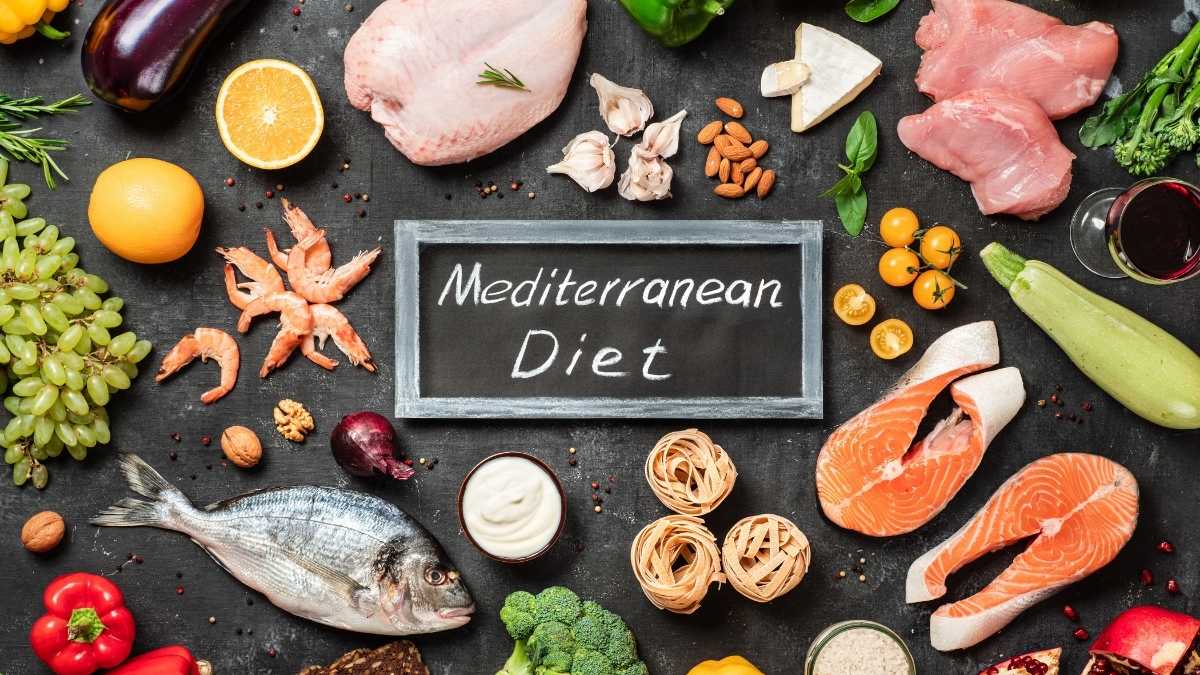
Here’s what I eat now. Lots of vegetables. Fruits. Beans and lentils. Nuts. Fish twice a week. Extra virgin olive oil on almost everything. Research shows that each serving of legumes predicted survival in older adults across different ethnicities.
I follow the 80/20 rule. 80% of the time, I eat Mediterranean style with anti-inflammatory foods. 20% of the time, I eat what I want. This makes it stick.
I also eat within a 12-hour window. Breakfast at 8 AM, dinner by 8 PM. Simple intermittent fasting that fits my life.

I meal prep on Sundays. I shop at the farmer’s market for fresh vegetables. The Blue Zones cookbook gave me easy recipes that actually taste good.
Start with one Mediterranean dinner this week. Add olive oil instead of butter. See how you feel.
Habit #4: I Socialize Face-to-Face At Least Three Times a Week
After I retired, I went three days without talking to anyone in person. That scared me. Research shows social isolation increases premature death risk by 50%. That’s as dangerous as smoking 15 cigarettes a day.
A Chinese study found something amazing. People who socialized daily lived significantly longer than those who never socialized. The Harvard Study of Adult Development tracked people for 85 years and found that strong relationships were the most consistent predictor of a long life.

Here’s what matters for social connections longevity. Face-to-face beats phone calls and video chats. Quality trumps quantity. The CDC reports that loneliness is linked to 50% increased dementia risk and 29% higher heart disease risk.
I made a plan for preventing isolation seniors face. I joined a walking club on Mondays. I volunteer at the library on Wednesdays. Family dinner every Friday. These simple acts of community engagement keep me connected.
Women with high social integration lived 10% longer in the Nurses’ Health Study. Ten percent. That’s years added to your life just from spending time with people.
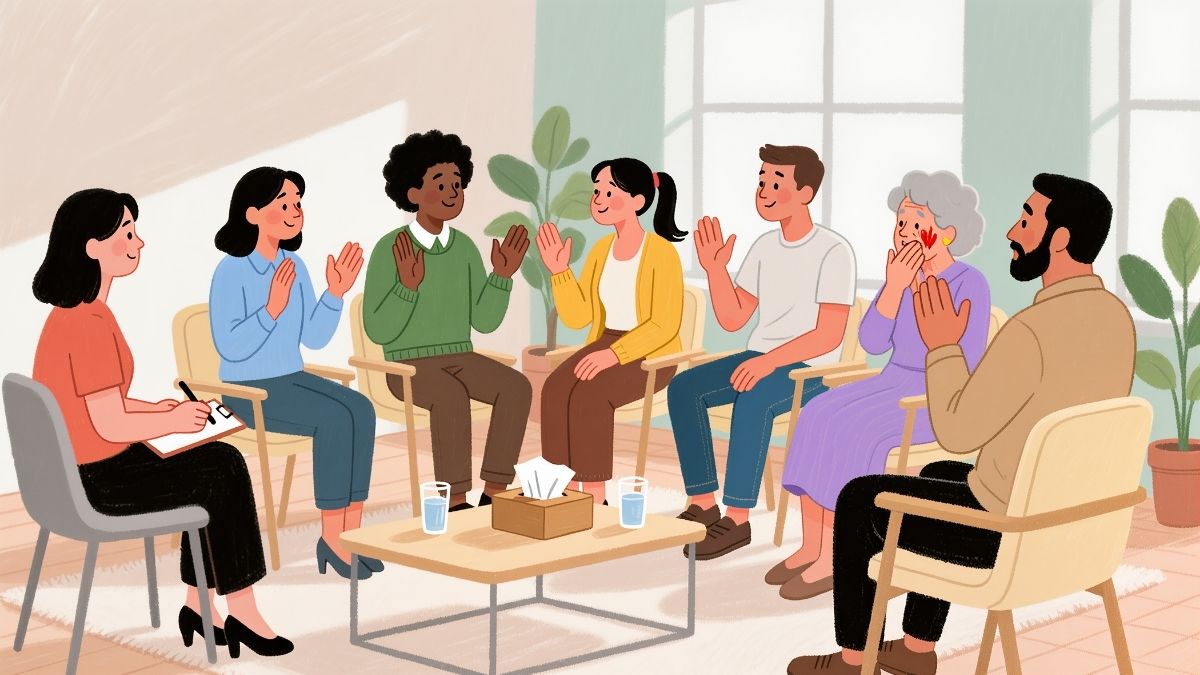
You don’t need a huge social circle. Join one club. Volunteer at your local hospital or school. Attend your church or senior center. Pick one activity this week where you’ll see real people, face-to-face.
Habit #5: I Walk 30-45 Minutes Daily (Not All at Once)
I didn’t suddenly become a marathon runner. I started by walking to the mailbox. Then around the block. Now I walk 30-45 minutes most days, and this daily walking routine might be adding years to my life.
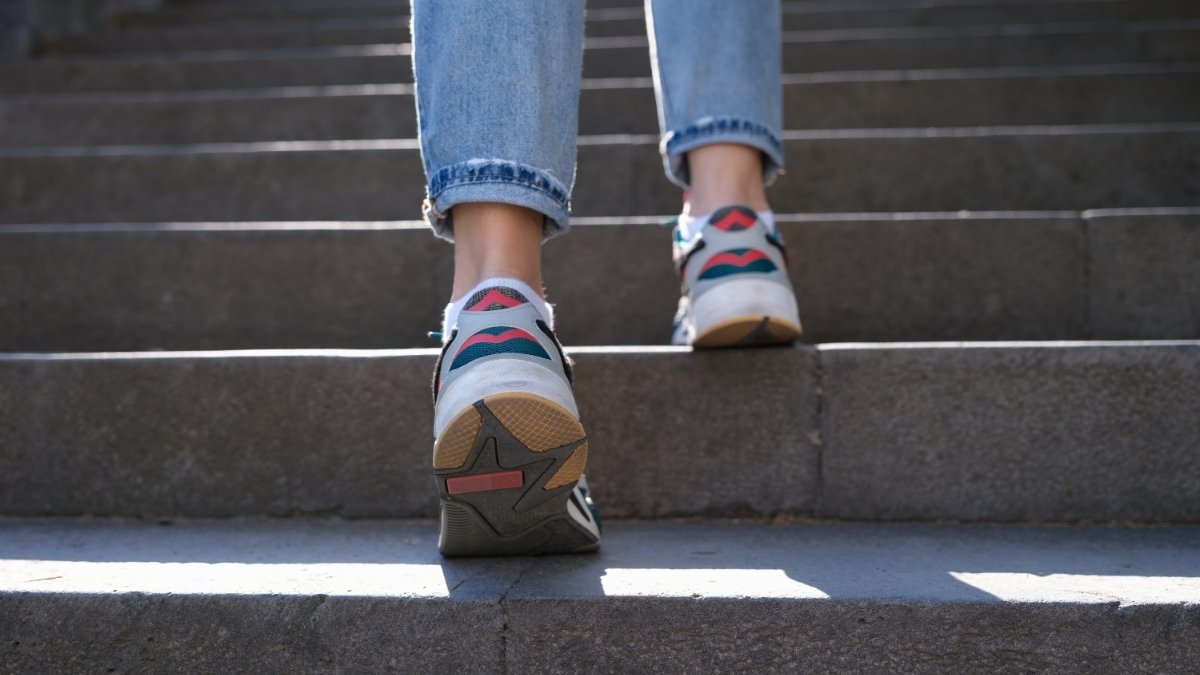
The Lancet study found that physical activity was the clear standout among all longevity factors. But here’s what makes walking so powerful. Zone 2 cardio—that’s walking at 60-70% of your max heart rate—increases mitochondrial density in skeletal muscle, according to Cell Metabolism research from 2024. Think of mitochondria as tiny batteries in your cells. More batteries mean more energy.
You need 150 minutes of moderate exercise weekly. That’s the gold standard for cardiovascular health seniors need. A University of Copenhagen study found that 150 minutes of Zone 2 cardio paired with two strength sessions enhanced insulin sensitivity within 8 weeks.
Here’s the best part. You can break it up. I walk 15 minutes after breakfast. Another 15 after lunch. Sometimes 15 more after dinner. Walking after meals helps control blood sugar.

I use a fitness tracker to check my heart rate. Good walking shoes with support are essential. Walking poles help with balance on rough ground.
Tomorrow, walk for 10 minutes after one meal. Just 10. Build from there.
Habit #6: I Manage Stress Through 10-Minute Daily Mindfulness
I used to think stress was just part of life. Then I learned it was literally aging my cells faster. Chronic stress elevates cortisol, accelerating cellular aging. Research shows that working over 40 hours weekly increased biological age by 2 years.

Here’s what changed my mind about stress management seniors need. A 2024 study found that the ability to regulate emotions predicted slower age acceleration. That’s the link between mindfulness longevity and actually living longer.
Cortisol aging happens when stress hormones stay high. They damage your DNA. They weaken your immune system. But you can fix this with simple daily habits.
I started with 10 minutes a day. That’s it. I tried box breathing first—breathe in for 4 counts, hold for 4, out for 4, hold for 4. Simple and it works.
Now I rotate between different practices. Body scan meditation some days. Gratitude journaling others. Gentle yoga twice a week. Tai chi at the senior center on Thursdays.
Consistency beats duration every time. Ten minutes daily works better than an hour once a week.
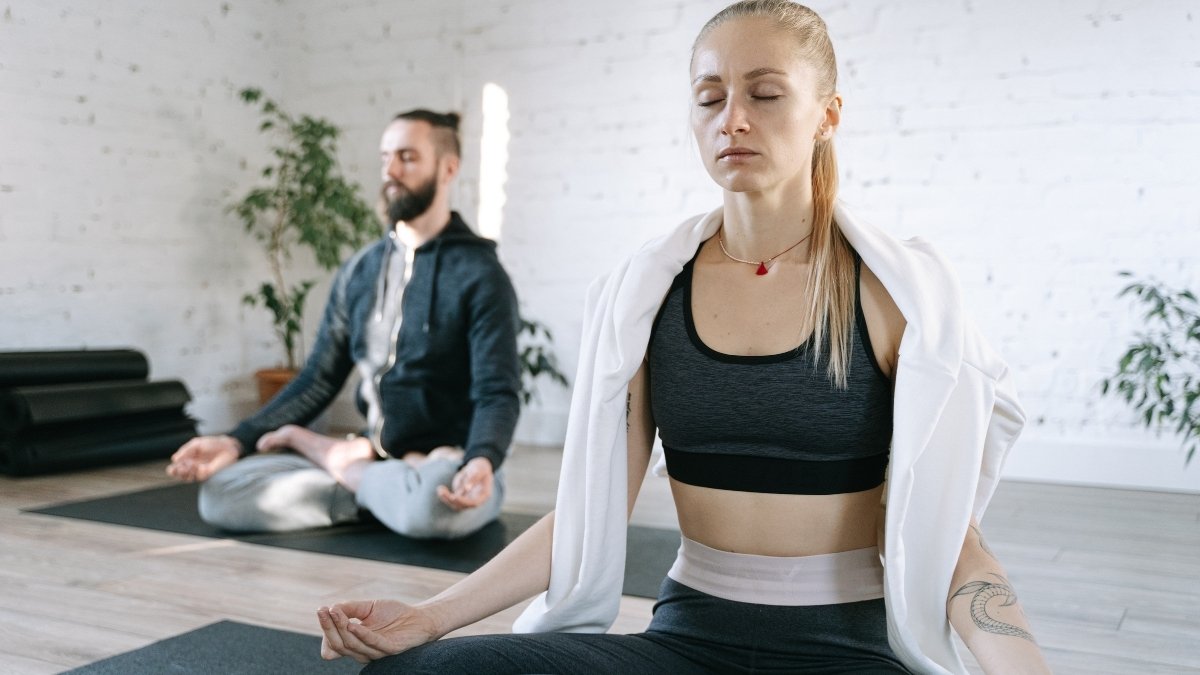
Set a timer for 10 minutes tomorrow morning. Just breathe. Focus on each breath. That’s your starting point for stress management that adds years to your life.
Habit #7: I Found Purpose Through Volunteer Work and Learning
Retirement was supposed to feel freeing. Instead, I felt lost. I needed purpose in retirement, and finding it again changed everything.

Blue Zones research shows that people with a sense of purpose live about 8 years longer. Eight years. In Okinawa, they call it ikigai—your reason for being. It’s why you get up in the morning.
Harvard Chan School found that those who volunteer tend to live longer lives. Volunteering helps you as much as it helps others. The Harvard Adult Development Study linked growth mindset through lifelong learning to happiness in old age. Meaningful activities seniors engage in protect cognitive health aging.
I tutor kids at the library twice a week. I mentor young professionals in my old field once a month. I’m learning Spanish on Coursera because I always wanted to. I joined the community garden board.

These aren’t huge commitments. But they give me reasons to wake up excited. They keep my brain sharp. They connect me to people who need what I can offer.
Purpose doesn’t have to be grand. It can be teaching one kid to read. Learning one new song on guitar. Helping at the food bank on Saturdays.
Lastly,
Here’s what I learned at 60. It’s never too late to change. These longevity habits after 60 added years to my life, and they can add years to yours too.
You don’t need perfection. I follow the 80/20 rule with everything. Consistency beats perfection every single time. These seven healthy aging strategies work together, but you don’t need to start all seven today.
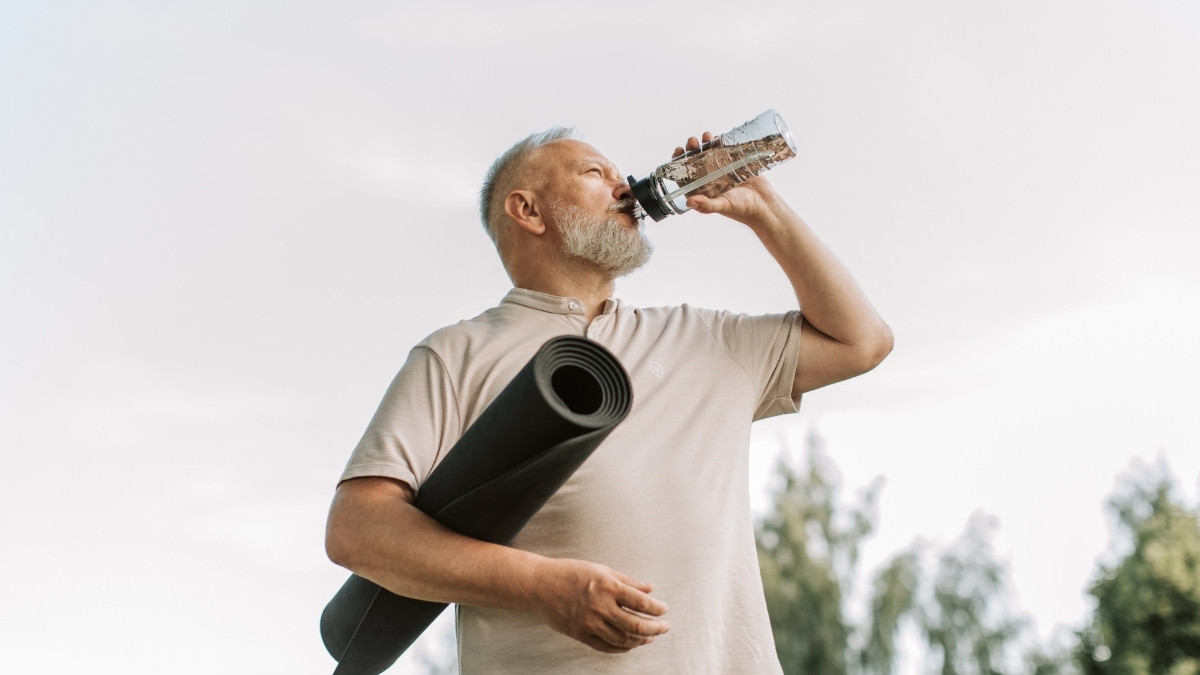
Pick two. Maybe three. Lift weights twice a week and fix your sleep schedule. Or start walking daily and join a club. Build from there. Your biological age can actually reverse with the right choices.
Research shows that even one healthy habit adopted after 65 can add 4.5 years to your life. One habit. Four and a half years. That’s real time with your grandkids. More trips. More sunrises. More life.
Choose one habit to start this week. Which will help you extend your lifespan first? The weights? The walking? The sleep schedule?