

Research published in 2025 reveals that a 70-year-old can restore maximal muscle strength to the level of young adults after just a few weeks of proper training.
You’ve probably heard that muscle loss is just part of aging. That losing strength means losing independence. Maybe you worry about falls or not being able to keep up with grandkids. You wonder if it’s too late to start.
It’s not.
Scientists now understand how to prevent and reverse sarcopenia, the medical term for age-related muscle loss. The training method they found works differently than typical senior fitness programs. And it works fast for older adults.
In this guide, you’ll learn the exact resistance training protocol that builds muscle strength after 70. You’ll get real numbers on protein intake, not vague advice. You’ll see why light weights and high reps might be holding you back.

Most important, you’ll get a step-by-step plan you can start today. Your muscles are ready to respond. Let’s show them how.
What Research Actually Shows About Aging Muscles
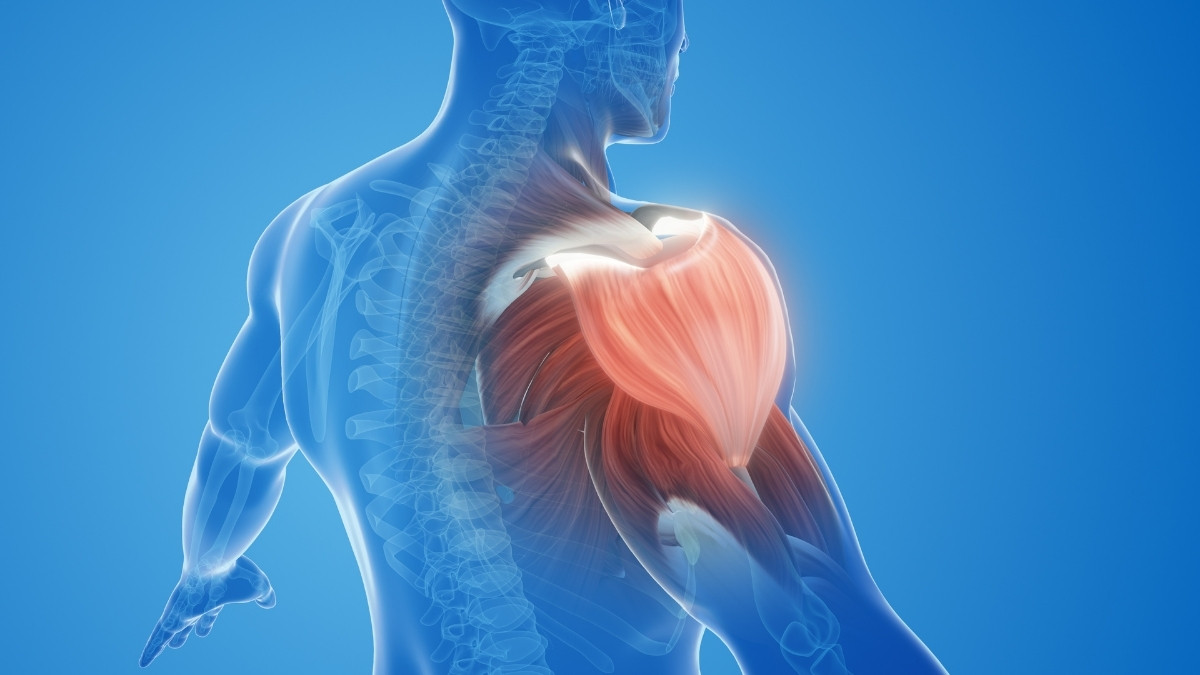
Your muscles start to change around age 30. That’s when muscle mass peaks. After that, you lose 3% to 8% every decade. The decline speeds up after 60.
Here’s the pattern researchers found. Strength drops about 1% each year after you hit 50. For women, this accelerates after 65. For men, it’s after 70. Right now, 30% of adults over 70 struggle with basic tasks like climbing stairs or getting out of a chair.
But here’s what most people don’t know. Age isn’t the main problem. Inactivity is.
Scientists studied muscle tissue from 197 people. They found something surprising. Resistance training reversed aging changes in muscle fibers. Even in people who started after 70.
The difference matters. Your chronological age is just a number. Your biological muscle age depends on how you use them. Active 70-year-olds can have muscles that work like they’re 50.

Another study split older adults into two groups. One was 65-75 years old. The other was 85 and up. Both groups did a 12-week training program. Both gained similar amounts of muscle mass.
Your muscles can still respond. They can still grow stronger. But here’s what actually reverses this process.
Why Heavy Resistance Training Outperforms Traditional Senior Workouts

Most senior fitness classes use light weights. You do lots of reps with 5-pound dumbbells. It feels safe. But it doesn’t build much strength.
Research shows a different approach works better. Heavy resistance training uses weights at 80-90% of your maximum. That sounds scary. But it’s safer than you think when done right.
Here’s how it works. You lift heavy weight for just 3-5 reps per set. Do 3-5 sets total. The key is technique. Lower the weight slowly over 2-3 seconds. Pause at the bottom. Then push up fast with explosive power.
Heavy Resistance
Forces the nervous system to fire more muscle fibers at once (Neural Adaptation).
Training 2-3 days per week at this intensity creates real muscle adaptation. Your nervous system learns to fire more muscle fibers at once. That’s why strength gains happen fast.
Compare this to typical programs. Light weights at 60-70% intensity build some endurance. But they don’t trigger the same neural changes. Heavy loads at 85-90% force your body to adapt differently. Your muscles get stronger faster.
The difference shows up in real life. Heavy training helps you stand up from chairs easier. You carry groceries without strain. You catch yourself if you trip.
How Much Protein Do 70-Year-Olds Actually Need?

You need more protein now than you did at 30. Most seniors don’t get enough. In fact, 46% of people over 50 fall short of daily protein recommendations.
Here’s the number that matters. Eat 1.2 to 1.6 grams of protein per kilogram of body weight each day. If you weigh 165 pounds, that’s 90-120 grams daily.
But here’s what makes the difference. Spread it across meals. Aim for 30 grams at breakfast, lunch, and dinner. Your body can only process so much protein at once. Three solid doses work better than one big meal.
What does 30 grams look like? Two eggs give you 12 grams. Add 6 ounces of Greek yogurt for another 18 grams. That’s one meal done. For lunch, eat a palm-sized portion of chicken. That’s 3-4 ounces, about 25 grams of protein.
Whey protein works best for building muscle in older adults. It beats plant proteins and casein for muscle protein synthesis. Mix a scoop into your morning smoothie if whole foods aren’t enough.
Calculate your needs based on your weight. Then plan each meal around a solid protein source. Your muscles need this fuel to grow stronger.
Your Week-by-Week Training Plan

Train 2-3 times per week. Never on back-to-back days. Your muscles need at least 24 hours between sessions to recover and grow stronger.
Each workout takes 30-45 minutes. You’ll do 4-5 exercises per session. Focus on major muscle groups like legs, chest, back, and shoulders.
The Ascension Protocol
Weeks 1-4: Build Your Foundation Start with bodyweight or light weights. Do 3 sets of 10-12 reps per exercise. Rest 90 seconds between sets. Master the movement patterns first. Squats, push-ups, rows, and overhead presses form your base.
Weeks 5-8: Add Weight Increase resistance to 70-75% of your max. Drop to 8-10 reps per set. Rest 2 minutes between sets. Your muscles should feel challenged by the last 2 reps.
Weeks 9-12: Go Heavy Now you’re ready for 80-85% intensity. Do 4-5 reps per set. Push 4 sets per exercise. Rest 3 minutes between sets. This is where real strength gains happen.
Studies show this approach works for 70-year-old men and women. The key is progressive resistance. Add weight slowly each week. Your body adapts when you give it time to recover.
Three Supplements That Enhance Results

You don’t need a cabinet full of pills. Just three nutritional supplements have solid research behind them for older adults.
Creatine Works A 2024 analysis of multiple studies confirmed it. Creatine supplementation combined with training significantly boosts muscle strength in older adults. Take 3-5 grams daily. Mix it with water or your protein shake. Timing doesn’t matter much. Just take it consistently.
Vitamin D Builds Better Muscle Vitamin D increases type II muscle fibers. These are your power fibers. They help you move quickly and lift heavy things. Get your blood levels checked first. Most doctors recommend 1,000-2,000 IU daily, but your needs depend on your current levels.
Safety Matters Don’t overdo protein. Anything over 150 grams daily for a 165-pound person can cause problems. It strains your kidneys and causes dehydration. Stick to the 1.2-1.6 grams per kilogram guideline.
Start with creatine if you pick just one supplement. It has the strongest evidence for muscle strength gains. Add vitamin D if your doctor finds you’re low. Skip everything else unless you have a specific deficiency.
Your First 30 Days: A Practical Roadmap

Talk to your doctor before you start. Get medical clearance. This matters if you have heart problems, joint issues, or take medications that affect balance.
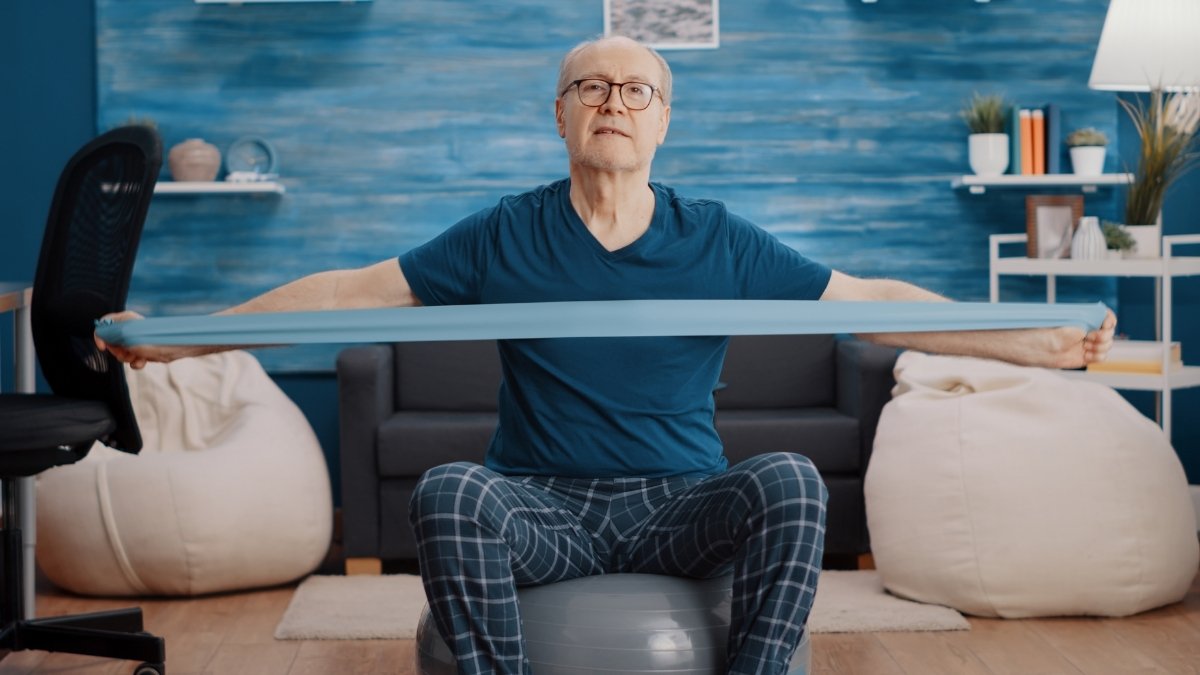
Day 1: Keep It Simple Start with bodyweight movements only. Do chair squats, wall push-ups, and standing rows with a resistance band. Perform 2 sets of 8 reps each. Rest 2 minutes between sets. Focus on proper form, not speed.
Week 1: Build the Habit Train Monday, Wednesday, Friday. Do the same exercises. Add one more set. Now you’re doing 3 sets of 10 reps. If 10 feels easy, go to 15 reps.
Week 4: Time to Add Weight Can you do 3 sets of 15 reps without struggling? Add light dumbbells or resistance bands. Start with 5-10 pounds. Drop back to 10 reps per set.
Good Signs: You feel stronger. Daily tasks get easier. You sleep better. Muscles feel tired after workouts but recover by next session.
Problem Signs: Sharp pain during exercise. Joints hurt for days. You feel exhausted all week. Dizziness or chest pressure.
Final Thoughts:
You’re not too late. Being 70 or older doesn’t mean weak muscles are your future. The research proves your body can still build serious strength.
Here’s what works. Train with heavy weights at 80-90% intensity. Eat 1.2-1.6 grams of protein per kilogram of your body weight every day. Spread that protein across three meals. Work out 2-3 times per week with rest days in between.

Add creatine and vitamin D if you want extra results. Both have solid science backing them up.
Take action this week. Call your doctor and schedule a check-up. Start with bodyweight exercises tomorrow. Mark Monday, Wednesday, and Friday on your calendar for training days. Calculate how much protein you need and plan your meals.
Resistance training for older adults over 70 isn’t just about adding years to life. It’s about adding life to years. The research is clear: your muscles can respond like they’re decades younger.