

At 58, I was doing everything “right” for my health—or so I thought—until my doctor told me I was slowly destroying my body with the very routines I believed were keeping me alive.
You might be making the same longevity mistakes I did. The wellness industry pushes extreme habits that seem healthy but actually cause chronic stress, inflammation, and faster aging. These wellness routines that backfire are everywhere—from your morning routine to your evening supplements.
I’ll show you 9 common healthy habits destroying longevity, backed by real science. You’ll learn about the reverse J-curve effect, where more effort actually gives you worse results. Most importantly, you’ll discover how to fix each harmful habit without health perfectionism taking over your life.
Habit #1 – Overexercising Without Rest Days (The “No Pain, No Gain” Trap)
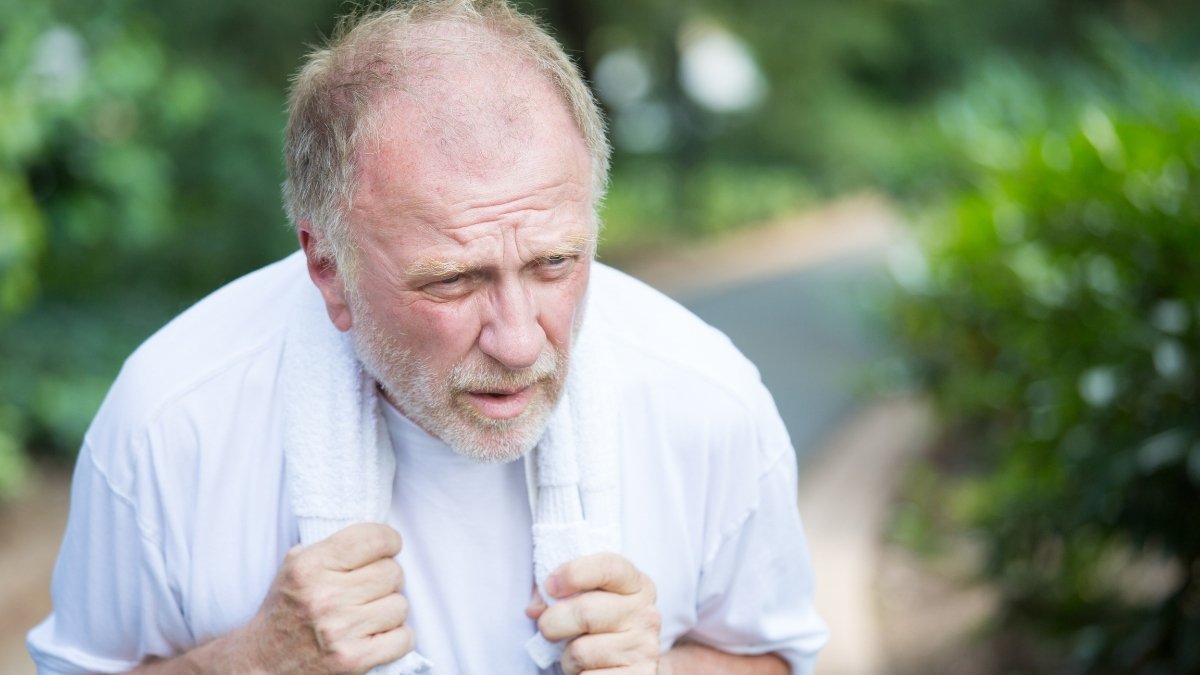
I was proud of my routine. Running 50 miles a week. High-intensity workouts six days straight. Only weak people took rest days, right? Wrong. Dead wrong.
Overexercising damage is real, and I learned this the hard way. My knees started hurting. My sleep got worse. I felt exhausted all the time. When I finally stopped to heal an injury, I needed three months off. If I’d just taken rest days from the start, I would’ve needed zero months off.
Here’s what the research shows. The World Health Organization says 150-300 minutes of moderate exercise per week is the exercise sweet spot for longevity. That’s just 20-45 minutes daily. More intense workouts? They don’t add extra years to your life.
The numbers get scary. Studies found that 12% of veteran endurance athletes have heart scarring. Compare that to 1.5% in regular people. Ultra-marathons and extreme endurance sports can cause irregular heartbeat, artery problems, and heart tissue damage. Your heart is a muscle. You can wear it out.
Your muscles need rest days to repair and grow. No rest means no gains. It’s that simple. Plus, athletes who play social sports like tennis and golf actually live longer than solo endurance athletes. Connection matters more than crushing yourself alone.
What I Changed:
- Cut back to 150-250 minutes of moderate exercise weekly
- Added three full rest days (no negotiating with myself)
- Joined a tennis league for social activity and fun
- Started tracking my heart rate variability to know when I needed recovery
- Learned that feeling tired means rest, not push harder
Habit #2 – Extreme Calorie Restriction (Starving for Longevity)
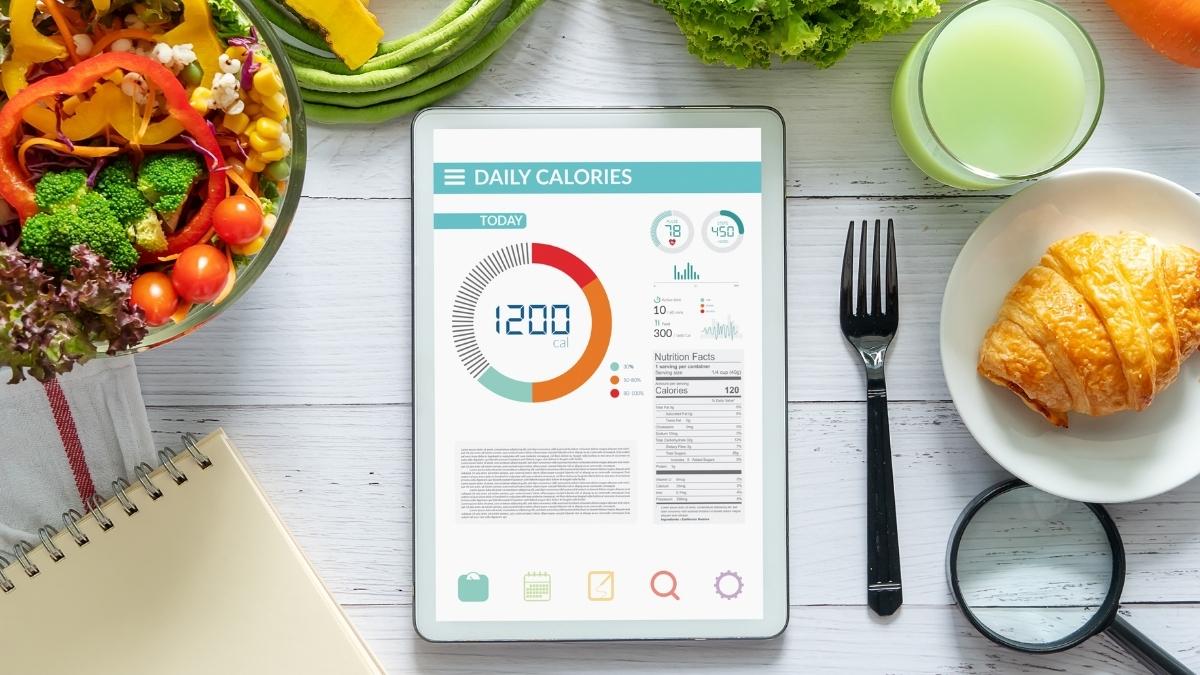
I read about calorie restriction longevity studies and got obsessed. If eating less helped lab animals live longer, I’d eat way less. I dropped to 1,200 calories daily. I was always hungry, cold, and miserable.
Here’s what the science actually shows. Mice on restricted diets did live longer, but only the ones who maintained their weight despite eating less. The mice who lost the most weight? They had weak immune systems and died earlier. Resilience matters more than weight loss.
The restrictive dieting dangers are real. Your metabolism slows down. You lose muscle. Your immune system weakens. The famous Minnesota Starvation Experiment proved this. Men on a 45% calorie cut developed anemia, muscle wasting, weakness, and severe depression.
Extreme restriction causes metabolic damage that lasts for years. Your body thinks you’re starving, so it holds onto every calorie. You end up tired, weak, and stuck. Moderate calorie reduction works better. Studies show a 12% cut gives benefits without the damage.
What I Changed:
- Increased to a moderate 12% calorie reduction instead of extreme restriction
- Focused on eating enough protein to maintain muscle mass
- Stopped weighing myself daily and tracked energy levels instead
- Switched to 16:8 intermittent fasting rather than chronic low-calorie eating
- Made sure I felt satisfied after meals, not constantly hungry
Habit #3 – Chronic Sleep Deprivation (The “I’ll Sleep When I’m Dead” Mentality)
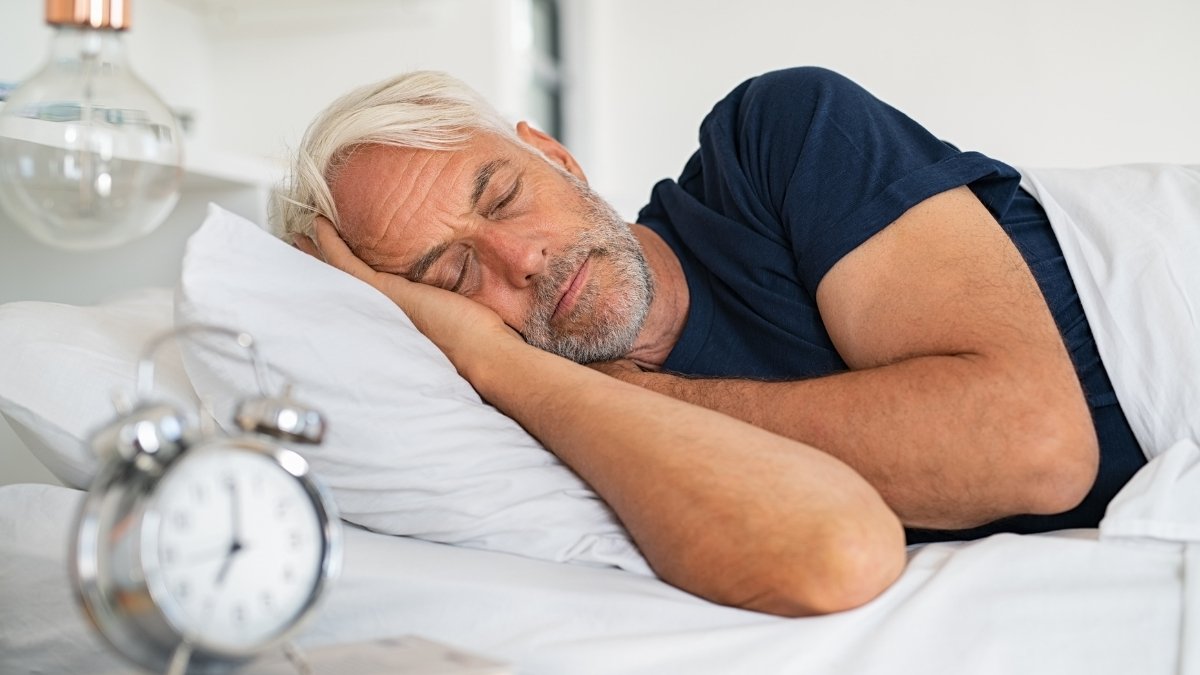
I wore my 5-hour sleep schedule like a badge of honor. Successful people don’t need sleep, right? I was so wrong it almost killed me.
Sleep deprivation mortality rates are shocking. Insufficient sleep is the second strongest predictor of shorter life expectancy. Only smoking is worse. Think about that. Skipping sleep is nearly as deadly as cigarettes.
The numbers don’t lie. Sleeping less than 7 hours per night increases your death risk by 14%. But sleeping too much is worse. Nine or more hours raises mortality risk by 34%. The optimal sleep duration is 7-9 hours.
Here’s what surprised me most. Sleep quality longevity research shows that regular sleep matters more than perfect sleep. Going to bed at the same time beats getting “perfect” sleep occasionally. Sleep regularity is a stronger predictor of how long you’ll live than sleep duration itself.
New research proves sleep beats diet, exercise, and social connection for life expectancy. Only smoking matters more.
What I Changed:
- Set a strict 10:30 PM bedtime and 6:30 AM wake time every day
- Stopped checking email or scrolling phone after 9 PM
- Made my bedroom completely dark with blackout curtains
- Kept my room at 67°F for better sleep quality
- Tracked my sleep consistency, not just hours slept
Habit #4 – Supplement Overload (Expensive Urine and Organ Damage)
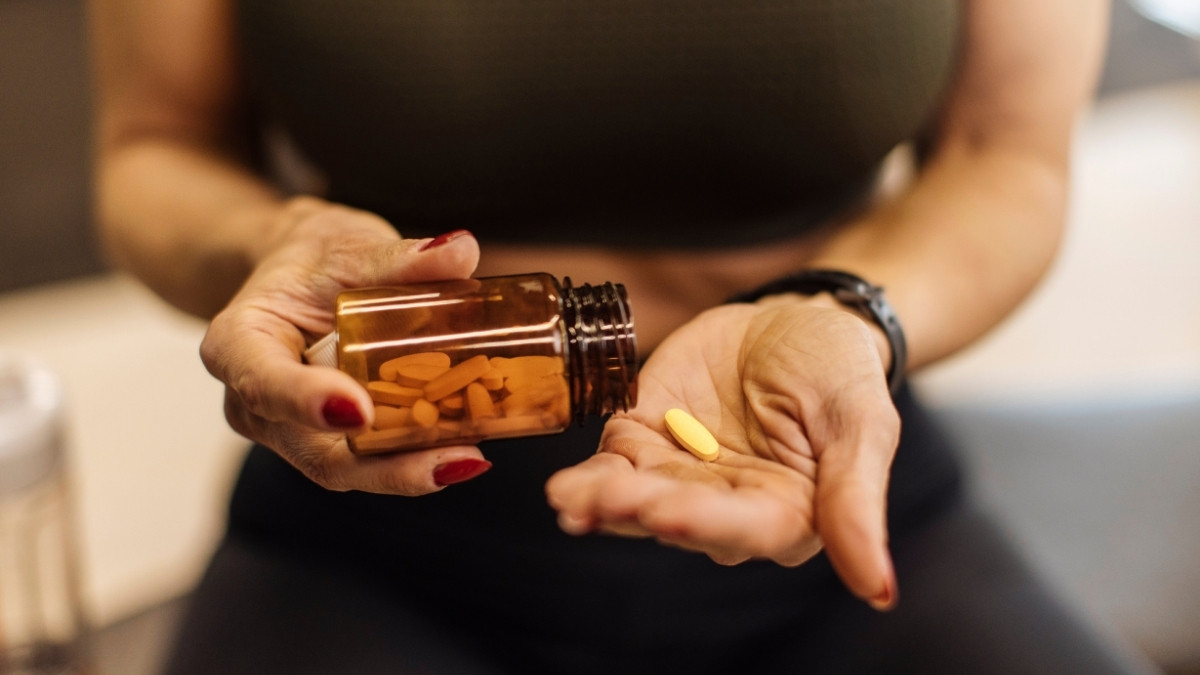
I had a cabinet full of supplements. Thirty bottles. I took 15 pills every morning. I thought more supplements meant better health. Instead, I was poisoning myself.
Nearly 60% of adults take supplements, and many take four or more daily. I was one of them. The supplement industry has zero FDA pre-market regulation. Companies can sell you anything without proving it works or is safe.
Here’s the scary part. Fifteen million Americans take supplements toxic to their liver. Turmeric, ashwagandha, green tea extract, and garcinia cambogia all cause liver damage. I was taking three of these. Supplement dangers are real, and vitamin toxicity happens faster than you think.
Too much vitamin B6 damages your nerves permanently. High omega-3 doses cause irregular heartbeat. Excess vitamin A destroys your liver. Too much vitamin D increases fracture risk. Research shows supplement overuse may even increase cancer risk.
What I Changed:
- Stopped all supplements for 30 days to reset my system
- Got blood work to test for actual deficiencies (only had low vitamin D)
- Now only take vitamin D3 prescribed by my doctor
- Started eating nutrient-dense whole foods instead of pills
- Avoided anything with “proprietary blends” listed on labels
Habit #5 – Detox and Cleanse Obsession (Stressing Your Organs)
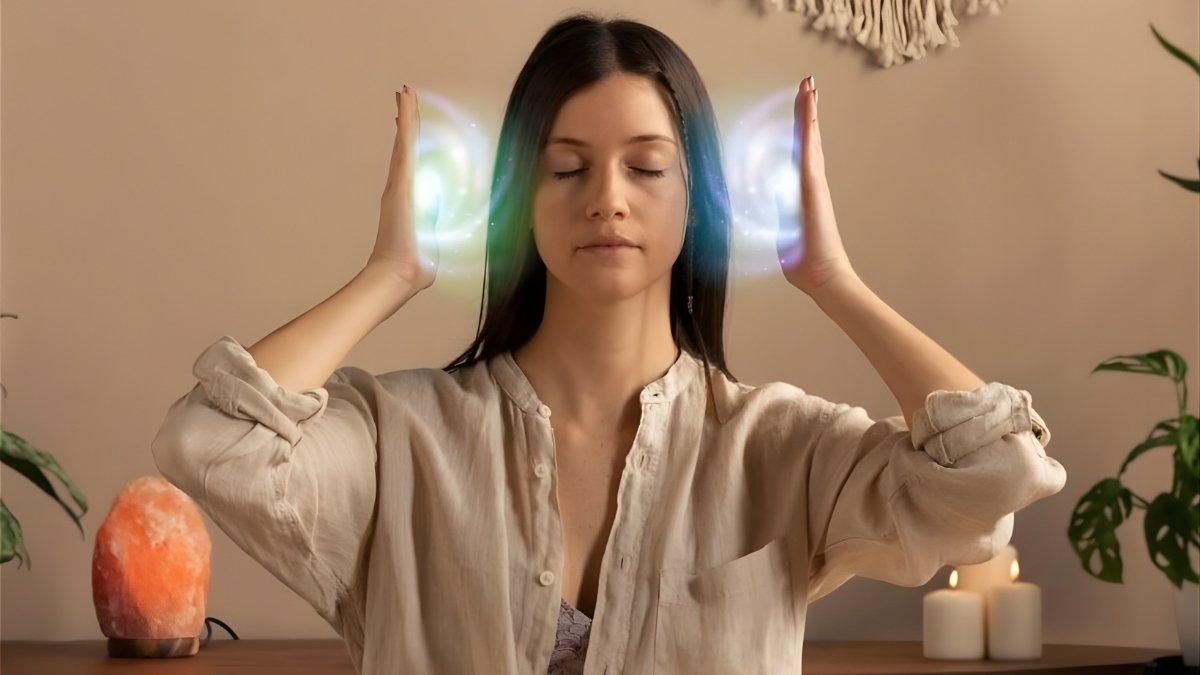
I kept buying detox teas and juice cleanses because I felt tired and bloated all the time. I thought toxins were building up inside me. That fear stayed in my head, especially at night, and made me believe I needed a reset to feel normal again.
Detox marketing runs on cleanse myths. It tells you your body is dirty and needs fixing. But your body already knows how to clean itself. The liver, kidneys, gut, lymph system, and skin detox you every day when you support them with basic habits, according to HuffPost.
Juice and colon cleanses create real detox dangers. They spike blood sugar, remove fiber, and drain nutrients and electrolytes. This puts stress on the liver and damages the gut lining, HuffPost reports. BuzzFeed also confirms there is no evidence that a healthy liver or colon needs detoxing, while risks include malnutrition and disrupted gut bacteria.
Natural detoxification is simple and calm. Water supports kidney function. Fiber helps waste leave the body. Magnesium and probiotics support digestion without harm.
What I Changed:
- Stopped all detox teas and cleanses
- Increased daily water intake
- Ate more fiber-rich foods
- Added magnesium and probiotic foods
- Avoided products labeled “detox” or “cleanse”
Habit #6 – Health Perfectionism and Orthorexia (When “Clean Eating” Becomes Toxic)
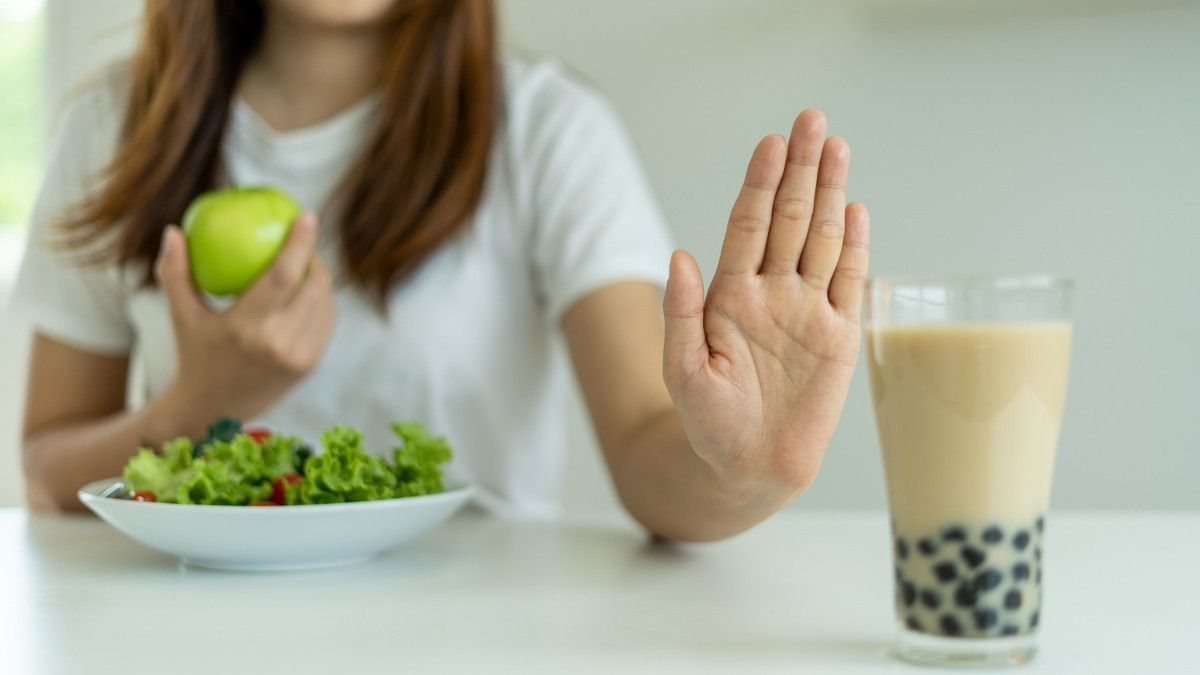
You try to eat perfectly every single day. One “wrong” meal creates guilt and stress. Instead of feeling healthy, you feel controlled by food and rules.
This pattern is called orthorexia. It is a clean eating obsession driven by health perfectionism. Research shows orthorexia rates range from 6% to 75% in certain groups, according to RejuveAI.
Perfectionism does real harm. A meta-analysis of 284 studies linked perfectionistic traits with depression, anxiety, eating disorders, OCD, and self-harm, reports ImagineHealth. Over 70% of suicide victims held extreme self-imposed standards, showing how dangerous this mindset can be.
Even “healthy” orthorexia increases stress. PubMed found higher anxiety, depression, and psychological distress in people obsessed with clean eating. Chronic stress raises inflammation, which damages the heart, brain, and immune system.
The fix is flexibility. A 7/10 diet you can sustain for life is safer than a 10/10 diet you quit after months, says RejuveAI.
What I Changed:
- Allowed flexible meals without guilt
- Stopped labeling foods as “good” or “bad”
- Focused on progress, not perfection
- Practiced self-compassion daily
- Chose consistency over control
Habit #7 – Ignoring Body Signals (Pushing Through Pain)
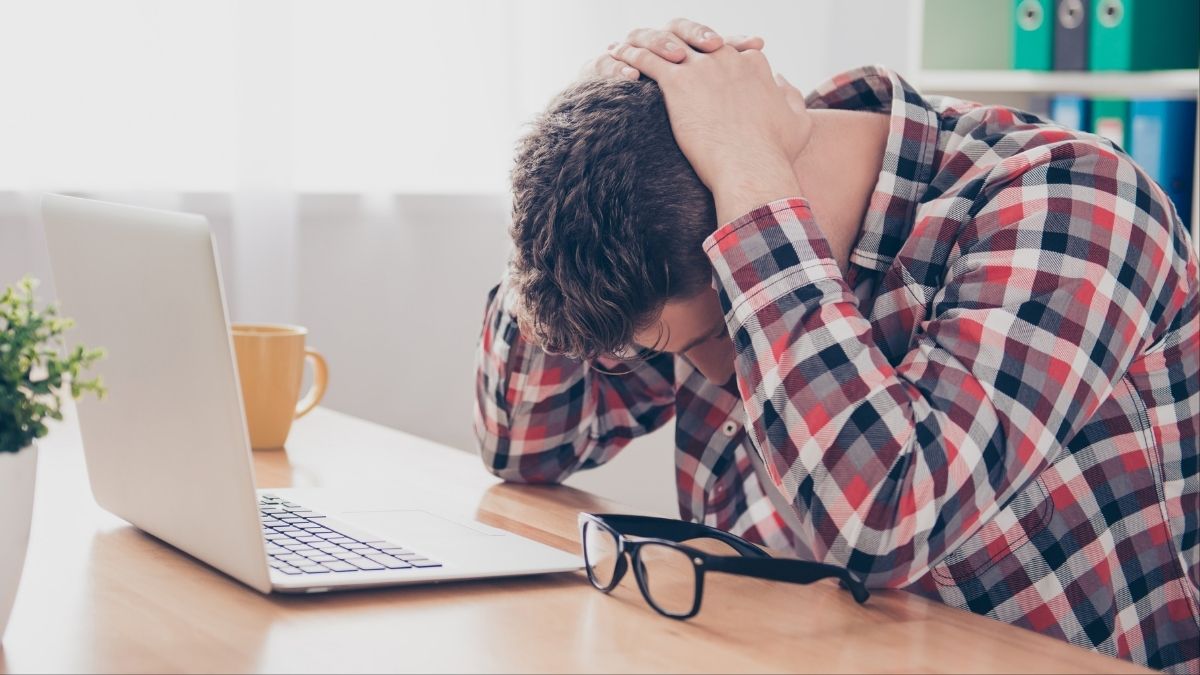
You feel tired, sore, or drained. But you tell yourself to push harder. Many people believe “no pain, no gain” is the key to health. This mindset often shortens your healthspan. Your body sends warning signals for a reason. Pain, deep fatigue, and poor sleep are not weakness. They are alarms.
Ignoring these signals raises stress hormones and slows recovery. Over time, this lowers stress resilience. Research from The Jackson Laboratory shows that people who maintain body weight during stress tend to live longer. That means their bodies handle stress better instead of breaking down.
Pushing through real pain often leads to injuries, burnout, and long recovery periods. Smart longevity is knowing when to push and when to rest. Discomfort from effort is normal. Sharp pain and lasting exhaustion are not.
Listening to your body protects long-term energy, hormones, and immune health. Recovery is not lost time. It is how your body rebuilds and stays strong.
What I Changed:
- Learned the difference between soreness and pain
- Tracked sleep, mood, and energy levels
- Took rest days without guilt
- Stopped training through deep fatigue
- Built strength with recovery, not force
Habit #8 – Skipping Breakfast and Extreme Fasting (The IF Trap)
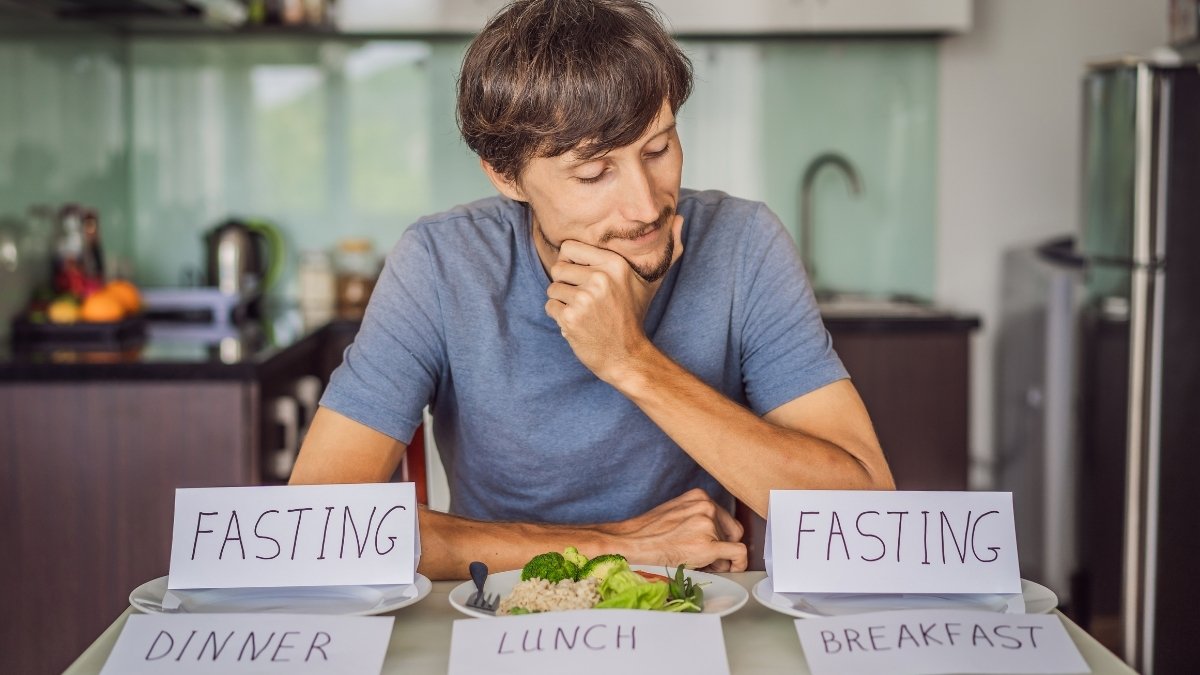
Intermittent fasting can help some people. But extreme fasting often backfires. Skipping breakfast every day or pushing long fasts can drain energy and disrupt hormones. This is where many people get stuck.
Your body adapts to stress. When food is too limited, metabolism slows. Muscle loss increases. Hunger hormones rise. In women, extreme fasting can disrupt menstrual cycles, sleep, and mood. That is not longevity.
Moderate fasting works differently. A simple overnight fast supports insulin control without stressing the body. But combining fasting with heavy workouts or low calories adds strain. Everyone responds differently. What works for one person may harm another.
Meal timing should support your life, not control it. If fasting leaves you tired, cold, irritable, or obsessed with food, it is doing harm.
Longevity comes from balance, not extremes.
What I Changed:
- Used gentle 12–14 hour fasts
- Ate breakfast when hunger was strong
- Avoided fasting during high stress
- Stopped pairing fasting with low calories
- Chose steady energy over strict rules
Habit #9 – Following Every New Health Trend (Wellness Whiplash)

You see a new health trend every week. Social media promises quick fixes and better health. Most of it is noise. Experts warn that much online advice is wrong or harmful. This creates stress and confusion instead of results.
Trends like mouth taping, beef tallow on the face, or “Oatzempic” sound smart but lack proof. Prevention reports that mouth taping does not improve sleep or breathing for most people and can be risky for those with sleep apnea.
“Oatzempic” has zero research showing weight loss benefits. Rutgers researchers also warn that many trends come from non-medical voices, spreading wellness misinformation.
Chasing every trend keeps your body in a constant state of change. That stress hurts sleep, hormones, and focus. Your body is unique. What helps someone else may hurt you. Real evidence-based health is boring, steady, and repeatable. That’s what lasts in health trends 2025 and beyond.
What I Changed:
- Checked sources before trying anything new
- Ignored trends without real studies
- Asked my doctor first
- Stuck to simple habits that work
- Chose calm consistency over constant upgrades
At the Last,
True longevity does not come from extremes. It comes from steady, moderate habits you can live with. The reverse J-curve shows that too much “healthy” behavior often causes harm. Health perfectionism adds stress that cancels benefits. Listen to your body, not social media.

Start with one habit correction this week. Choose the one creating the most stress and dial it back 20%. Your future self will thank you.
The healthiest habit of all? Giving yourself permission to be imperfect while pursuing longevity.