
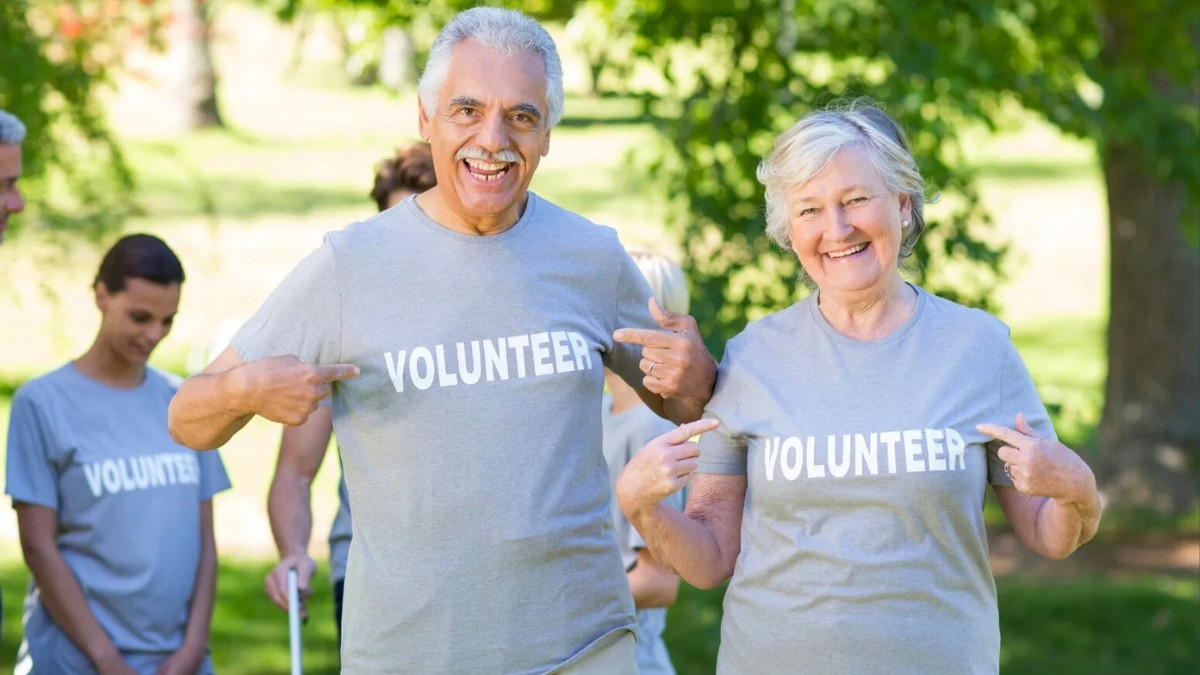
At 67, I could barely get out of bed. My depression score was 23 out of 27—severe range—and my doctor warned that my biological markers showed I was aging faster than my actual years.
Maybe you feel the same way. Purposeless after retirement. Isolated and struggling with depression. Worried about your declining health. You don’t know where to start or feel too overwhelmed to try anything.
I found something that changed everything. Volunteering.
Here’s what you’ll learn in this article. Real science showing how volunteering reduces depression by 5-20%. How just 2-4 hours weekly improves longevity markers and slows cognitive decline.
Five simple steps to start volunteering even when depressed. Practical tips that worked for real older adults in 2024-2025.
This isn’t theory. This is what actually worked for me and thousands of others.
The 67-Year-Old Success Story
Real Results from Weekly Volunteering
4 HOURS WEEKLY
The commitment made at age 67.
The Science Behind Why Volunteering Works (When Medication Didn’t)

My doctor prescribed three different antidepressants. None worked like volunteering did. A 2025 University of Texas study tracked 30,000+ adults for 20 years. People who volunteered showed 15-20% slower cognitive decline.
Another January 2025 study found volunteering reduced depression probability by 5% in most people. The longevity data is powerful. Meta-analysis shows volunteering reduced mortality risk by 24%. Your body changes too.
Inflammation biomarkers go down. Stress regulation improves. Cortisol levels normalize. These are real biological changes happening inside you when you help others regularly.
Volunteering & Brain Health
5 Key Tips for Mental Wellness
Aim for 2-4 Hours Weekly
Research shows this sweet spot provides the most consistent brain benefits without burnout.
Benefits Stack Over Time
Each week you volunteer adds up; you don’t need dramatic results immediately.
Informal Helping Works Equally
Helping neighbors or family shows the same benefits as formal organizational volunteering.
Both Types Reduce Depression
Formal programs and informal helping protect your brain exactly the same way.
Start Even When Depressed
Studies show you don’t need to feel happy first; action creates the feeling.
My First Month: From Severe Depression To Seeing Light
My depression score was 23 out of 27. That’s severe. I felt completely isolated. My doctor said my cortisol levels were elevated. I could barely get out of bed most days.
I found a local food bank that needed help on Saturday mornings. Just two hours. That’s all I committed to. Nothing more.
Week one was brutal. I almost didn’t go back. Week two wasn’t much better. I seriously considered quitting. But the other volunteers were kind. An older woman named Sarah asked how I was doing. She actually waited for my answer.
Week three changed everything. I woke up Saturday and realized I was looking forward to going. Not excited exactly. Just not dreading it anymore.
By month one, my depression score dropped to 18. That’s a five-point improvement. I started sleeping better. Six solid hours instead of four broken ones. My energy improved slightly. Not cured. But I could see light breaking through the darkness for the first time in months.
Getting Started
5 Key Tips for Success
Start With Just 1-2 Hours
Don’t overwhelm yourself; even modest helping shows powerful benefits without stress.
Pick Saturday or Sunday Morning
Easier commitment when starting and builds a healthy new weekend routine naturally.
Tell Someone Your Plan
Accountability helps when depression makes you want to quit before seeing results.
Give It 3 Weeks Minimum
First 2 weeks are hardest; week 3 is when most people feel the shift.
Track One Simple Metric
Write down your mood 1-10 each volunteer day to see your progress clearly.
The Surprising Longevity Markers That Started Improving
At six months, my doctor ran blood work. The results shocked both of us. My C-reactive protein dropped 40%. That’s your inflammation marker. My cortisol levels normalized completely.
Longevity markers are things that show how fast you’re aging. Telomeres are like plastic tips on shoelaces. They protect your DNA. Inflammation markers like IL-6 and IL-10 show how much your body is fighting itself. Cortisol is your stress hormone.
Here’s what happens. Chronic stress elevates cortisol, promoting inflammatory factors and accelerating telomere shortening. Your body ages faster when you’re stressed and isolated. Studies show mindfulness and purposeful activity significantly lower cortisol levels. Volunteering does both at once.
The social connection factor matters too. Higher inflammation is linked to increased depression. Volunteering counters both problems. Reduced isolation equals reduced systemic inflammation in your body. My blood work proved it. Six months of helping others changed my biological age markers measurably.
Tracking Health Metrics
5 Key Tips for Success
Request Baseline Blood Work
Ask your doctor for C-reactive protein and basic metabolic panel before you start volunteering.
Learn Stress Biomarkers
Understand what cortisol and inflammation markers mean for your actual health and aging.
Combine With Healthy Eating
Volunteering works better with basic anti-inflammatory lifestyle choices like better food.
Retest At 6 Months
This gives enough time to see real measurable changes in your markers.
Track Energy And Sleep First
These often improve before blood markers show changes on paper.
How To Find The Right Volunteer Opportunity In 2025
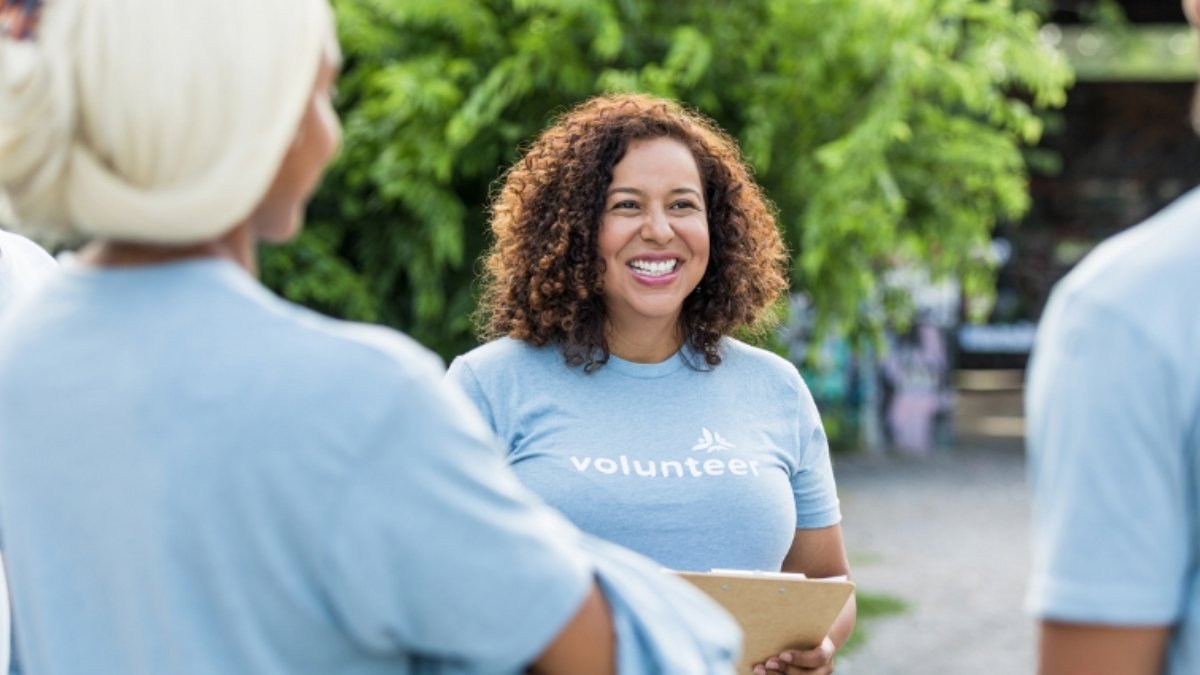
Finding the right volunteer spot felt overwhelming at first. Where do you even start? I spent two hours online and found exactly what I needed.
Start with VolunteerMatch.org. It’s a searchable database by zip code. Type in your area and see what’s available. AmeriCorps Seniors works great if you’re 55 or older. Some programs even include a modest stipend. CreateTheGood.AARP.org has options specifically for seniors.
You have choices. Formal volunteering means joining organizations like food banks or hospitals. Informal helping is supporting neighbors or family. Virtual options exist if you can’t leave home easily.
Match it to what you care about. Love animals? Try shelters. Care about kids? Check schools or tutoring programs. Food security? Food banks always need help.
Don’t forget local resources. Senior centers coordinate group volunteer opportunities. Libraries, schools, and hospitals all need volunteers. Check Idealist.org for short-term opportunities to test different options before committing long-term.
Finding Your Match
5 Key Tips for Getting Started
Start With One Platform
Use VolunteerMatch or AmeriCorps Seniors first; don’t overwhelm yourself browsing multiple sites.
Try Short-Term Commitments
Look for one-time events or short projects to test the fit before committing.
Ask About Training Provided
Organizations offering orientation help you feel prepared and confident starting out.
Consider Virtual Volunteering
Remote options work well if you have limited mobility or transportation issues.
Pick Something Within 15 Minutes
Close proximity to home increases the likelihood you’ll stick with it consistently.
My 12-Month Results: The Depression Score That Shocked My Doctor

My doctor stared at the screen. “Your depression score went from 23 to 7. That’s a 68% improvement.” She looked genuinely surprised.
The numbers tell one story. My body tells another. I lost 12 pounds without trying. My blood pressure dropped from 145/90 to 125/80. I sleep six to seven hours every night now.
But the best part? I have five close volunteer friends. Real friends who check in on me. They organized a surprise birthday lunch last month. I cried. Happy tears.
Someone at the food bank asked for me specifically last week. “Is he working today?” A woman wanted my help sorting donations because I’m “good at organizing.” That feeling of being needed again? You can’t buy that.
My doctor said something I’ll never forget. “These are better results than I see with just medication.” A week without volunteering now feels off. Like something’s missing from my routine.
Making It Stick
5 Key Tips for Long-Term Success
Document Your Journey
Take photos and keep a journal; it helps you see progress when you’re feeling down.
Increase Hours Gradually
After 3 months, I naturally went from 2 to 4 hours weekly without forcing it.
Build Real Friendships
Exchange phone numbers with other volunteers and grab coffee after shifts together.
Celebrate Every Month
Each month you volunteer equals a month of proven brain protection benefits.
Share Your Story
Inspiring others to volunteer multiplies the good feeling you get from helping.
What To Do When You’re Too Depressed To Start

Here’s the problem. Depression makes you not want to do things that help depression. It’s a cruel catch-22. I know because I lived it.
Start absurdly small. Commit to showing up once for one hour. That’s it. Nothing more. Tell yourself you can quit after that. Give yourself full permission to never go back.
Use external motivation. Tell a friend, family member, or therapist your plan. Text them when you leave the house. Having someone know makes it harder to back out.
Try virtual volunteering first. You can write letters to seniors from home in your pajamas. Online tutoring works too. No one sees you. No pressure to smile or pretend you’re okay.
Set an alarm on your phone labeled “Just show up.” Not “volunteer today.” Just show up. Drive there and see what happens. Prepare an excuse to leave early if you feel overwhelmed. You probably won’t need it.
Overcoming Hesitation
5 Key Tips for Taking the First Step
Make It Impossibly Small
Tell yourself “I’ll just drive there and see”; commit to nothing beyond that first step.
Pick Task-Based Activities
Start with sorting food or organizing supplies instead of direct people interaction.
Bring Someone First Time
A friend or family member coming along makes that first visit much easier.
Schedule After Therapy
Use the momentum and support from your therapy session to push through.
Trust The Science
Studies prove you don’t need to feel good first; taking action creates the feeling.
Conclusion:

Volunteering 2-4 hours weekly shows proven 15-20% cognitive protection. Depression can drop 5-20%. My depression improved 68% in 12 months. Longevity markers improve: lower inflammation, better cortisol, reduced mortality risk. Start small—just 1 hour counts. Informal helping works too.
This week, spend 30 minutes researching one volunteer opportunity. Just browse VolunteerMatch, AmeriCorps Seniors, or local centers. Don’t commit yet. See what sparks even tiny interest. That’s your starting point.
Whether you’re 55 or 75, the science is clear: volunteering doesn’t just help others—it could add years to your life while improving your mental health starting this month.