
Harold adjusted his reading glasses and tapped a Korean flashcard on his phone. “The key,” he said with a small smile, “is that I forget slower than I used to learn.”
If you’ve tried to learn a new language and failed, this may sound familiar. You study hard. Then the words disappear in a few days.
Many adult language learners think their age is the problem. You may believe your memory is too weak now. Apps feel confusing. Classes move too fast. Books end up unused. The old idea that adults can’t learn sticks in your head.
This article shows a different path. You’ll learn simple language learning memory techniques used by a 76-year-old learning his fifth language. These methods improve memory retention, use spaced repetition, and fit how adult brains really work.
Key Points
Structure AnalysisThis guide is constructed of Eight Modules. Read each carefully to build your Language & Memory infrastructure step by step.
1. The Morning Routine That Builds Long-Term Memory

You forget new words within days. You study hard, feel confident, then blank out when you need them. It’s frustrating. You wonder if your brain just can’t hold new languages anymore.
Harold had the same problem at 76. Then he discovered something that changed everything.
The Science That Makes Memory Stick

Here’s what research shows: your brain needs to struggle a little to remember. When you review something right before you forget it, you build stronger memory. This is called the forgetting curve, and a German scientist named Hermann Ebbinghaus proved it over 100 years ago.
Recent research from PNAS in 2024 confirms he was right. Spaced learning—reviewing at longer intervals like hours or days—beats studying the same thing over and over in one sitting. Your brain creates different retrieval cues each time. Think of it like building multiple paths to the same destination.
Studies even show spaced repetition helps dementia patients remember information for weeks or months. If it works for them, it works for you.
Harold’s 8:30 AM System
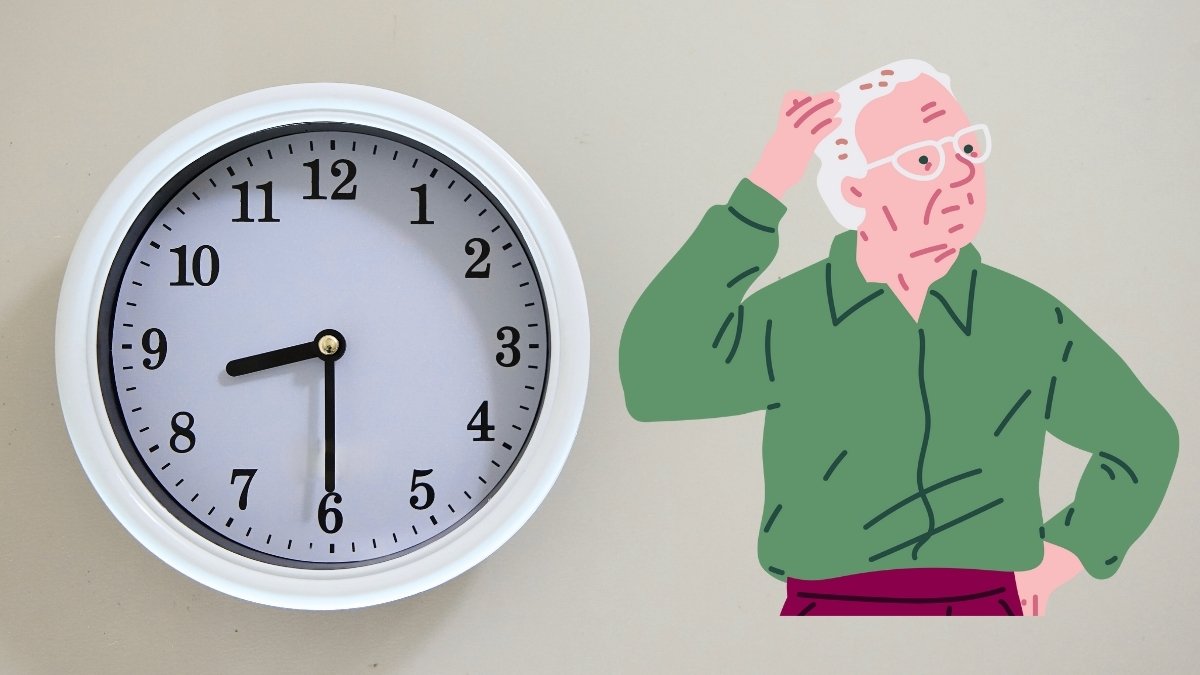
Every morning at 8:30, Harold opens Anki on his laptop. Not random practice. The flashcard algorithm tells him exactly which cards to review today.
He spends 15 minutes. That’s it.
The app uses something called FSRS (Free Spaced Repetition Scheduler). It tracks when you’re about to forget each card. Right before that moment, it shows you the card again. This creates long-term memory retention without wasting time on words you already know cold.
Harold reviews cards on this schedule: 1 day later, then 3 days, then 1 week, then 2 weeks, then 1 month. Each time he remembers, the gap gets longer. Each time he forgets, the gap shrinks.
The spaced repetition system does the thinking for him. He just shows up at 8:30.
Start This Tomorrow Morning
Download Tools
Get Anki (Free Desktop/Android) or try Mochi ($5/mo) for simplicity.
Start Small
Add 5–10 cards/day. Keep them simple: one word/phrase per card.
Trust The Algorithm
No need to track schedules. The system automates your reviews.
Weekly Flow
Mon: Learn new. Tue: Review Mon + new. Wed: Review all + new.
Consistency is King
15 mins daily > 2 hours on weekends. Spaced repetition works at any age.
Daily Routine
Show up at the same time. Let the algorithm do the heavy lifting.
2. How Harold’s Living Room Became His Language Laboratory

Harold transformed his apartment into a powerful learning system using the memory palace technique. Instead of memorizing abstract word lists, he anchored vocabulary to physical locations with sticky notes.
This works because the brain recalls places more easily than isolated information. In his kitchen, food words like “사과” (apple) and “물” (water) are placed directly on the objects he uses daily. Each visit reinforces memory without conscious effort.
How to Apply This Method Yourself

Start with one familiar room, such as your kitchen. Write one word per sticky note, target language on the front and meaning on the back. Place notes on objects you touch every day—coffee maker, fridge, water glass.
As you move through the room, touch each note and say the word aloud. Flip it only if you forget. Change the notes every two weeks to keep your brain challenged. By using time you already spend in that space, vocabulary sticks for months instead of hours.
3. The Daily Study Schedule That Prevents Burnout

Long study sessions drain energy and kill consistency. Harold avoided this by studying 45 minutes a day, split into three short sessions.
This approach removes mental fatigue and makes daily practice feel manageable. Instead of forcing focus for an hour, he builds learning into moments that already exist in his day. The result is steady progress without burnout.
Harold’s Three-Session Learning System

Harold studies 15 minutes in the morning with Anki while drinking coffee, 15 minutes after lunch watching Korean YouTube videos with subtitles, and 15 minutes before dinner practicing conversation.
These short sessions work because the brain handles focused learning best in brief blocks. Spacing allows time for memory consolidation between sessions. While he eats or rests, his brain processes what he just learned.
To use this method, link study times to daily habits, set alarms, and track completion. Fifteen minutes feels easy, which makes consistency—and fluency—possible.
4. How Silly Mental Pictures Cement Vocabulary

New words often fade because the brain treats them as abstract facts. Harold fixes this by turning vocabulary into exaggerated mental images. He creates short, ridiculous “movies” that link a word’s sound to a vivid picture.
This keyword method helps the brain store words through sound and imagery instead of plain definitions. Funny, strange, or emotional visuals are far more memorable than direct translations.
How to Create Your Own Word Movies

Listen closely to how the word sounds. Find a similar-sounding English word, then build a bizarre scene around it. Korean “사과” (apple) becomes a saw cutting an apple. Spanish “perro” (dog) turns into a dog covered in pearls. You can imagine, act out, or draw the scene. The stranger the image, the longer it sticks.
5. Why Harold Never Learns Words Alone

Memorizing isolated words like “happy,” “restaurant,” or “food” often fails because the brain can’t connect them in real conversations. When someone speaks, recall freezes. Harold avoids this by never learning a word on its own. Every new word is used in sentences, which turns vocabulary into usable language instead of loose fragments.
Harold’s Three-Sentence Rule
For each new word, Harold writes three personal sentences using “I” statements. When learning the Korean word for “happy,” he connects it to real moments in his life, such as speaking with a neighbor or calling his daughter. This contextual language learning works because the brain remembers personal stories and emotions better than definitions.
Build Word Clusters That Stick
Harold also learns words in themed groups, like restaurant vocabulary. He links them together in short stories instead of reviewing them separately. These word clusters trigger each other naturally, making recall faster and more reliable.
6. The Five Apps Harold Uses Daily (And Why)

You don’t need many tools. You need the right ones. Harold uses five language learning apps 2025 that save time and reduce stress.
Harold’s Toolbelt
5 Essential Apps for Daily Growth
Anki
The base tool using FSRS spaced repetition. Syncs everywhere.
Language Reactor
Turns YouTube into a classroom with dual subtitles.
iTalki
Book 30-min conversation sessions. Recorded for review.
Forvo
Hear real native speakers. Fixes pronunciation issues.
Google Keep
Holds everything together. Notes, photos, and voice recordings.
Quick App Comparison
- Free: Anki, Language Reactor, Forvo, Google Keep
- Paid: iTalki
- Mobile + Desktop: Anki, Google Keep
- Best for beginners: Anki, Language Reactor
- Best for advanced learners: iTalki, Forvo
7. What Harold Learned About Age and Learning

Many adults hesitate to learn languages, thinking memory fades with age. Harold faced the same doubt at 76, but research proved otherwise. Learning languages actually strengthens the brain, protecting against cognitive decline and improving memory, attention, and mental flexibility. Bilingualism delays memory problems, and motivation matters more than age.
Adult Advantages in Language Learning
Older learners bring life experience, self-knowledge, patience, and context for new words—advantages young learners lack. Harold celebrates small wins, like understanding one sentence in a Korean drama, rather than competing with 20-year-olds.
Overcoming Common Fears
Concerns about memory, mistakes, or slow progress are manageable. Techniques like spaced repetition, sticky notes, and silly mental images compensate for age-related challenges. Mistakes are part of learning, and basic conversation skills can develop in 90 days. By embracing the right methods, age becomes an asset, not a barrier, in language acquisition.
8. How to Begin Your Language Journey Tomorrow

Starting a new language can feel overwhelming, but Harold’s 90-day challenge gives a clear roadmap. The plan breaks learning into manageable steps, building habits and momentum gradually.
Weeks 1–2: Lay the Foundation
Pick a language that interests you. Download Anki and add five simple sentences daily. Place 10 sticky notes in your kitchen. Watch one 15-minute YouTube video with subtitles. These small actions start your routine without stress.
Weeks 3–6: Build the Habit
Increase Anki cards to 10 daily. Add 10 bathroom sticky notes. Book your first iTalki lesson. Create five mnemonic images for tricky words. Habits start to solidify.
Weeks 7–12: Accelerate Learning
Place living room sticky notes, schedule two iTalki sessions weekly, and practice themed sentence stacking. Join supportive communities for encouragement.
Progress milestones: Day 30—introduce yourself confidently; Day 60—hold basic conversations; Day 90—understand simple videos and articles. Small, consistent steps lead to big results.
Final Thoughts:

You may worry that your memory is too weak to learn a new language now. That fear stops many adults before they even try. Harold’s story shows that age is not the problem. The problem is using the wrong methods.
At 76, Harold succeeds because he studies in ways that fit an adult brain. Spaced repetition, memory palaces, short daily sessions, silly images, and sentence stacking help him remember more and forget less. These language learning memory techniques work because they support real memory retention.
Now it’s your turn. Choose one method. Just one. Download Anki, place a sticky note, or watch a 15-minute video today. Start small and stay steady. As Harold says, “I’m not learning despite my age—I’m learning because of it.” These language learning memory techniques work at any age. Start your journey today.