
That steamy, almost-scalding shower might feel like heaven after a long day. But dermatologists say it’s quietly causing hot shower skin damage to your body’s largest organ.
You shower every day. You use moisturizer. Yet your skin still feels dry, itchy, and flaky. Your eczema flares up more often. Within hours of bathing, your skin feels tight and uncomfortable.
The problem isn’t that you’re doing too little for your skin. You’re doing something that actively harms it. Dermatologist warnings about shower temperature have been consistent for years, but most people ignore them.
Here’s what you’ll learn: Why hot water destroys your skin barrier. The exact shower temperature and duration dermatologists recommend. How to fix your shower routine to stop skin irritation. Which products and post-shower habits actually protect your skin.
The solution is simpler than you think. And it starts the next time you step into the shower.
Shower Habit That
Irritates Your Skin.
The Shower Habit Dermatologists Are Warning Against
Picture this: You turn the shower dial as hot as it goes. Steam fills the bathroom. You step under water so hot it almost burns. It feels amazing.
But dermatologists say this habit is destroying your skin.
Hot water above 105°F strips away your skin’s natural oils. These oils protect you from dryness, irritation, and eczema flares. Without them, your skin can’t do its job.
Your skin barrier is like a brick wall. It keeps moisture in and keeps allergens and irritants out. Hot water breaks down this wall. Moisture escapes. Irritants get in. Your skin becomes dry, itchy, and inflamed.
Most people shower once or twice a day. Many take showers lasting 15 to 20 minutes. This compounds the problem. The longer you stay under hot water, the more damage you cause.
Dermatologists recommend water between 98°F and 104°F. That’s lukewarm, not hot. Your shower should last 10 minutes or less. Most people ignore this advice because they don’t realize their water is too hot.
Here’s a simple test: If your skin turns red within the first minute, your water is too hot. If your bathroom mirror fogs up completely in under two minutes, turn the temperature down.
Research from 2022 found that hot water damages the skin barrier more than cold water. This study looked at increased hand-washing during the pandemic. The results were clear: hot water causes more harm.
Over-showering does more than dry out your skin. It can trigger flares of eczema and psoriasis. It alters your skin’s microbiome—the good bacteria that protect you. For people with sensitive skin conditions, hot showers aren’t just bad. They’re actively making things worse.
The bottom line? Your shower temperature matters more than you think.
What Hot Water Actually Does to Your Skin
To understand why dermatologists are so concerned, you need to know what’s happening beneath your skin’s surface.
Your skin barrier is made of dead skin cells. These cells are surrounded by fatty substances called ceramides, cholesterol, and fatty acids. Think of it like a brick wall where the cells are bricks and the fats are mortar holding everything together.
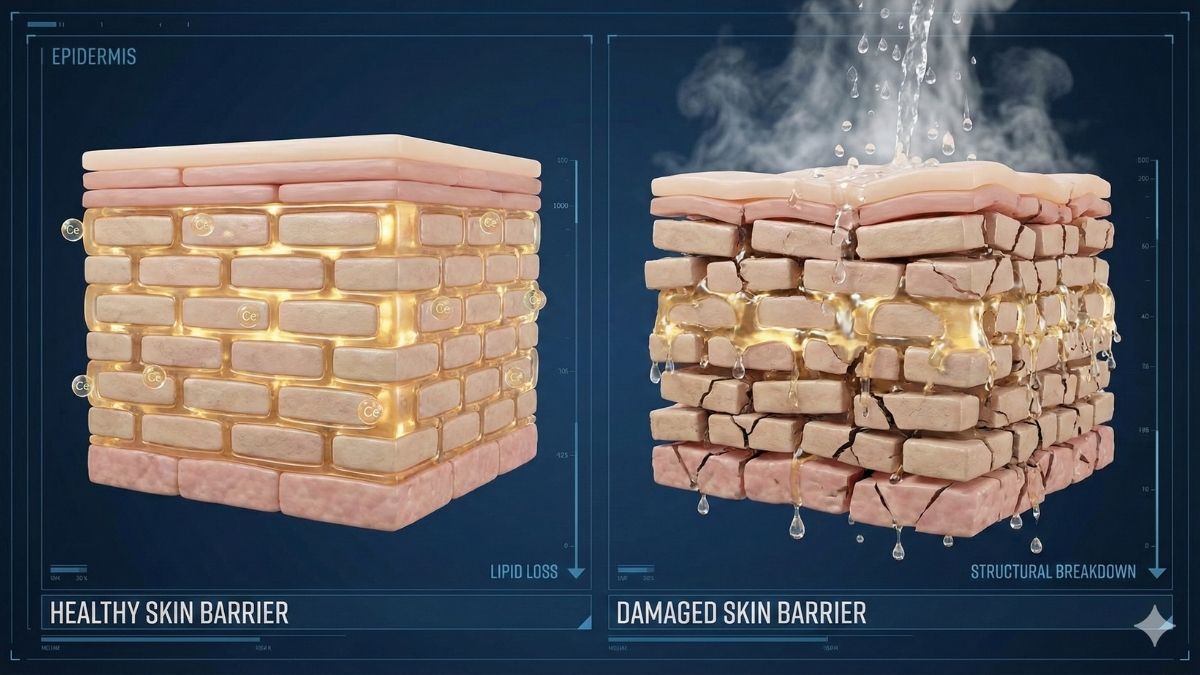
Hot water strips away these protective fats. Without them, your barrier falls apart.
Your skin also has sebaceous glands. These glands produce natural oils called sebum. Sebum keeps your skin hydrated and protects against irritants. Hot water washes this sebum away faster than your body can replace it.
Here’s what makes it worse: Hot water combined with soap creates a double attack. The heat softens your skin. The soap breaks down the oily protective barrier. Together, they strip away your natural defenses.
Hot water also increases blood flow to your skin. This makes your skin more sensitive. It becomes prone to irritation, dryness, and even microscopic cracks you can’t see. These tiny cracks let bacteria and allergens enter.
Many people think water hydrates skin. It doesn’t. Prolonged exposure to water—especially hot water—actually dehydrates your skin. Here’s how: Water temporarily swells your skin cells. When you step out of the shower, that water evaporates. As it evaporates, it pulls your skin’s natural moisture out with it.
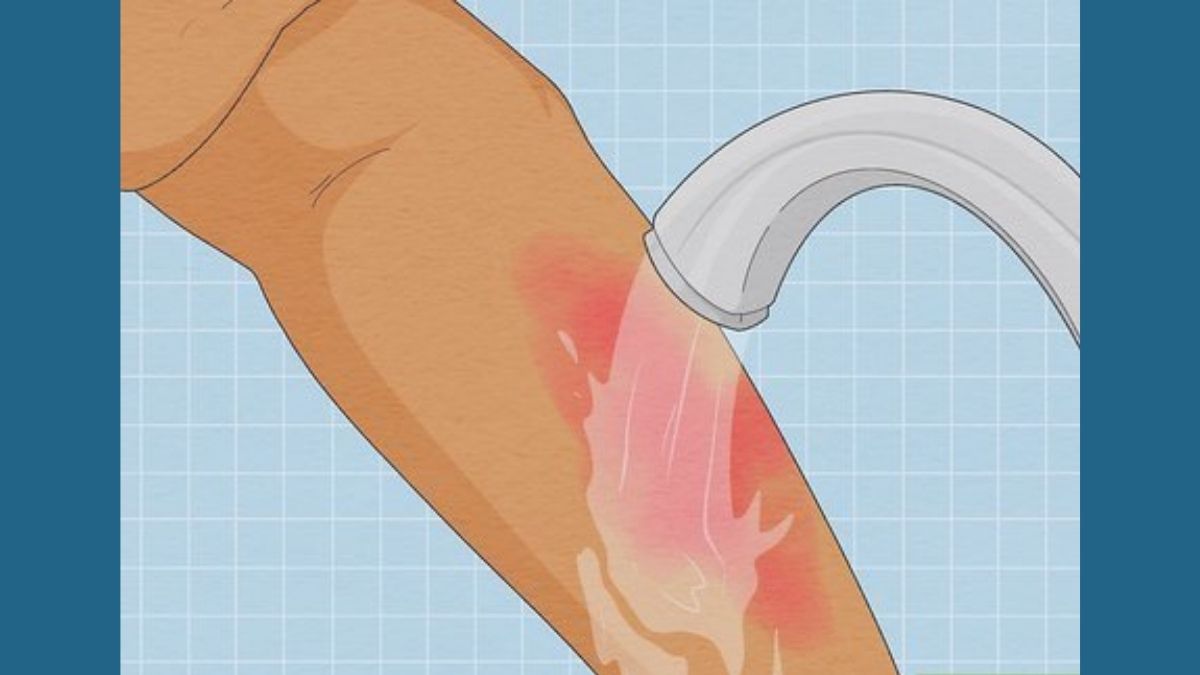
This process is called transepidermal water loss, or TEWL. The hotter your water, the more TEWL occurs. Your skin ends up drier than before you showered.
Hot water also creates a vicious cycle. The heat triggers itching. You scratch. Scratching damages your skin barrier even more. This leads to more dryness, more itching, and more scratching.
This explains why your skin feels tight within minutes of stepping out of a hot shower. You’ve literally stripped away its natural protection.
How Hot Showers
Worsen Skin Conditions
⚠️ The Itch-Relief Trap
Hot water strips natural oils. It feels good momentarily, but creates a rebound effect.
(Temporary Relief)
(Barrier Broken)
(Worse Itch)
The Right Way to Shower for Healthy Skin
Ready for good news? Protecting your skin doesn’t mean giving up showers. It just means showering smarter.
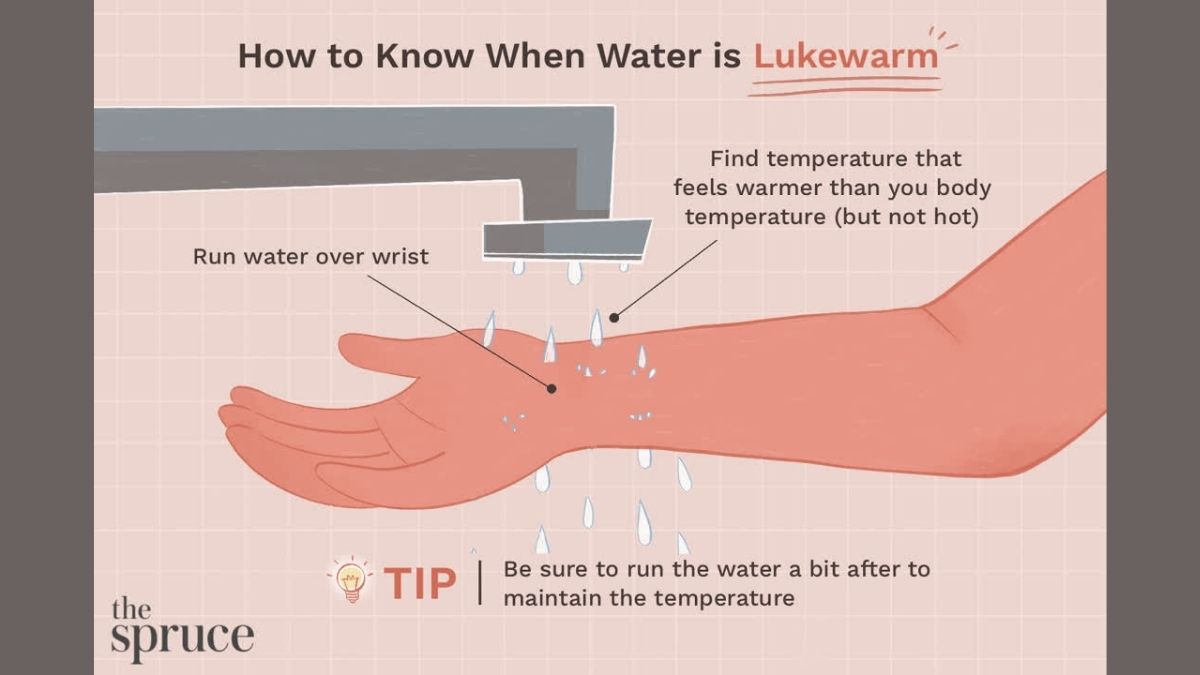
Keep water lukewarm. Set your temperature between 98°F and 104°F. This feels warm but not hot. German dermatologist Dr. Dorothea Sadlo says water should never exceed 100°F to 104°F.
Here’s a simple test: Step into the shower and look at your skin. If it turns red within the first minute, your water is too hot. Turn it down.
🚿 The Shower Rule
Set a Timer
Use your phone! Don’t guess the time.
More Time = Damage
The longer you stay, the more oils you strip away.
Shower less often. Most adults only need to shower once a day. Some people can go every other day without problems. Elderly adults need just one shower every two or three days. Your body doesn’t get that dirty.
Use soap strategically. You don’t need soap on your entire body. Focus on three areas: armpits, groin, and feet. These areas produce more bacteria and odor. The rest of your body can be rinsed with water alone.
Pat yourself dry. Don’t rub your skin with a towel. Rubbing creates friction and causes micro-tears you can’t see. Pat gently instead. Leave your skin slightly damp.
These changes might feel strange for the first few days. But within a week, you’ll notice your skin feels softer and stays moisturized longer.
The Products You Should (and Shouldn’t) Use
The Product Battle
Harsh soaps & chemicals are the enemy!
Even with perfect temperature and timing, the wrong products can still damage your skin barrier.
Choose gentle, fragrance-free cleansers. Look for products labeled as moisturizing or hydrating. The best ones contain ceramides, glycerin, or hyaluronic acid. These ingredients help repair your skin barrier while you clean.
Skip antibacterial soaps. They sound good but they’re not. Antibacterial soaps strip away natural oils and disrupt your skin’s microbiome. Your skin needs good bacteria to stay healthy. Regular soap kills germs just as well.
Avoid harsh fragrances. Fragrances are a leading cause of allergic reactions and skin irritation. If your soap smells like flowers or fruit, it probably contains synthetic fragrances. Choose unscented products instead.
Stay away from these ingredients: Sodium lauryl sulfate makes products foam but strips your skin. Triclosan is an antibacterial agent that disrupts hormones and kills beneficial bacteria. Products with plastic microbeads create micro-tears in your skin.
Ditch the loofah. Loofahs and shower puffs harbor bacteria and mold. They sit in your damp shower growing germs between uses. Then you scrub those germs all over your body. Use your hands or a clean washcloth instead.
Read labels before you buy. Your skin will show the difference within days.
The Critical 3-Minute Window After Your Shower
What you do in the three minutes after you turn off the water matters just as much as what happens during your shower.
Here’s what happens when you step out: Water on your skin starts evaporating immediately. As it evaporates, it pulls your skin’s natural moisture out with it. This leaves your skin even drier than before you showered.
Dermatologists call this the “3-minute rule.” Apply moisturizer within three minutes of getting out of the shower. This locks in moisture before it escapes.
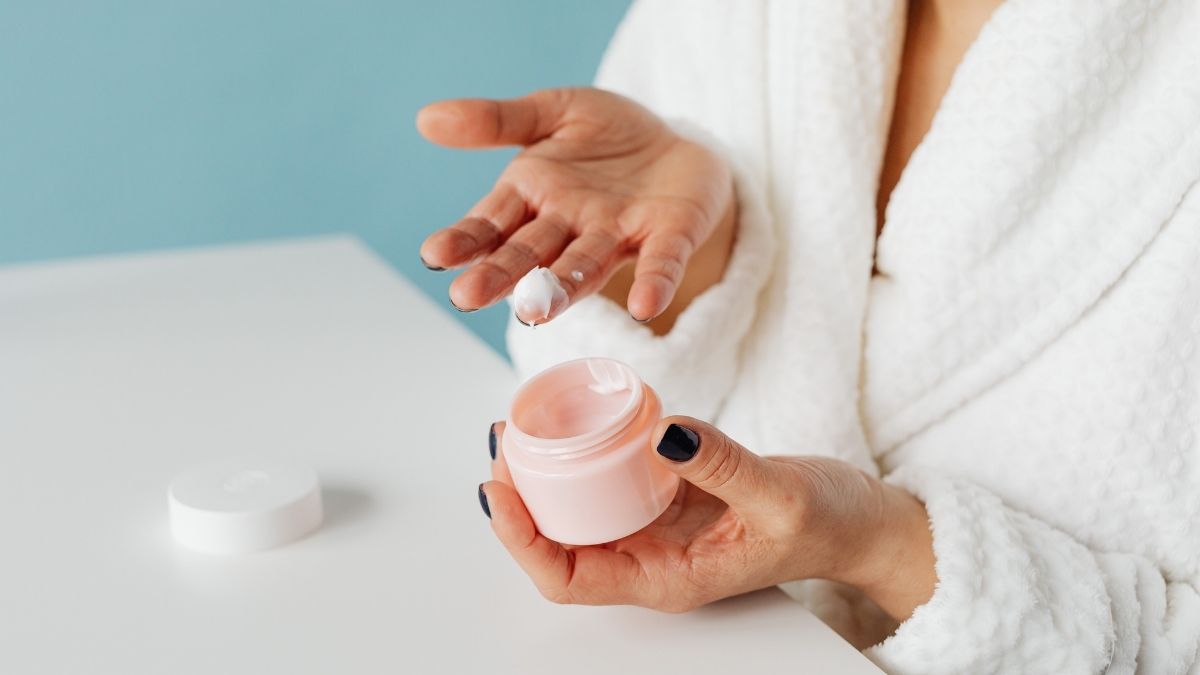
Here’s exactly what to do: Step out of the shower. Pat your skin dry with a towel—don’t rub. Your skin should still feel slightly damp. Immediately apply moisturizer all over your body.
Use cream or ointment, not lotion. Creams and ointments are thicker and seal in more moisture. Lotions contain more water and evaporate faster. Apply while your skin is still damp to trap water in your skin.
Recent studies show you have up to 30 minutes before moisture loss becomes significant. But waiting means your skin stays dry and vulnerable longer. Why risk it? Moisturize immediately.
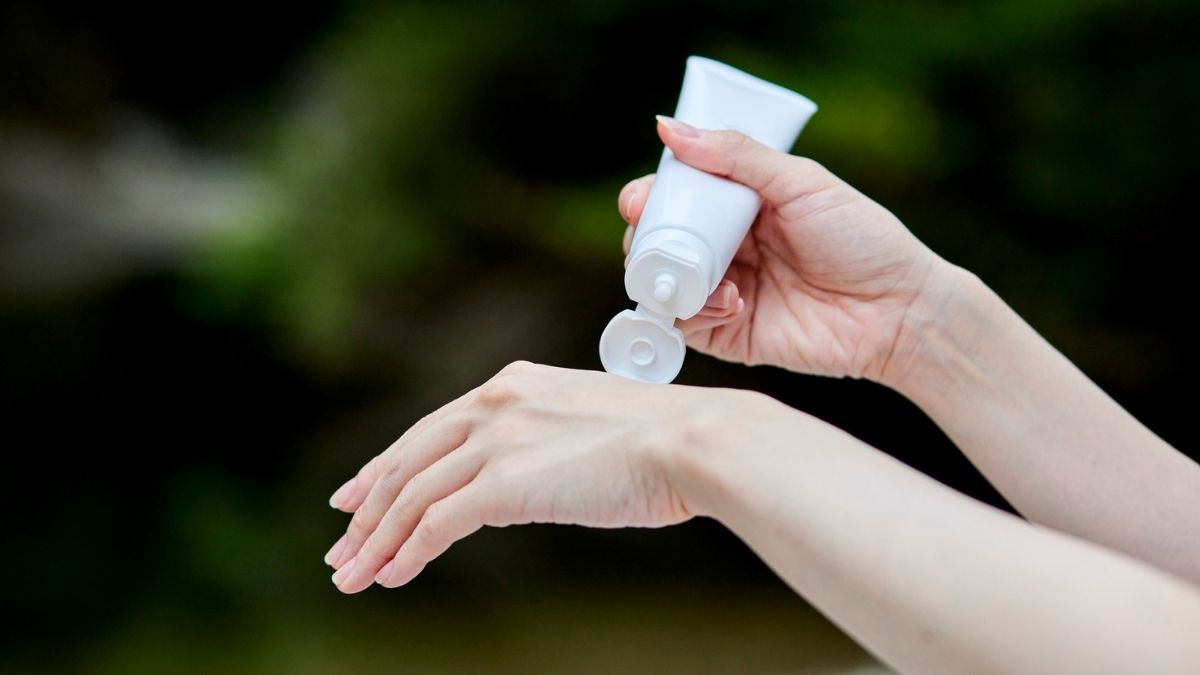
Look for these ingredients: Ceramides rebuild your skin barrier. Hyaluronic acid holds 1,000 times its weight in water. Glycerin attracts moisture from the air. Shea butter seals everything in.
Keep your moisturizer right next to your towel. Make it impossible to forget this step. Your skin depends on it.
Your Skin Deserves Better

Hot showers above 105°F damage your skin barrier every single day. The fix is simple: Use lukewarm water for 10 minutes or less. Choose gentle, fragrance-free cleansers. Moisturize within three minutes after showering.
If you have eczema, psoriasis, or sensitive skin, these changes aren’t optional. They’re treatment.
Start by making one change this week: lower your shower temperature by just a few degrees. Your skin will thank you within days. Follow these dermatologist recommendations and you’ll see less dryness, less itching, and healthier skin. Your healthy shower routine starts now.