

If you’ve noticed yourself hesitating before stepping off a curb or feeling less confident in crowded spaces, you’re experiencing what researchers call age-related coordination decline—and you’re far from alone.
Over 14 million Americans aged 65 and older fall each year. That’s one in four older adults. Fall death rates among people aged 65-74 have increased by over 70% between 2003 and 2023. These aren’t just statistics—they represent real people who’ve lost confidence, independence, and sometimes their lives.
Daily activities get harder as coordination and body control decline. Grocery shopping feels riskier. Walking on uneven sidewalks becomes stressful. Many people stop doing activities they love because they’re afraid of falling.

But here’s the good news: coordination exercises for seniors can reverse this decline. Research from 2024-2025 proves that specific balance and mobility training reduces fall risk by up to 24%. These aren’t your typical strength exercises—they train your brain and body to work together better.
In this guide, you’ll learn seven evidence-based coordination exercises that improve body control training after 60. You’ll discover how to practice safely, build a weekly routine, and regain the confidence to move freely. Fall prevention starts with the right exercises, and you can begin today with just 15 minutes.
The Science Behind Coordination Training for Older Adults
Your brain can rewire itself at any age. Scientists call this neuroplasticity. When you practice coordination exercises, your brain builds new pathways that help you react faster and move more confidently. This isn’t just theory—it’s proven science that can keep you independent.
Here’s what makes coordination training different from regular exercise. Traditional strength training builds muscle. That’s good. But it doesn’t train your brain and body to work together quickly. Coordination training does both at once.
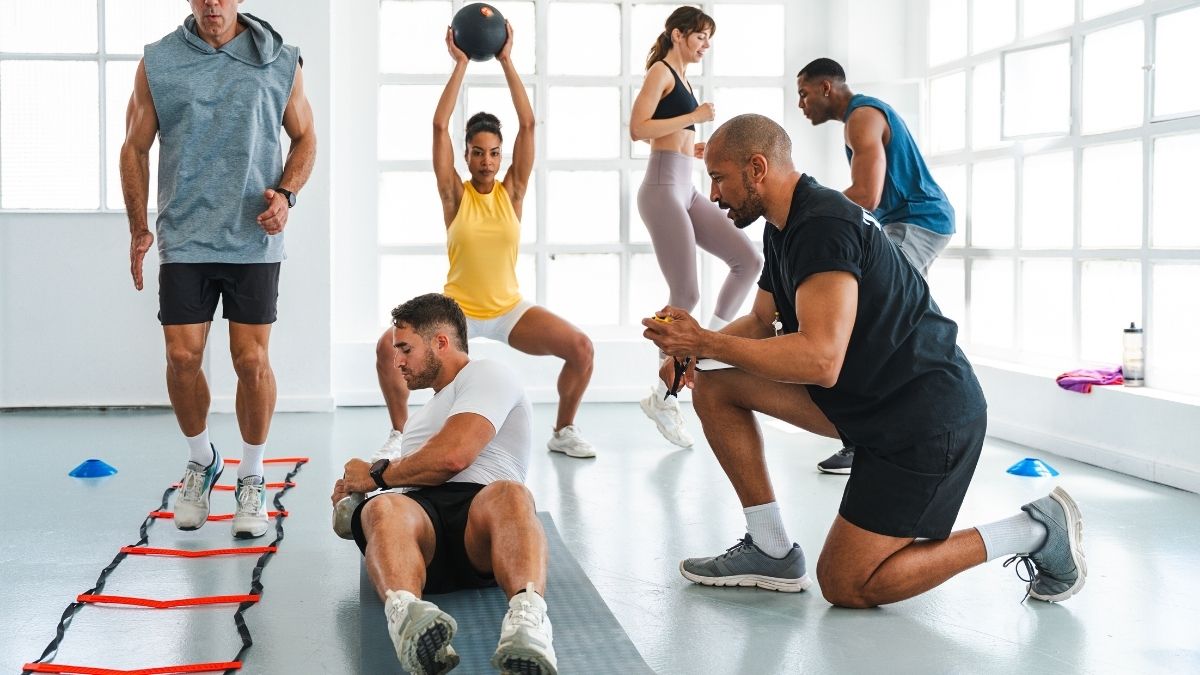
Research shows something surprising. Exercises that challenge your reaction time work better than anything else at preventing falls. When you practice responding quickly to unexpected movements, your body learns to catch itself before you hit the ground.
Dual-task training—doing two things at once—produces the biggest improvements. Studies from 2024 show that three months of dual-task training improves your balance, walking speed, and even your memory. One study found people could walk faster, stand steadier, and think more clearly after just 12 weeks.
Why does this work so well? Walking while counting backward forces your brain to split attention. This mirrors real life. You walk and talk. You carry groceries and watch for curbs. Practicing these combinations makes your brain more efficient at cognitive-motor integration.
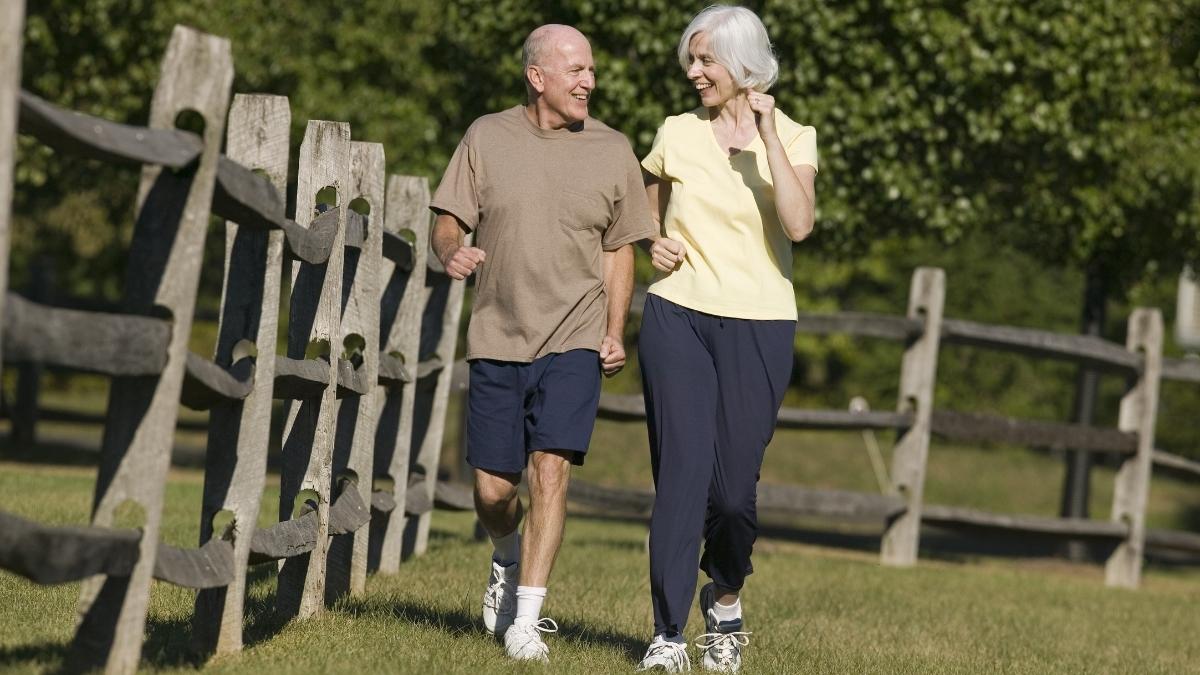
Gait training matters too. Practicing smooth, coordinated walking across different surfaces—carpet, tile, grass—trains your body for real-world conditions. Your postural control improves because your nervous system learns to adjust instantly.
7 Evidence-Based Coordination Exercises You Can Start Today
You don’t need a gym membership or fancy equipment. These seven balance exercises for seniors work at home with minimal setup. Start with the first two, then add more as you get stronger.
Exercise 1: Heel-to-Toe Walking (Tandem Walking)
This exercise trains your body to walk a straight line, just like the balance test doctors use.
Place your right heel directly in front of your left toes. Take another step, putting your left heel right in front of your right toes. Keep going for 20 to 30 steps. Your feet should form a straight line, like you’re walking on a tightrope.
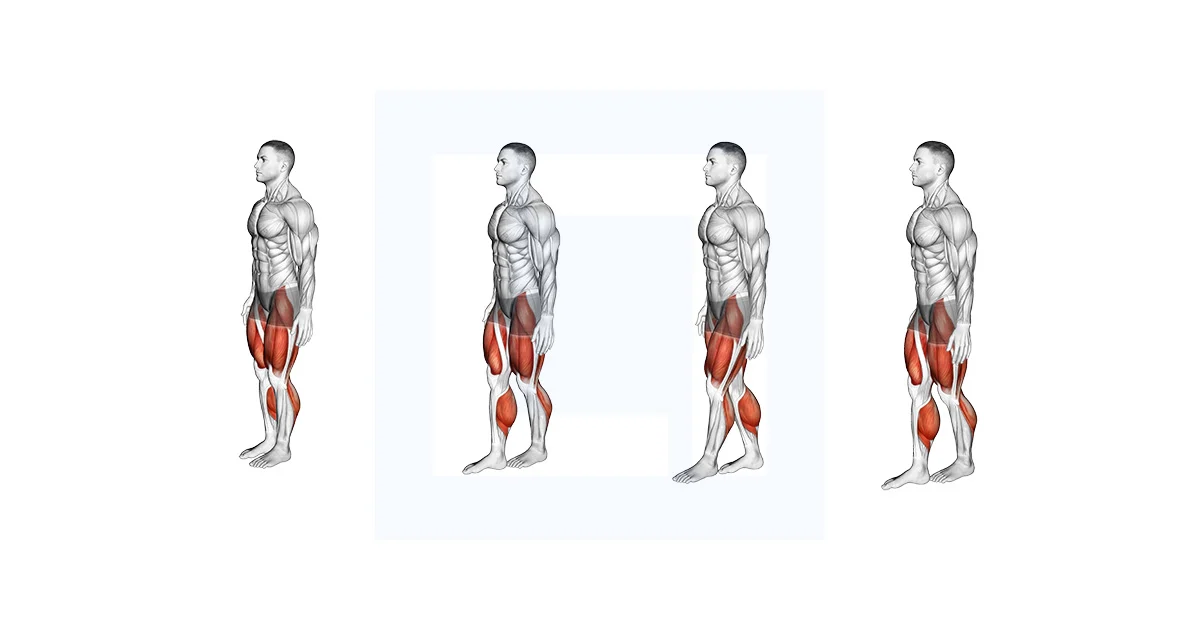
Start next to a wall. Touch it lightly with your fingertips if you wobble. Once you can do 20 steps without touching the wall, move to an open space. This progression builds confidence while keeping you safe.
Do three walks of 20-30 steps, twice per week. Your balance will improve within two weeks of consistent practice.
Exercise 2: Cross-Over Steps (Grapevine Walk)
Lateral stability matters when you’re reaching for something or moving sideways in a crowded room. This coordination drill trains exactly that movement pattern.
Stand tall and step to your right with your right foot. Cross your left foot over in front of your right foot. Step right again with your right foot. Then bring your left foot behind your right foot. That’s two crossover steps.
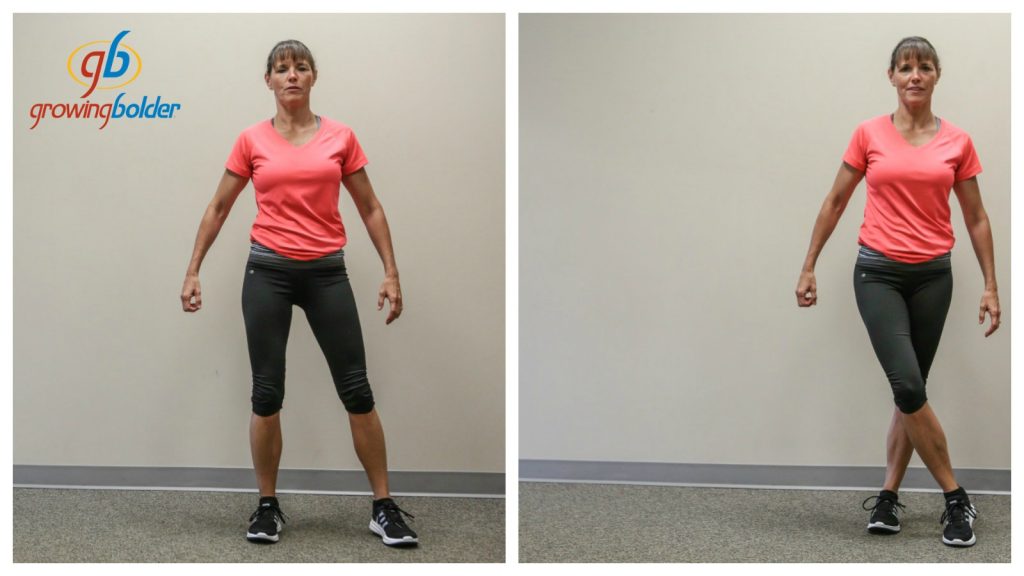
Try for 5 complete crossover steps on each side. Rest your fingers on a wall or counter if you feel unsteady. There’s no shame in using support—that’s how you build strength safely.
Work up to 10 steps in each direction. Practice twice weekly. This exercise feels awkward at first. That’s normal and means your brain is learning.
Exercise 3: Dual-Task Ball Toss
This proprioceptive training exercise combines walking with hand-eye coordination. It mimics real life when you’re carrying something while moving around your home.
Grab a tennis ball or small playground ball. Walk next to a partner or family member with about three feet between you. Bounce the ball back and forth as you both walk forward. This forces your brain to manage two tasks at once, which is exactly what dual-task training does.
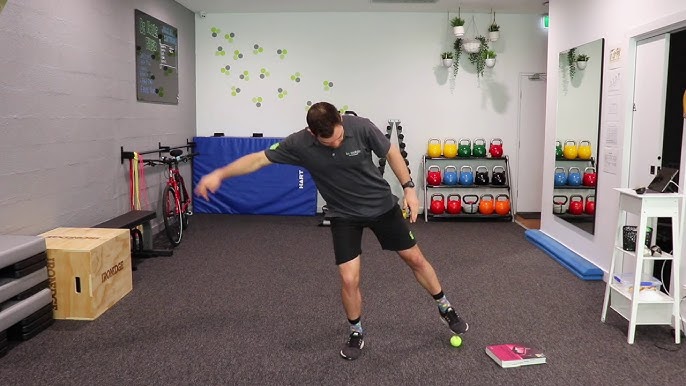
Start by standing in place and tossing the ball. Once that feels easy, add walking. Later, try standing on one leg while tossing (hold a chair for support). Do this for 2-3 minutes.
No partner? Toss the ball against a wall and catch it while walking in place. The key is splitting your attention between movement and catching.
Exercise 4: Single-Leg Stance with Eyes Closed
Your proprioceptive system tells your brain where your body is in space. Closing your eyes forces this system to work harder because you can’t use visual cues to balance.
Lift your right leg with your knee bent at 90 degrees. Hold for 10 seconds. Put your foot down. Switch legs. That’s one set.
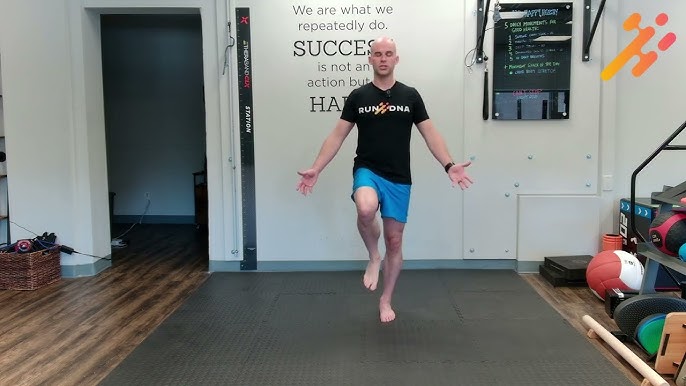
Always start with your eyes open and a chair nearby. Once you can hold for 30 seconds with eyes open, try closing them for just 5 seconds. Your weaker leg will be harder—start your practice with that leg first.
Build up to 30 seconds with eyes closed on each leg. This single exercise predicts fall risk better than almost any other test. If you can do this, your balance is solid.
Exercise 5: Marching with Arm Swings
This looks simple but coordinates your entire body. When you swing your right arm forward, your left leg comes up. This opposite-side pattern improves posture and builds functional strength.
Stand with feet hip-width apart. Lift your right knee while swinging your left arm forward. Lower your leg and switch sides. Keep your back straight and your core engaged.
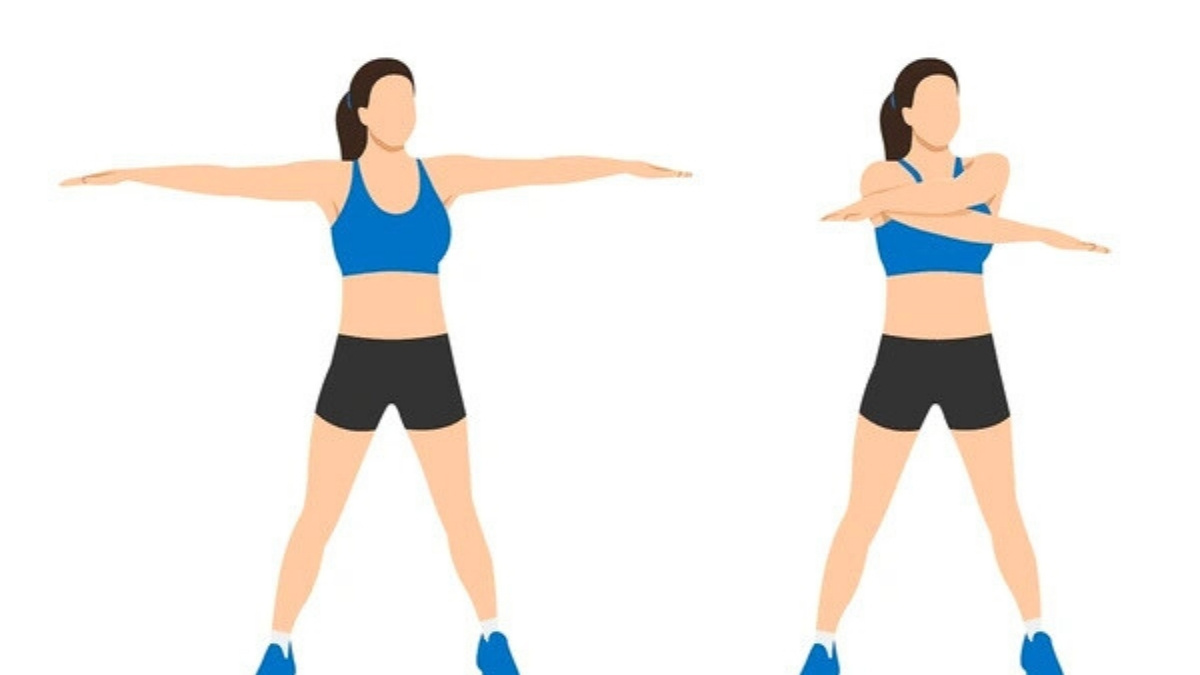
Start with low knee lifts and small arm swings. As you get comfortable, lift your knees higher and swing your arms bigger. Go for 60 seconds, then rest. Do three sets.
This coordination drill prepares your body for walking on uneven ground. It’s also a great warm-up before other exercises.
Exercise 6: Side Steps with Weight Shifts
Moving sideways challenges your balance differently than forward walking. This exercise builds the lateral control you need for getting in and out of cars or navigating tight spaces.
Step your right foot out to the side. Pause and feel your weight shift completely onto that foot. Hold for 5-10 seconds. Bring your left foot over to meet your right foot. Now step left and repeat.
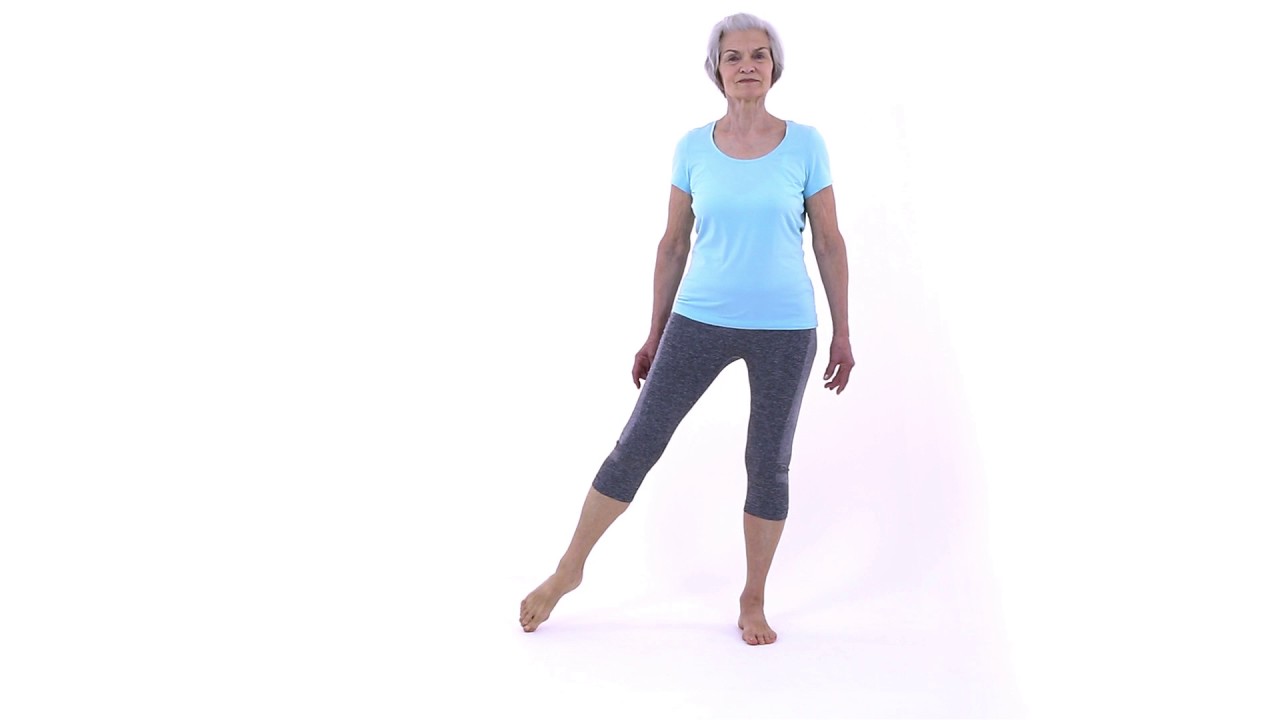
Move slowly and with control. Fast movements don’t build balance—controlled movements do. Do three weight shifts on each side. Focus on feeling stable during each pause.
Your ankles and hips get stronger with this exercise. You’ll notice it’s easier to step over obstacles and change direction quickly.
Exercise 7: Ball Toss While Standing on One Leg
This is the most challenging exercise on this list. It combines visual tracking, single-leg balance, and hand coordination. Your vestibular, visual, and proprioceptive systems all work together here.
Stand on both feet first. Toss a tennis ball from your right hand to your left hand. Follow the ball with your eyes. Once that’s easy, lift your left foot off the ground and keep tossing.
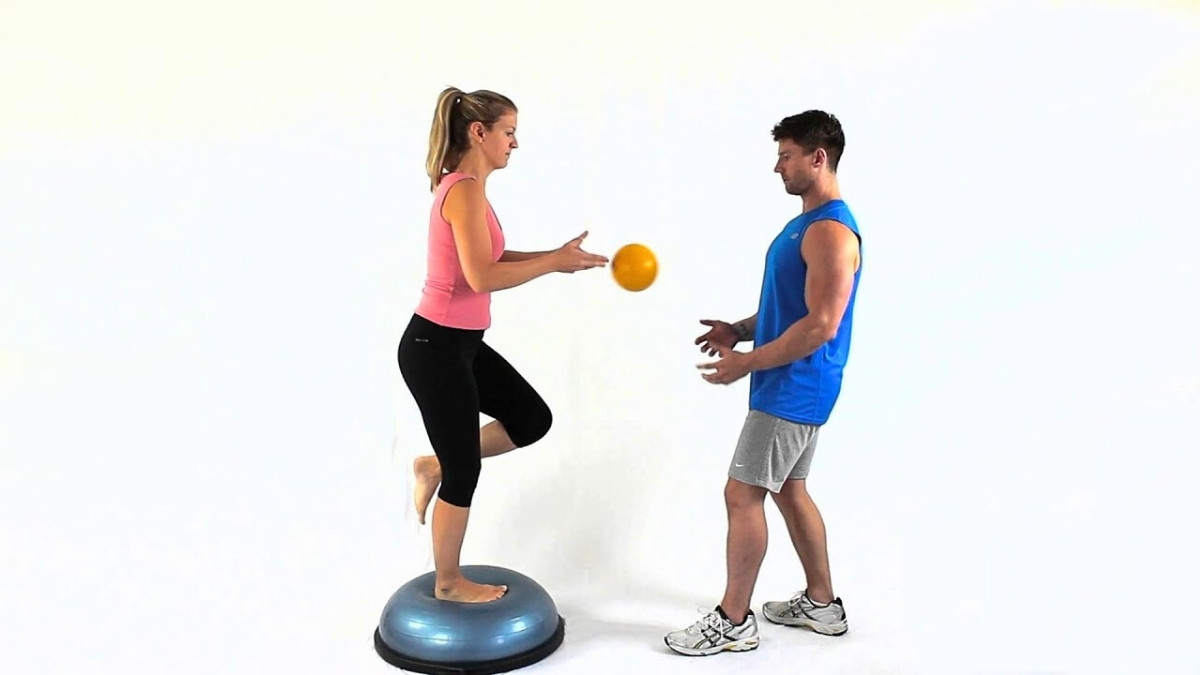
Hold a chair with one hand if needed. Start with slow, low tosses. As your balance improves, toss the ball higher and vary the speed. Switch to standing on your other leg.
Aim for 30 seconds on each leg. This multi-system integration exercise is the closest thing to real-world balance challenges you’ll face.
Start with exercises 1, 2, and 5 this week. Add the others as you build confidence. Consistency beats intensity every time.
Tai Chi: The Gold Standard for Coordination and Balance
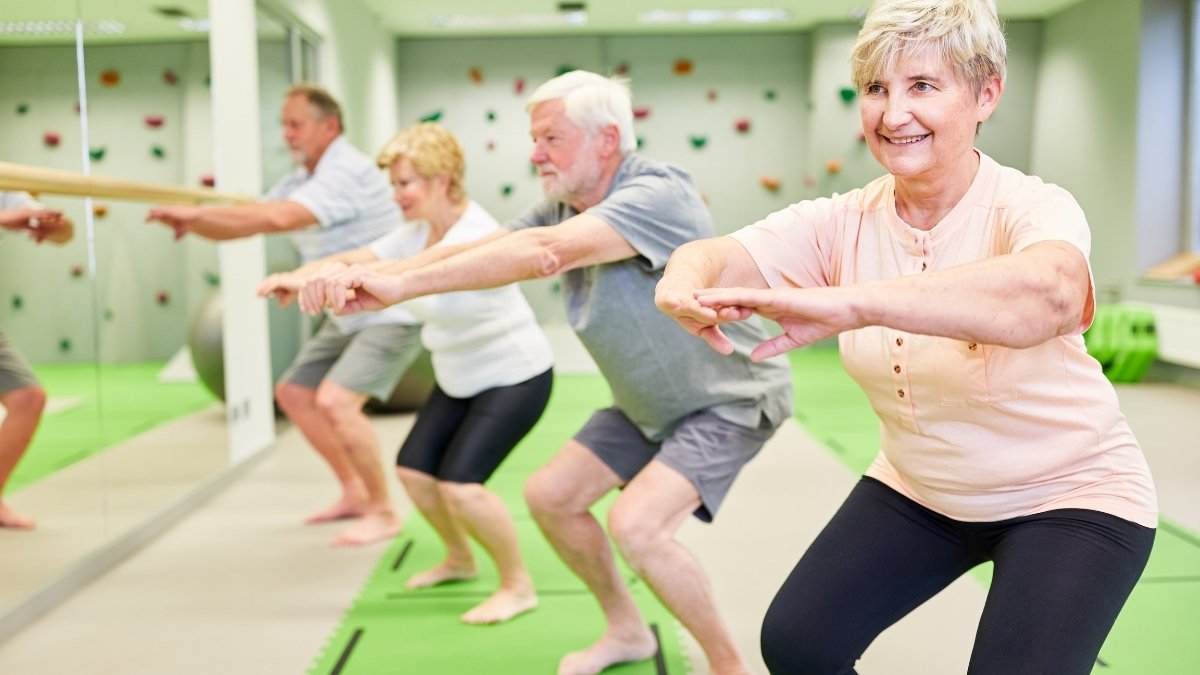
Tai Chi reduces your fall risk by 24%, according to research on thousands of older adults. That’s better than most other exercise programs. This traditional Chinese exercise works because it trains all three balance systems at once—your eyes, inner ear, and body awareness.
Here’s what makes Tai Chi for balance so effective. The slow controlled movements force you to shift your weight constantly. You’re always moving from one leg to the other in a semi-squat position. This builds leg strength while training your body to catch itself when you start to tip.
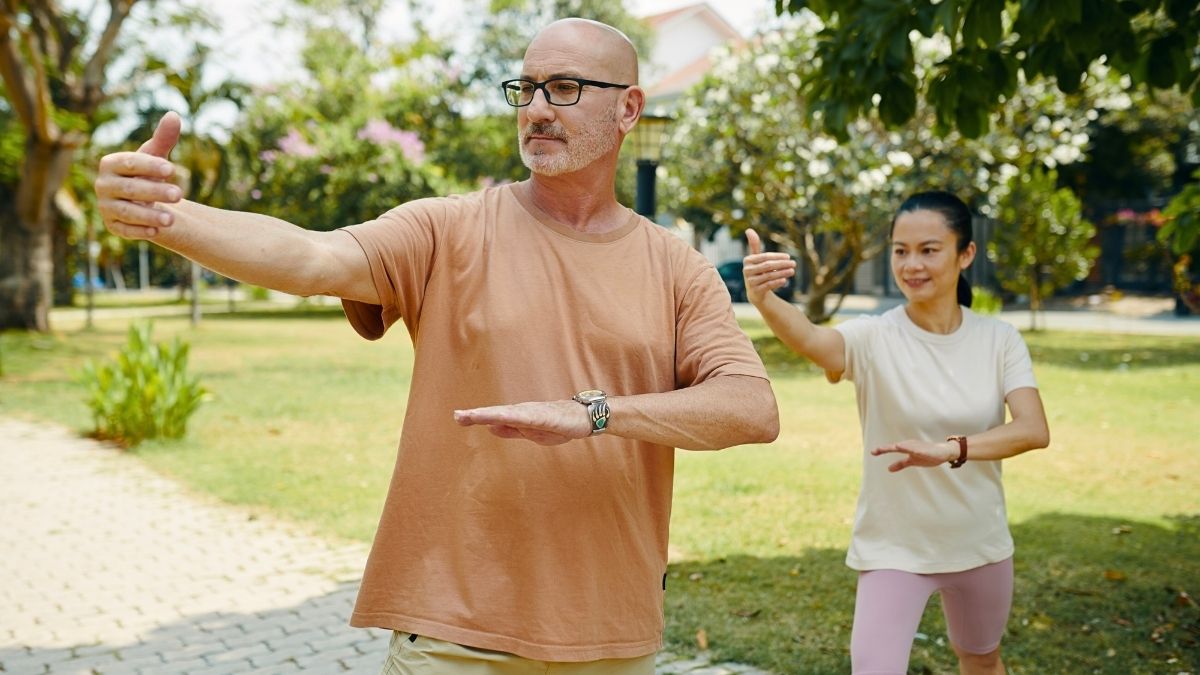
Studies show Tai Chi works best when you practice for 8 to 16 weeks, 2-3 times per week. Each session should last 30 to 60 minutes. That might sound like a lot, but most people find it relaxing, almost meditative.
The Yang style is the most common version for beginners. Look for the “24-form simplified” version—it’s easier to learn than traditional forms with 100+ movements. This mind-body exercise enhances your visual feedback through controlled gaze adjustments and activates your vestibular system through gentle rotations.
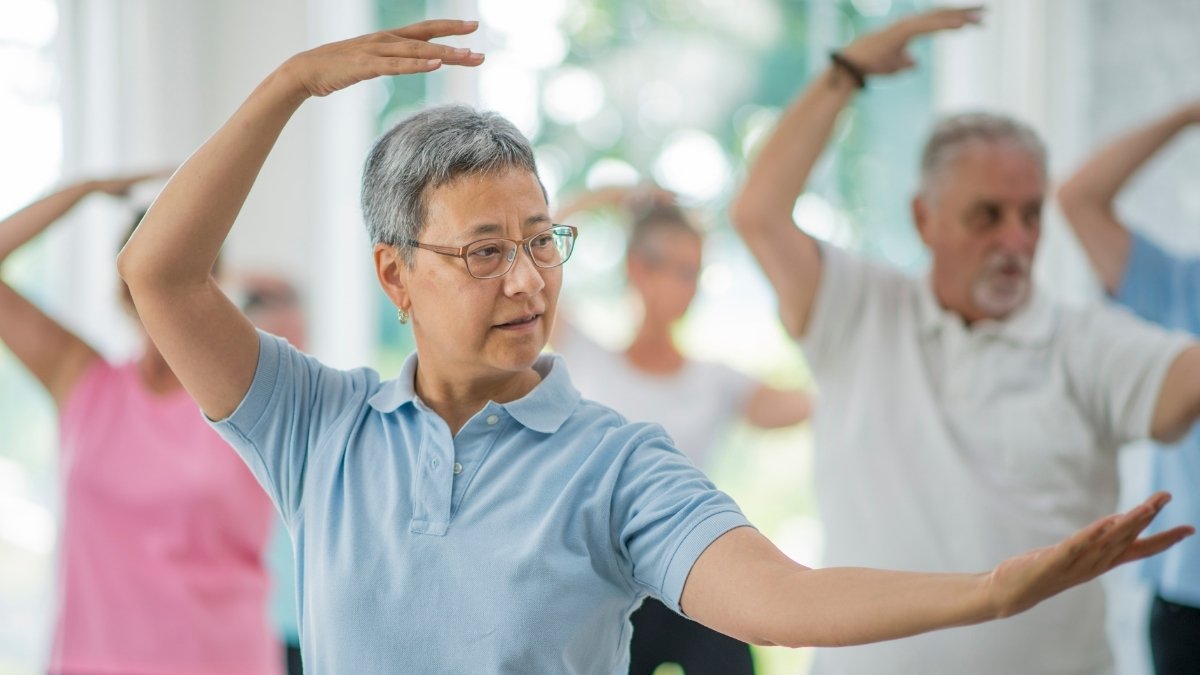
You don’t need special equipment or clothes. No gym membership required. Find classes at your local senior center, community center, YMCA, or library. Many offer free or low-cost sessions. Can’t get to a class? YouTube has hundreds of beginner Tai Chi videos you can follow at home.
Creating Your Weekly Coordination Exercise Plan
Knowing the exercises is step one. Building them into a weekly workout plan you’ll actually stick with is step two. The research is clear: you need at least two coordination sessions per week to see real improvements in balance and muscle strength.
Here’s your exercise routine for seniors that works. Plan for 2-3 days of coordination-specific work, 2 days of basic strength training, and daily light movement. That might sound like a lot, but sessions start at just 15-20 minutes.
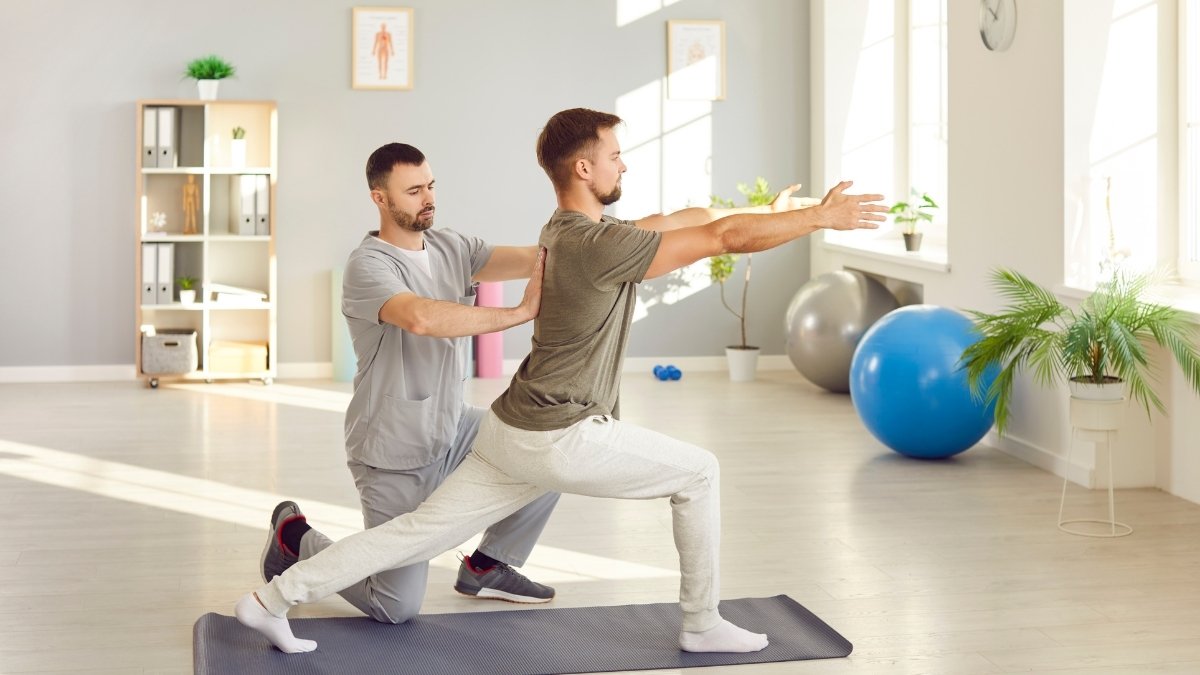
If you’re new to exercise, start with five minutes spread throughout your day. Do heel-to-toe walking while your coffee brews. Practice single-leg stance while brushing your teeth. These small chunks add up. The goal is 150 minutes of moderate activity per week, but you can build up to that slowly.
Here’s a sample weekly schedule that balances everything:
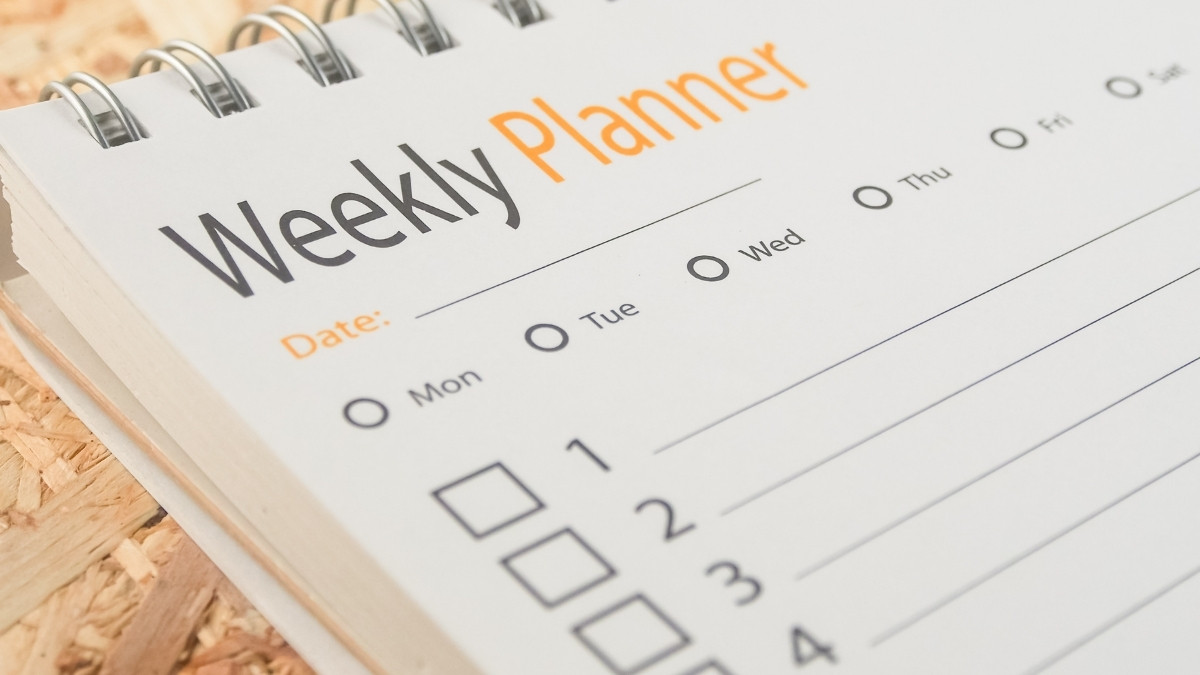
Monday: Coordination exercises (20 minutes)
Tuesday: Light strength training or resistance bands
Wednesday: Tai Chi or yoga class (30 minutes)
Thursday: Dual-task training (20 minutes)
Friday: Rest day or gentle stretching
Saturday: Balance and coordination practice
Sunday: Walking or light activity
Progressive training means adding one minute or one extra set each week. Consistency matters more than intensity. Doing 15 minutes twice a week beats doing nothing while planning the “perfect” 60-minute workout.
7 proven coordination exercises that reduce fall risk by 24% and improve balance after 60. Start with just 15 minutes twice weekly.
Final Thought:
Coordination exercises for seniors over 60 are scientifically proven to improve mobility and balance while cutting fall risk by up to 24%. The evidence is clear: combining Tai Chi, dual-task training, and specific coordination drills gives you the best results. No single approach does it all.
Starting safely with your doctor’s approval matters. But consistency matters more than intensity. Practicing 15 minutes twice a week beats planning a perfect hour-long workout you never do. Free resources through Medicare, senior centers, and online platforms make fall prevention training accessible to everyone.
Don’t wait for a fall to prioritize your coordination. Start with just one exercise from this guide today—even five minutes can make a difference. Talk to your doctor, choose exercises that match your current ability, and commit to practicing twice a week. Your future independent, confident self will thank you.