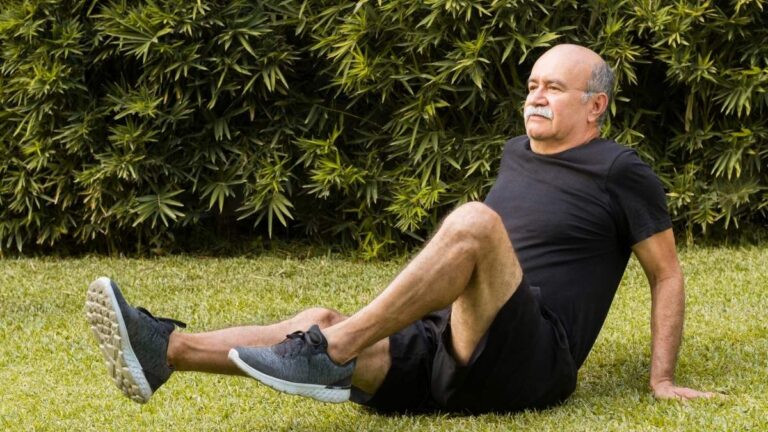
70-Year-Olds Are Getting Stronger Than You. Their Secret is Simpler Than You Think
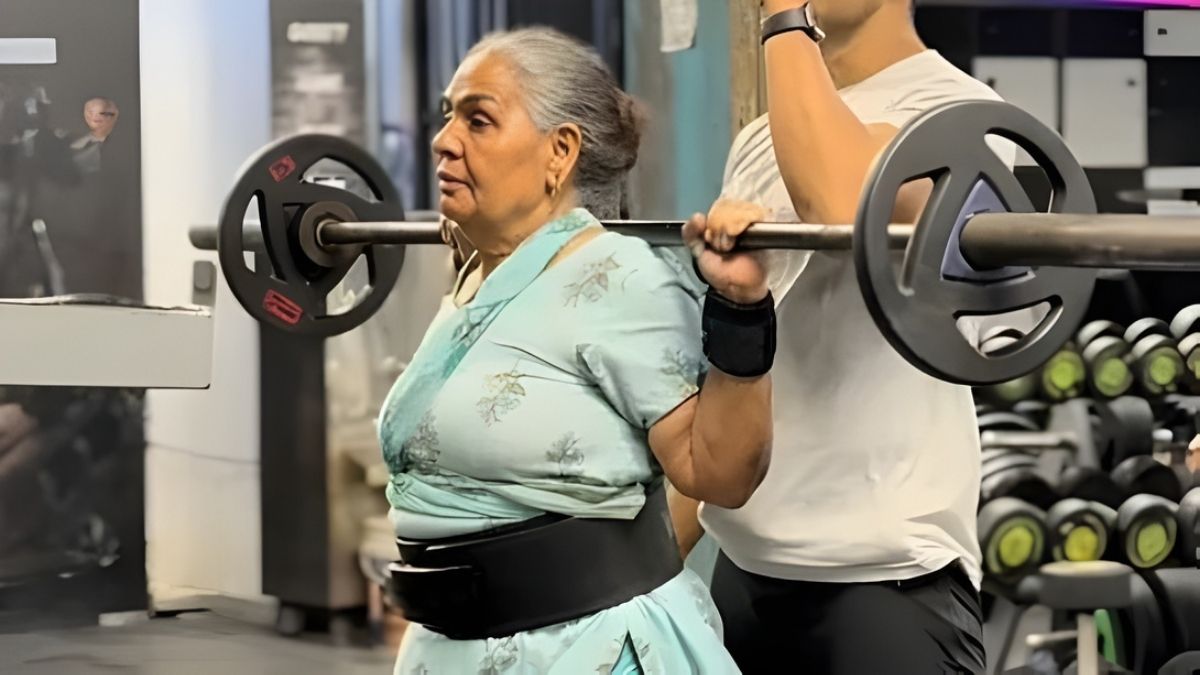
Roshni Devi Sangwan walks into her Delhi gym six days a week, loads the leg press to 120 kilograms, and starts her routine. She began lifting at 68 after a back injury and arthritis made even walking hard. Now at 70, she’s stronger than she ever expected.
Most people think muscle building ends in your 30s. They think that after 70, your body gives up. That weakness, slow movement, and loss of independence are things you just have to accept. But that belief is wrong. And it stops seniors from getting the strength they can still build.
In this guide, you’ll learn why strength training for seniors over 70 works, how building muscle after 70 is possible, the science behind resistance training, and how you can start safely—even if you’re new.
STRONGER
POINT 1: The Strength Revolution No One Expected

Roshni Devi Sangwan couldn’t walk without pain at 68. Back surgery and arthritis hurt every step. Her trainer son suggested lifting weights.
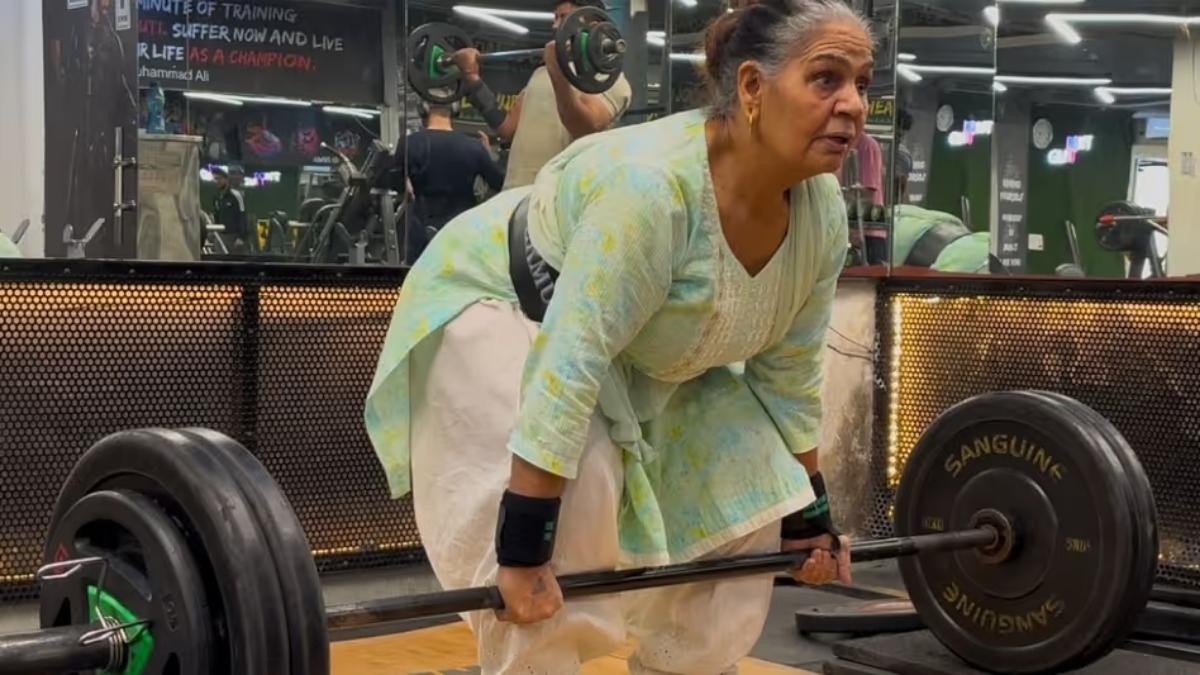
She started with 5 kilograms. Two years later at 70, she deadlifts 65kg and leg presses 120kg six days a week. Her doctor said stop the medications and keep lifting.
This is science in action. A 2025 study of 2,500 seniors across 13 countries found strength training gave the strongest cognitive improvements of any exercise. A 2024 BMJ study showed one year of heavy resistance training preserved leg strength for four years after.
The stats are clear. 30% of adults over 70 have mobility limitations. 46% of adults 51+ don’t get enough protein. Yet just 60 minutes of weekly strength training cuts heart disease death risk by 19%.
Ernestine Shepherd became the world’s oldest female competitive bodybuilder at 68. Senior strength gains and resistance training benefits are real.
This isn’t rare. It’s reproducible.
But here’s what most people get wrong about how muscle actually works after 70…
POINT 2: Your Muscles Don’t Retire at 70 (Here’s the Science)

Muscle loss is real. After 30, you lose 3-5% each decade. After 65, it speeds up. About 5-13% of 60-70 year-olds have sarcopenia. After 80, that jumps to 11-50%.
But it’s reversible. A 2025 study tested 90-year-olds. After 12 weeks of strength training, they showed 25% increase in muscle patterning and 35% strength gains.
Your body doesn’t stop responding. It needs a stronger signal. More protein. Heavier weights. Scientists call this “anabolic resistance.” Your muscles need more protein per meal to trigger muscle protein synthesis in seniors.
Your nervous system adapts first. Your brain fires more muscle fibers at once. That’s why strength improves before muscles grow bigger. Building muscle after 70 starts in your brain.
Fast-twitch fibers shrink but don’t die. Challenge them and they respond. That 2024 BMJ study proved one year of training gave four years of sarcopenia prevention benefits.
The real question isn’t whether your body can respond. It’s whether you’re giving it the right signals.
And those signals start with one simple change that multiplies everything else…
POINT 3: The Protein Power Move Most Seniors Miss
If strength training is the match, protein is the fuel. Without enough, you’re exercising but not building.
The standard recommendation is 0.8g per kilogram of body weight. That’s not enough for seniors building muscle. 2025 research shows you need 1.0-1.2g/kg for healthy aging and up to 1.5g/kg for muscle building. Right now, 30% of men and 50% of women over 71 don’t get enough protein intake for seniors.
🏭 The Senior Protein Power Plant
Deficiency: 30% Men, 50% Women over 71.
Here’s the math. A 165-pound person needs 75-90g protein daily, not the 60g RDA says. Spread it across 3-4 meals of 25-30g each.
Timing matters. Each meal needs 25-30g to trigger muscle protein synthesis. A 10-week study showed 40g post-workout beat 20g for strength gains in 70-year-olds. Eating 40g before bed boosts overnight muscle building nutrition.

Real examples: 4oz chicken breast gives 35g. Greek yogurt with nuts hits 25g. A salmon fillet delivers 40g. Whey protein works best, but plant proteins work with higher amounts.
But here’s where it gets really interesting—the type of training matters more than most people realize…
POINT 4: Heavy Beats Light (What Science Actually Shows)
Light weights feel safer. But 2025 research shows heavy resistance training for seniors preserves function better than moderate weights. The heavy group maintained leg strength while moderate weights declined.
“Heavy” means challenging for you, not some fixed number. Start at 30-40% of your max effort. Progress to 70-80% over weeks. That’s heavy enough.
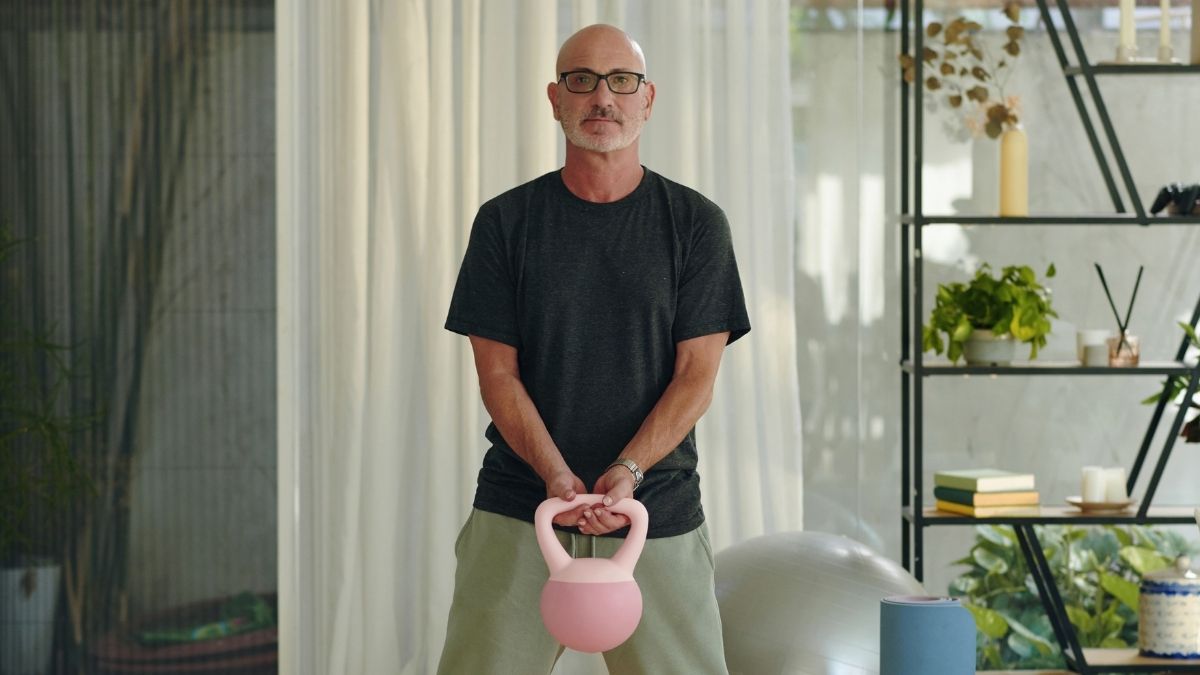
Do 3-5 reps for 3-5 sets. Lower the weight slowly over 3 seconds. Lift it fast with control. This slow eccentric phase cuts injury risk dramatically. The explosive lift builds strength safely through progressive overload in older adults.
Focus on compound movements. Squats, deadlifts, leg press, and rows work multiple muscles at once. Train 2-3 times weekly with 48 hours between sessions. Target 8-10 muscle groups each session.
Use machines first for safety. After 4-6 sessions with a trainer to learn form, try free weights. Both groups in studies prevented belly fat gain. Neural changes happen even when muscle size plateaus.
Now let’s get specific about exactly what exercises work best…
POINT 5: The 6 Exercises That Deliver Maximum Results
You don’t need 50 exercises. You need these six. Each one builds strength you’ll use every single day in your senior exercise program.
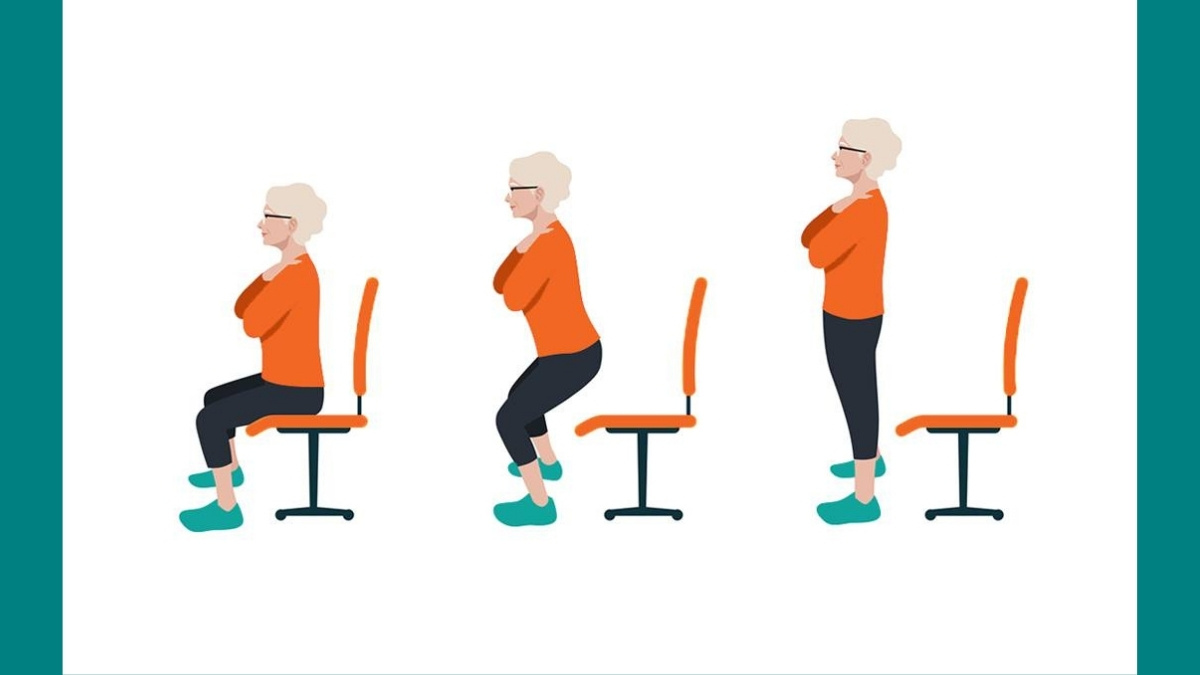
Sit-to-Stand (Chair Squats) is your foundation. You do this motion 30 times a day getting up from chairs, toilets, and beds. Start holding a counter for balance. Progress to bodyweight only. Add dumbbells when that feels easy. Do 3 sets of 10-15 reps.

Leg Press lets you load heavy weight safely. Your quads, glutes, and hamstrings get strong without balance concerns. Start at 20kg. Work up to 100kg+ over months like Roshni did with her 120kg.
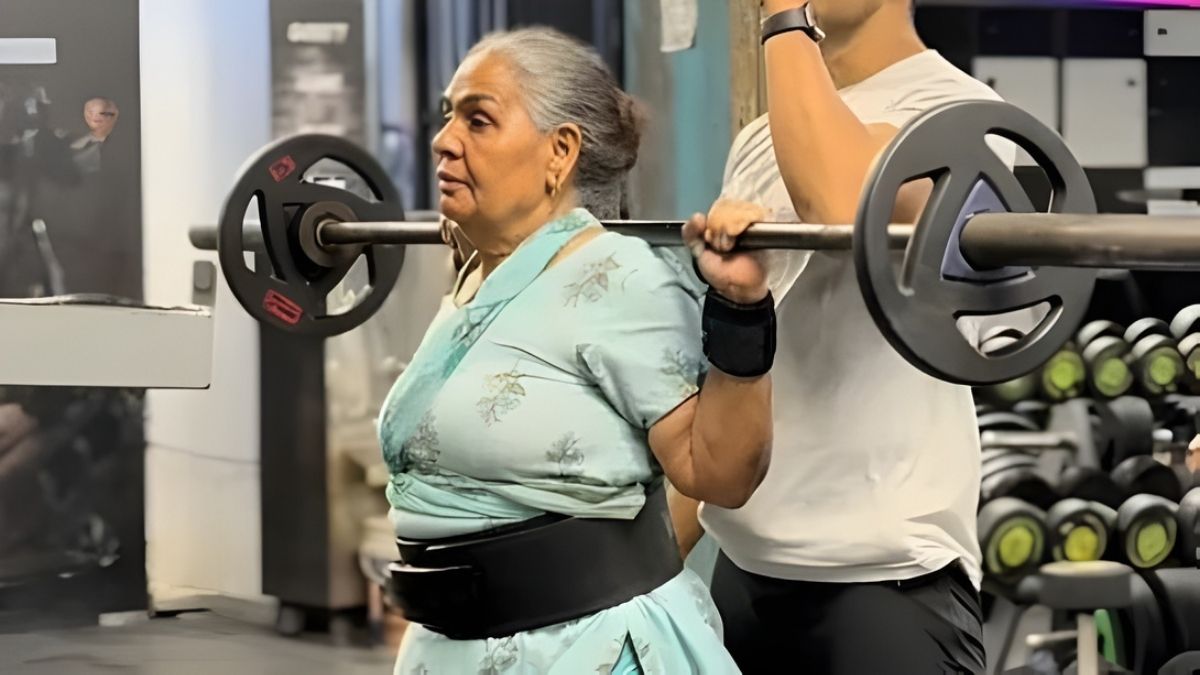
Deadlift or Trap Bar Deadlift builds total body power. It teaches you how to lift anything off the ground safely. Begin with 5kg. Progress to 50kg or more. This is functional strength training that matters.
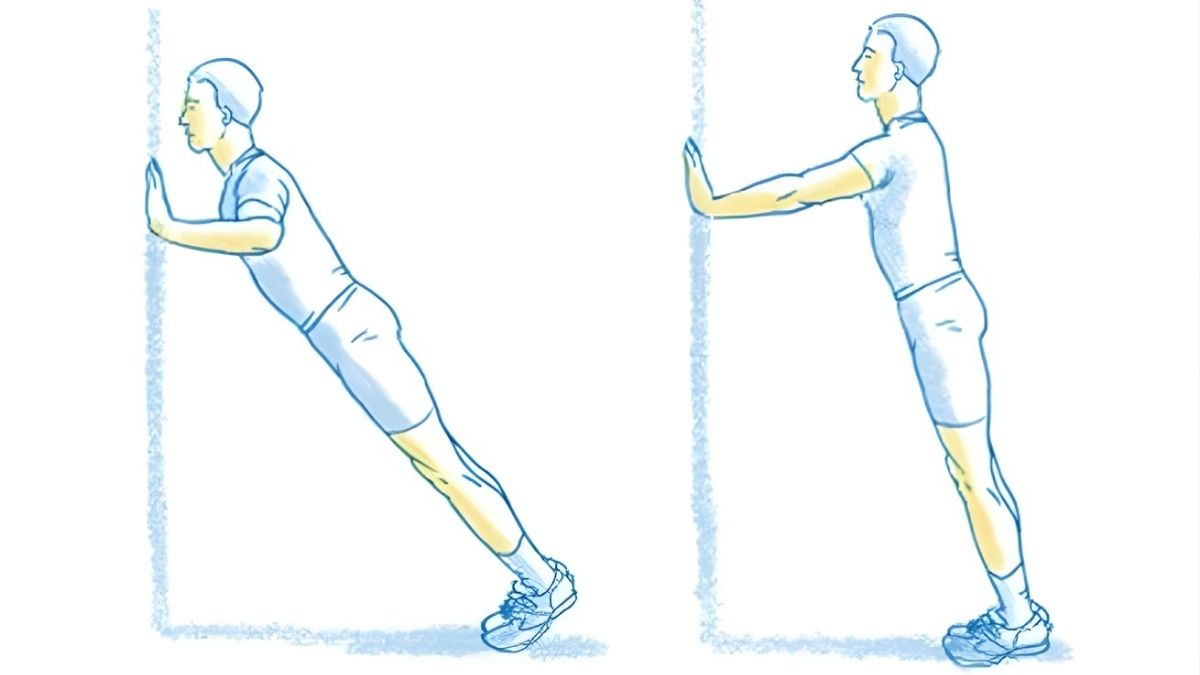
Wall Push-ups strengthen your chest and arms without floor work. Start vertical against a wall. Move to a counter as you improve. Eventually try knee push-ups. Your shoulders stay protected.
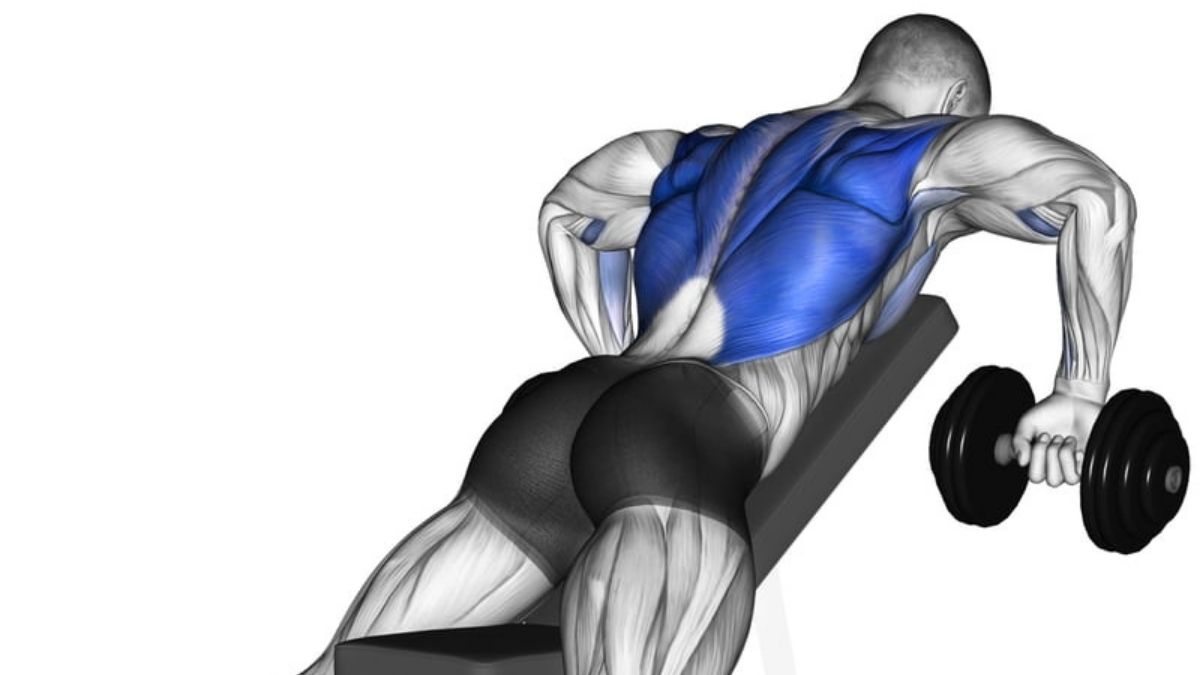
Supported Rows build your back and fix posture. Use cables or resistance bands. This balances all your pushing work. Strong backs prevent hunching.

Hip Bridges wake up your glutes and prevent falls. Lie on your back, feet flat, lift your hips. Progress to single-leg when ready. The CDC “Growing Stronger” program and Geri-Fit use these resistance exercises for elderly with great results.
These exercises are your foundation. But timing them right makes them twice as effective…
POINT 6: The Weekly Schedule That Actually Works
Conclusion:
Your body can still build muscle at 70. Science shows this again and again. You just need a simple plan you can repeat each week. Lift heavier over time. Train two or three days a week. Eat enough protein so your muscles have the materials to grow. Rest on the days your body feels tired. Stay consistent for at least 12 weeks so the changes can settle in.
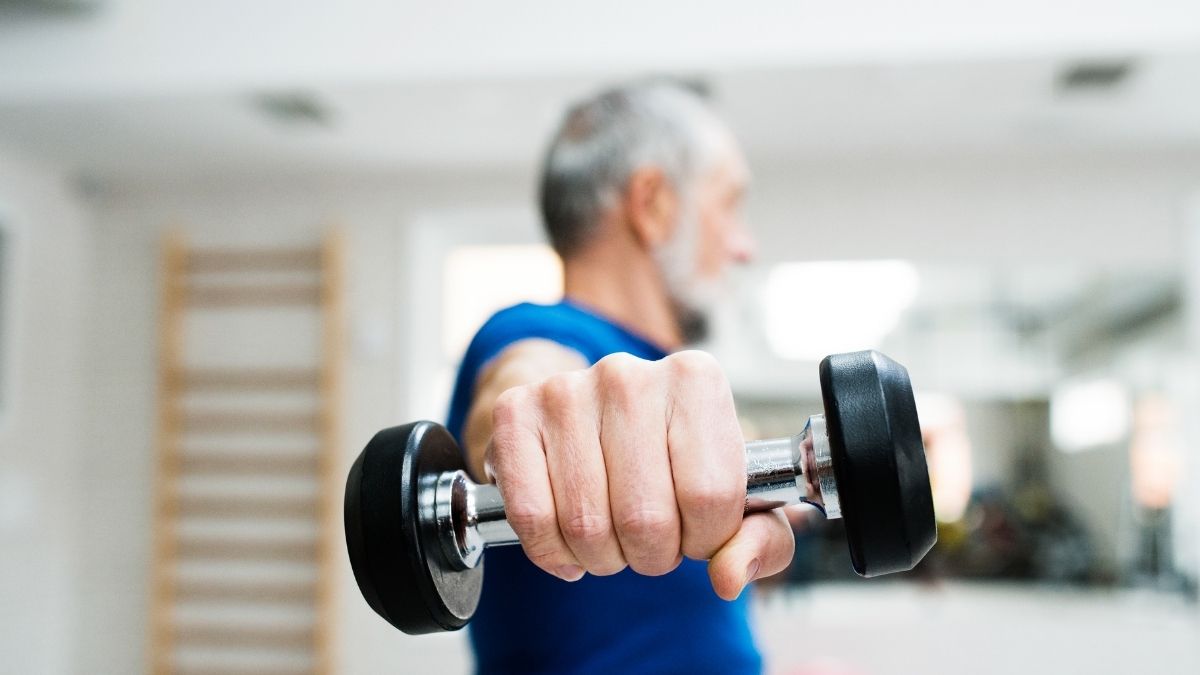
Start this week. Don’t wait for the “perfect” moment. Even bodyweight squats help. Even a pair of 5-pound dumbbells can spark progress. Roshni began at 68 with 5kg after back surgery. Today she presses 120kg and feels stronger than ever. You can create your own story like hers. All it takes is one rep to begin.
When you pick up that weight, you’re doing more than exercise. You’re taking back strength, balance, and confidence. You’re proving that strength training for seniors over 70 still works. And you’re showing that building muscle after 70 is real for anyone who starts and keeps going.