
By the time you read this, your body has already started losing muscle. And if you do nothing about it, that process gets worse every single year.
Most people in their 40s notice it. They feel softer. They feel weaker. Recovery takes longer. They blame it on being busy or getting old. But there is a real biological reason and it has a name.
It is called sarcopenia. It is the slow, steady loss of muscle mass and strength that starts earlier than most people think. The good news? It is not locked in. You can slow it, stop it, or even reverse a big part of it.
In this article, you will get 7 specific habits that experts and researchers use to preserve lean muscle and real-world strength after 40. Each one is simple, backed by current science, and something you can start this week.
Sarcopenia Defense Calculator
Evaluate your adherence to the 7 expert habits for preserving muscle and strength after age 40.
What Actually Happens to Your Muscle After 40 (And Why It Matters)

Your body starts losing muscle in your 30s. After age 30, adults lose roughly 3–5% of muscle mass every decade. After 40, that rate climbs to around 8% per decade. After 70, it can jump to 15% per decade.
Strength drops even faster than muscle. Research shows strength can fall between 16.6% and 40.9% between people under 40 and those over 40. That is not a small gap. That is the difference between carrying groceries easily and struggling to get off the floor.
And it is not just about looking fit. A CNN report from December 2025 noted that grip strength is a powerful predictor of disability and death in older adults. Muscle is literally keeping you alive longer.
Sarcopenia — the clinical name for this muscle loss — affects 10–27% of adults globally. But a 2024 study confirmed that people aged 40 and above can meaningfully reduce their risk through early action with exercise and better nutrition.
You do not have to accept this. Here is what the experts actually do to fight back.
Habit 1: Lift Heavy Things — At Least Twice a Week, Every Week
If you only do one thing from this list, make it this.
Resistance training is the only stimulus that forces your muscles to grow and maintain themselves. Walking does not do it. Stretching does not do it. Your muscles need load — weight pushing back against them — or they have no reason to stay strong.
The best movements to focus on are compound exercises. These are squats, deadlifts, rows, presses, and carries. They work multiple muscle groups at once, so you get more results in less time.
Frequency matters too. The CDC recommends at least 2 days of strength training per week. Some research shows 3 sessions a week gives better results for adults over 40. Pick 2 to start if you are new to this.
Progressive overload is the key principle. You need to gradually increase the challenge over time — more reps, more weight, slower movement, or shorter rest. A 16-week resistance program for men aged 50–65 produced about 40% strength gain and raised resting metabolic rate by 7.7%.
Dr. Gabrielle Lyon, author of Forever Strong, calls muscle “the organ of longevity.” That is not a marketing phrase. That is the science.
Quick tips:
- Start with 2 sessions a week. Lower body on Day 1, upper body on Day 2.
- Add 1 rep or 2.5–5 lbs every 1–3 weeks when your current weight feels easy.
- Focus on form first, weight second — especially after 40, when injuries cost you weeks of progress.
Habit 2: Eat Enough Protein — More Than You Think You Need
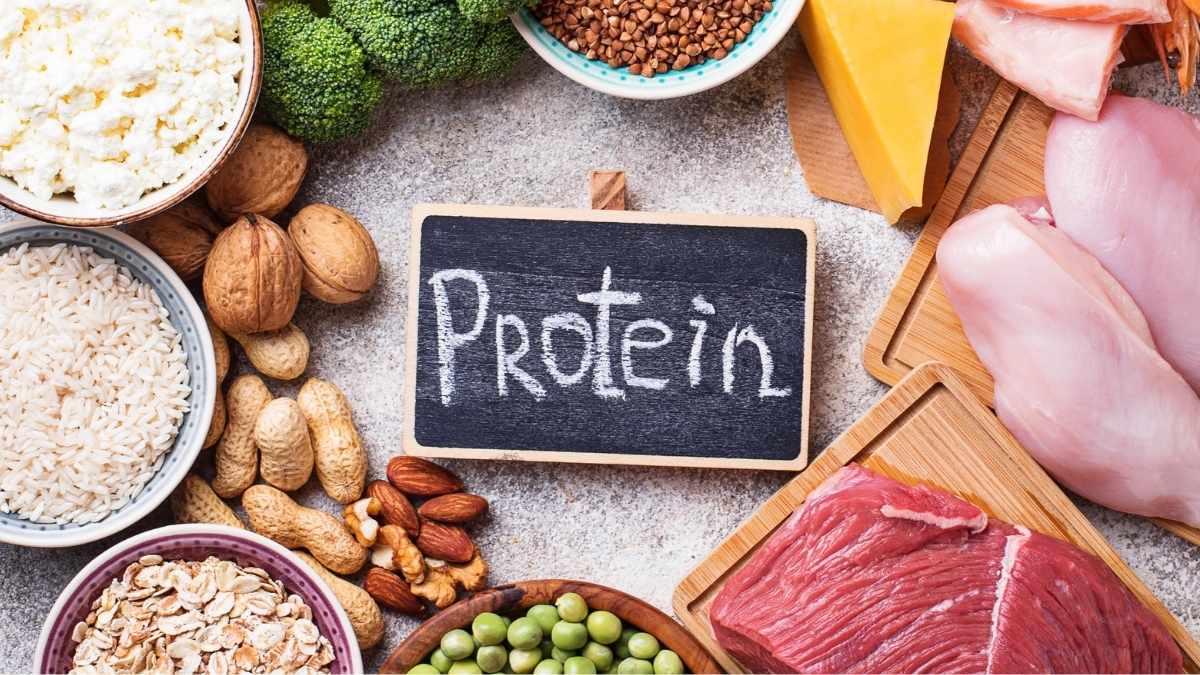
Protein is the building material for muscle. Without enough of it, your body cannot repair what breaks down during training.
After 40, something important changes. Your body develops what researchers call anabolic resistance. This means it takes more protein to trigger the same muscle-building response that a younger body gets from less. Your muscles become harder to feed. So you need to eat more deliberately.
The current research target for adults over 40 who train: at least 1.2 grams of protein per kilogram of body weight per day. For those actively trying to build or protect muscle, 1.5 g/kg is a stronger target.
A major meta-analysis confirmed that muscle strength keeps increasing up to 1.5 g/kg per day of total protein intake when paired with resistance training.
Spreading protein across meals matters. Aim for 30–40g per meal, 3–4 times a day. Research from Frontiers in Nutrition in 2025 showed a 1.8 kg lean mass gain in just 12 weeks with 40g of whey protein daily combined with resistance training.
For a 75 kg (165 lb) person, that means 90–115g of protein daily — minimum.
Quick tips:
- Eat protein at every meal: eggs at breakfast, chicken or fish at lunch, Greek yogurt as a snack, fish or beef at dinner.
- Use a free app like Cronometer for 2 weeks to see how much protein you are actually eating. Most people are far below target.
- Whey protein powder is a useful tool when whole food is not practical. It is not a replacement — it is a backup.
Habit 3: Protect Your Sleep Like It Is Part of Your Training

Your muscles do not grow in the gym. They grow while you sleep.
During deep sleep — specifically the slow-wave stage — your body releases growth hormone. This hormone drives tissue repair, muscle rebuilding, and protein synthesis. As you age, deep sleep naturally declines. This directly limits how well your body recovers from training.
Testosterone is another key hormone. Most of it is produced during uninterrupted sleep. Research shows that just one week of sleeping only 5 hours per night reduces testosterone by 10–15%. One analysis described this as the equivalent of 10–15 years of natural aging — in just 7 nights.
Sleep also controls cortisol. When you sleep poorly, cortisol rises. High cortisol breaks down muscle protein and blocks the anabolic signals that training creates. A 2025 review published in the Journal of Clinical Medicine confirmed that even one night without proper sleep can reduce testosterone by nearly 25%.
The target is 7–9 hours per night. If you are hitting 6 or less, that is one of the biggest muscle-loss factors in your life right now.
Quick tips:
- Set a fixed wake-up time 7 days a week — even on weekends. This stabilizes your sleep cycle faster than any supplement.
- Stop caffeine after 1 PM. Caffeine stays in your system for 6–8 hours and disrupts deep sleep even if you fall asleep easily.
- Keep your bedroom cool — around 65–68°F (18–20°C). Body temperature drop triggers deeper sleep stages.
Habit 4: Take Creatine — It Is Not Just for Bodybuilders
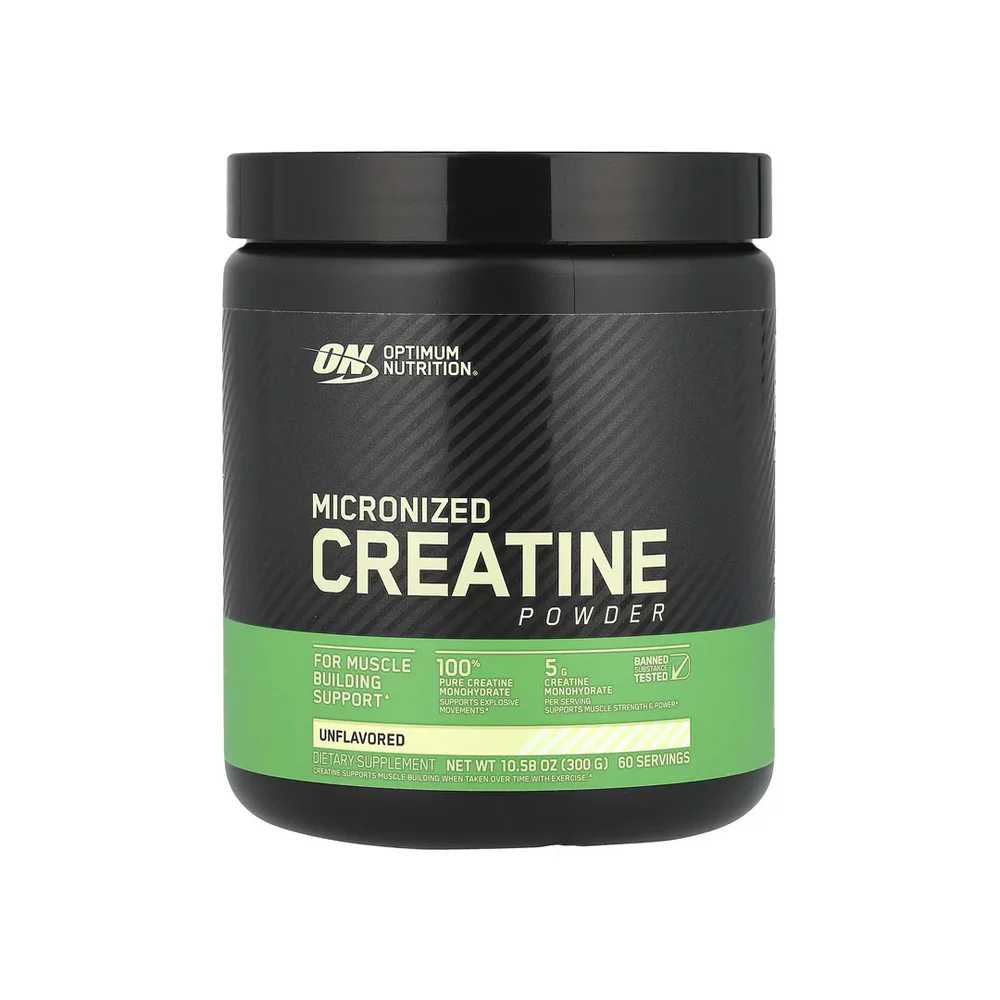
Creatine is the most studied sports supplement in history. And it is one of the most useful ones for people over 40.
Your body already makes creatine. But natural creatine levels drop about 8% every decade after age 30. By your 40s, you are running on lower fuel — and your muscles feel it during training.
Creatine helps your muscles produce energy faster during short, intense efforts — like lifting weights. This means you can lift more, do more reps, and recover faster between sets. Research from 2024 showed that 4 grams of creatine daily increased strength by approximately 10% in just one month.
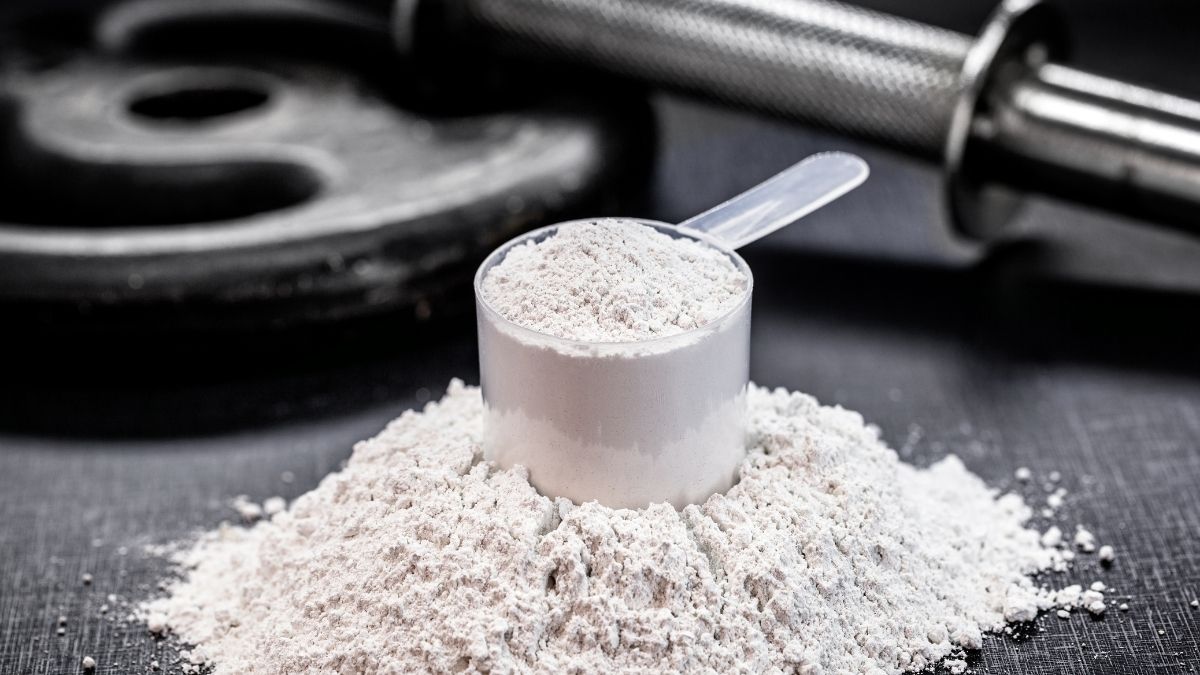
A 2025 PeerJ meta-analysis confirmed significant strength gains in middle-aged and older adults using creatine.
A July 2025 review in the Journal of the International Society of Sports Nutrition confirmed creatine also benefits lean body mass, bone health, and even cognitive function — all of which decline with age.
Women over 40 benefit too. A 2025 report from BodySpec noted that women in perimenopause may experience greater relative benefits from creatine, since their muscle mass and bone density are declining simultaneously.
Quick tips:
- Buy plain creatine monohydrate. Skip the expensive “advanced” forms — monohydrate has 30+ years of research behind it.
- Take 3–5g daily. No loading phase needed. Any time of day works.
- Give it 4–8 weeks of consistent use before judging results. Creatine is a slow builder, not an instant fix.
Habit 5: Do Cardio Smarter — Zone 2 Is Your Friend After 40

Most people over 40 are doing their cardio in a way that quietly hurts their muscle goals.
Long, hard cardio sessions repeatedly spike cortisol. They also compete with your body’s recovery resources — the same resources your muscles need after a lifting session. When you do too much high-intensity cardio alongside strength training, something has to give. Usually it is your muscle.
Zone 2 cardio is the smarter option. Zone 2 means working at 60–70% of your maximum heart rate. You are breathing harder than normal, but you can still hold a full conversation. Think brisk walking, light cycling, or an easy swim.
At this intensity, your body builds more mitochondria — the energy factories inside your muscle cells. More mitochondria means better fat burning, better endurance, and better muscle quality.
A July 2025 review from Superpower.com confirmed that Zone 2 training combined with resistance training and adequate protein preserves muscle while reducing visceral fat.
Zone 2 also reduces chronic inflammation. It triggers anti-inflammatory signals in the body that help muscle tissue recover and respond better to training.
Quick tips:
- Use the 180-minus-your-age formula for your Zone 2 heart rate target. At 45 years old, that is roughly 130–135 BPM.
- Aim for 3–4 sessions of 30–45 minutes per week. This hits the WHO’s 150-minute weekly guideline.
- Do Zone 2 on separate days from strength training when possible. This reduces cortisol interference and improves recovery quality.
Habit 6: Fight Inflammation With What You Eat Every Day

Chronic inflammation is one of the quietest destroyers of muscle after 40. It is invisible, painless most of the time, and constantly working against you.
Inflammation disrupts muscle protein synthesis. It slows recovery. It makes your body less responsive to training. And it accelerates sarcopenia — even in people who work out regularly. This is why two people can follow the same training program and get completely different results.
Omega-3 fatty acids are your first weapon. A 2025 review in the Nutrients journal specifically cited omega-3s as a muscle-protective nutrient for combating anabolic resistance in older adults.
Fatty fish like salmon, mackerel, and sardines are the best food sources. If you do not eat fish regularly, a daily omega-3 supplement of 1–2g EPA/DHA is a practical alternative.
Vitamin D is another critical nutrient. Low Vitamin D is linked directly to reduced muscle strength and higher sarcopenia risk. It is also extremely common in adults over 40, especially those who spend most of their time indoors.
Processed foods add fuel to the inflammation fire. A CNN December 2025 report made it simple: eat whole foods and limit ultraprocessed foods.
Quick tips:
- Replace one processed snack per day with a whole food protein source — Greek yogurt, hard-boiled eggs, nuts, or canned salmon.
- Get your Vitamin D levels tested. A simple blood panel tells you where you stand. Many doctors include it in routine bloodwork.
- Eat fatty fish at least 2 times per week. If that is not realistic, use a fish oil supplement with at least 1g of EPA/DHA combined.
Habit 7: Manage Stress and Build Real Recovery Into Your Week

You can train 4 days a week and eat perfectly and still lose muscle. If your stress levels are chronically high, cortisol will cancel out a lot of your hard work.
Cortisol is your body’s primary catabolic hormone. It breaks down muscle protein. It suppresses testosterone. It increases fat storage — especially around the stomach.
After age 50, evening cortisol levels rise on their own by about 19.3 nmol/L per decade, according to a January 2026 Goldman Laboratories analysis. Add everyday stress on top of that, and your hormonal environment becomes hostile to muscle.
Recovery is not extra. It is the actual point. CNN’s December 2025 strength training report said it clearly: without adequate recovery, your body cannot repair microscopic training damage or build new muscle tissue. Rest days are not wasted days. They are when you grow.
Deload weeks are a practical tool used by smart coaches. Every 4–8 weeks, cut your training volume by 40–60% for one week. This gives your nervous system and connective tissue time to recover. You will come back feeling stronger, not weaker.
Always allow at least 48 hours between sessions that train the same muscle group. That is basic physiology — not a preference.
Quick tips:
- Audit your week: Are you training the same muscle group two days in a row? Are you getting under 7 hours of sleep? Fixing these two things alone can dramatically change your results.
- Schedule one deload week every 6 weeks. Plan it in advance so it actually happens.
- Try 5 minutes of slow breathing after training — 4 seconds in, 6 seconds out. This activates your parasympathetic nervous system and actively lowers cortisol after a hard session.
Final Words,
These 7 habits are not complicated. Lift consistently. Eat enough protein. Sleep like your muscle depends on it — because it does. Take creatine. Do smarter cardio. Eat anti-inflammatory food. Manage stress and recovery.

Pick one habit today and start there. Consistency with simple habits beats perfection with complicated ones. Your muscle is worth protecting.