Experts Recommend These 6 Moves to Help Seniors Avoid Dangerous Falls
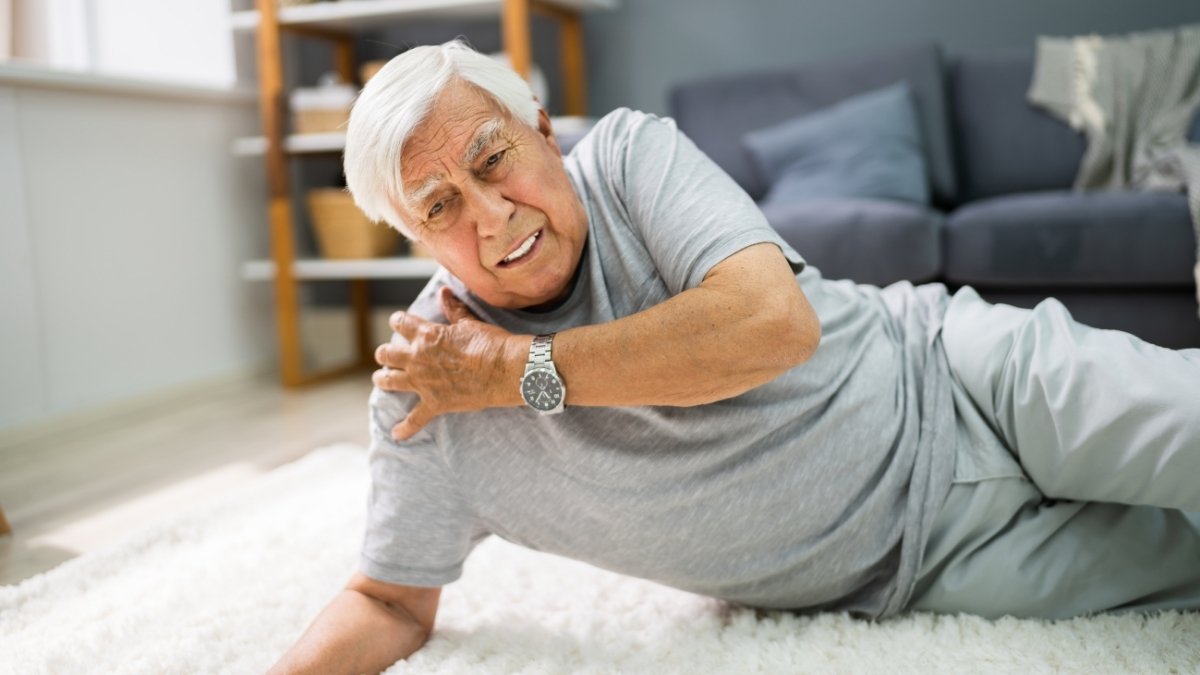
Falls are particularly dangerous in older adults because they tend to be more debilitating and it takes seniors longer to recover. Even more alarming, fall mortality rates have increased by more than 70% for those aged 65-74 in recent years. Prevention has never been more critical.
If you’re reading this, you might be dealing with a fear of falling that limits what you do each day. Maybe you’ve lost confidence in your balance and stability. You might worry about maintaining your independence at home or fear a serious injury that could change your life. These concerns are real and valid.
But here’s the good news. You can take control. In this guide, you’ll learn six evidence-based fall prevention exercises that significantly reduce your risk. We’ll show you exactly how to perform each exercise safely at home, even if you’re starting from zero.
You’ll also discover additional fall prevention strategies beyond exercise—home safety fixes, vision checks, and medication reviews that work together with physical activity.
Most importantly, you’ll know when to seek professional help and what resources are available. Balance exercises for seniors work, and they’re simpler than you think. Let’s help you prevent falls and keep doing what you love.
Why Fall Prevention Matters More Than Ever
Falls aren’t just a normal part of getting older. They’re a serious health crisis that’s getting worse. About 14 million older adults—that’s 28% of seniors—fell in 2020. And nearly 39,000 died from falls in 2021. These aren’t just numbers. They’re parents, grandparents, and friends who lost their independence or their lives.
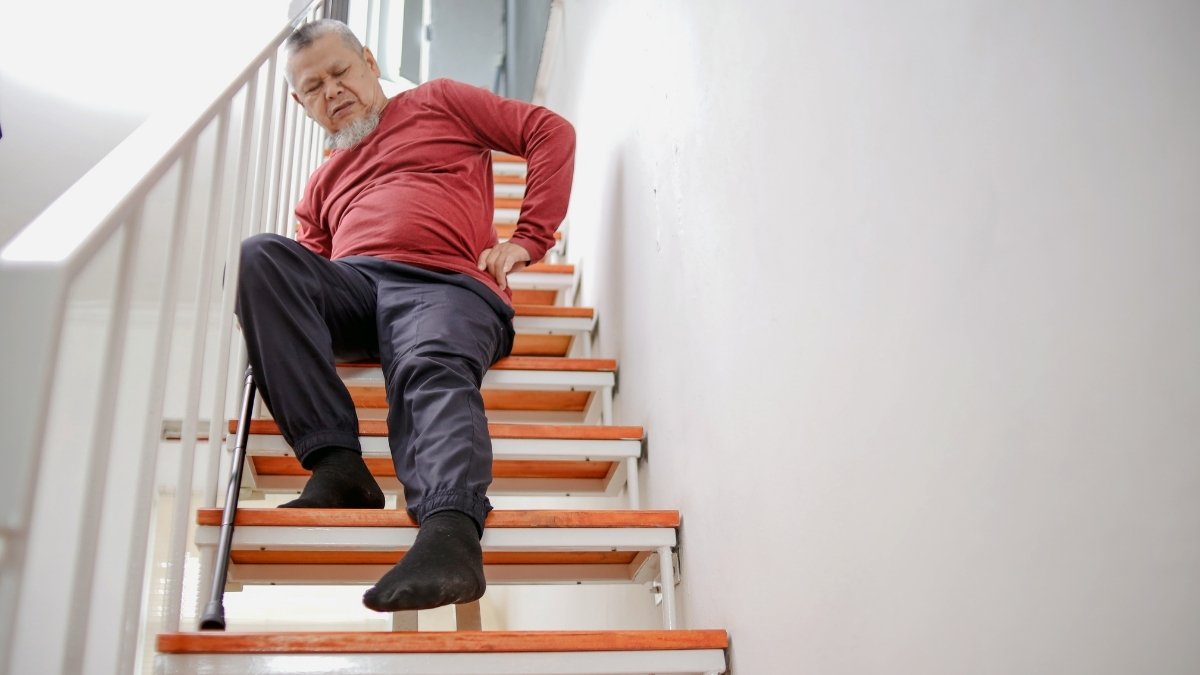
The death rate keeps climbing. In 2023, almost 70 out of every 100,000 adults over 65 died from falls. That’s higher than it’s ever been. More than 3 million seniors end up in emergency rooms each year because they fell. Think about that. Every day, thousands of older adults are rushed to the hospital after a fall at home.
Hip fractures are especially deadly. In 2019, falls caused 83% of all hip fracture deaths. Falls also led to 88% of emergency room visits for broken hips. When a senior breaks a hip, life changes fast. Many never fully recover.
The money tells the story too. In 2022, we spent $80 billion treating fall injuries. By 2030, that number will hit $101 billion. But the real cost? It’s measured in lost independence and fear.
Here’s what makes this worse. Your muscles naturally shrink as you age. After 50, you lose about 1% of your muscle mass every year. By 80, you could lose half your muscle strength. Weaker muscles mean worse balance. Worse balance means higher fall risk for older adults.

But there’s good news. Falls aren’t something you just accept. They’re preventable. Research shows that the right exercises can cut your fall risk significantly. Simple strength and balance training works. Home safety changes work. Vision checks and medication reviews work.
You don’t have to live in fear of falling. You can take control. The seniors who do these fall prevention steps stay independent longer. They keep doing what they love. And they avoid the hospital visits, the broken bones, and the life-changing injuries that falls cause.
The 6 Expert-Recommended Exercises to Prevent Falls
You can’t stop every fall from happening. But exercises that build balance and strength can seriously lower your risk. These six moves come straight from physical therapists and trusted health organizations like Johns Hopkins Medicine, Kaiser Permanente, and the CDC. They work because they target the exact muscles and skills you need to stay steady on your feet.
Exercise #1: Single-Leg Stance
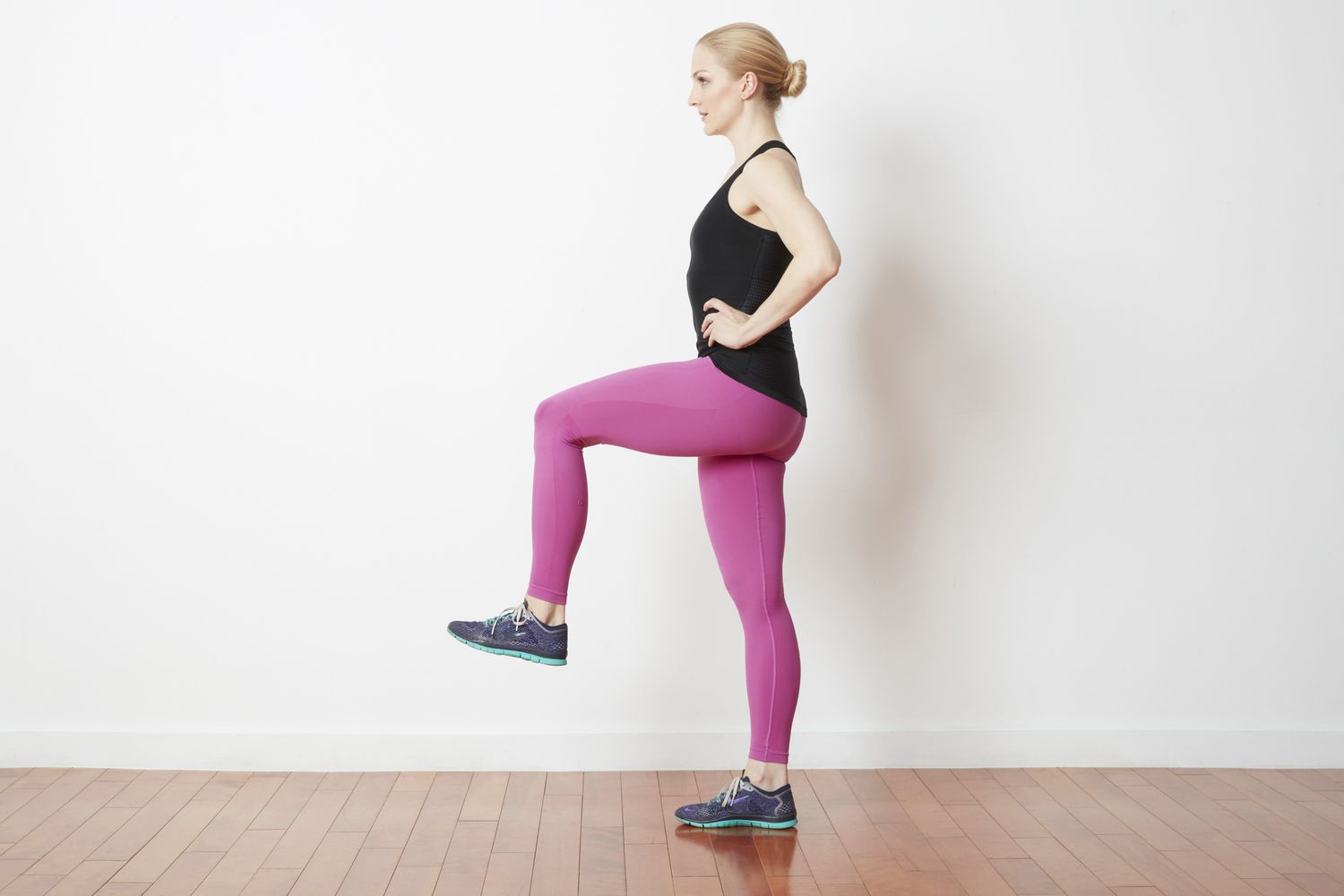
What it does: Improves balance one leg at a time. Builds confidence in standing stability. Easy on your joints.
How to do it:
- Stand near a sturdy chair or counter for support
- Lift one foot slightly off the floor and hold for 10-15 seconds
- Switch to the other leg and repeat
- Do 2-3 sets on each leg
Safety tips: Start holding the chair with both hands. Progress to one finger, then no support. Focus on a fixed point ahead for balance. If you feel wobbly, put your foot down.
Why this works: You balance on one leg every time you walk. This exercise strengthens that exact skill.
Exercise #2: Sit-to-Stand
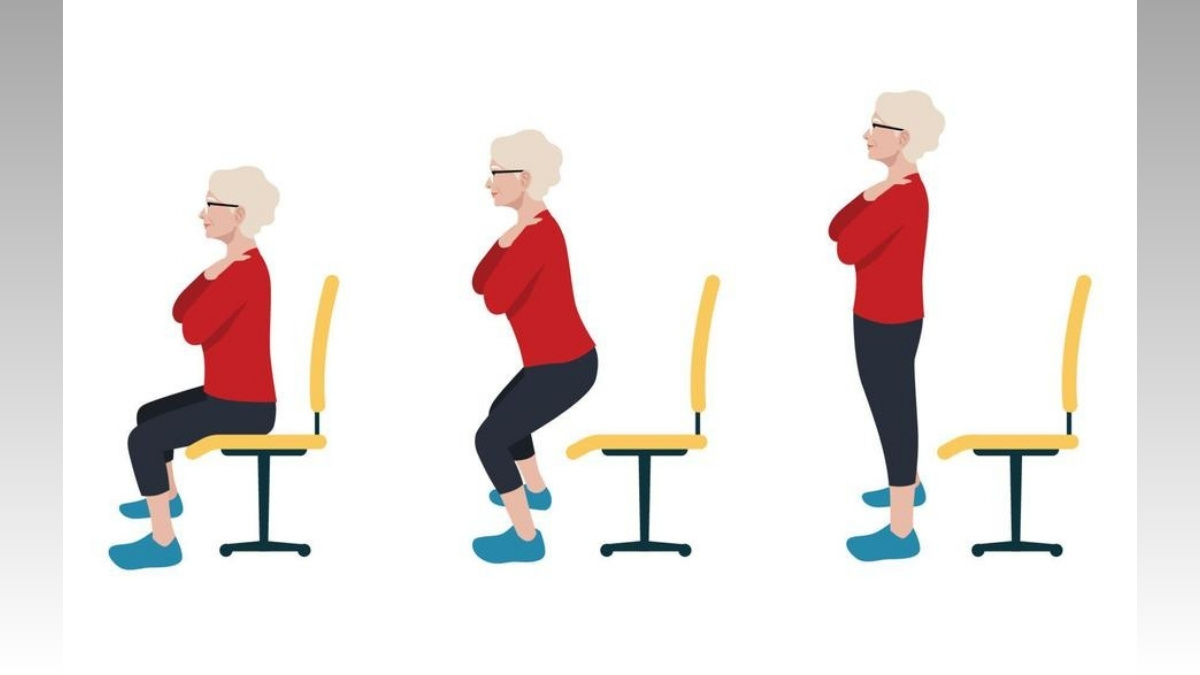
What it does: Builds leg strength. Improves how your body moves from sitting to standing. Helps with daily activities like getting off the toilet or out of a chair.
How to do it:
- Sit on a sturdy chair with feet flat on the floor, shoulder-width apart
- Lean forward slightly and stand up without using your hands
- Stand fully upright, then lower back down slowly
- Repeat 10-15 times
Modifications: Use your hands on armrests if needed. Put a cushion on the seat to make it higher and easier. Progress to crossing your arms over your chest.
Why this works: Strengthens your quadriceps and glutes—the exact muscles that prevent falls and catch you when you stumble.
Exercise #3: Heel-to-Toe Walk
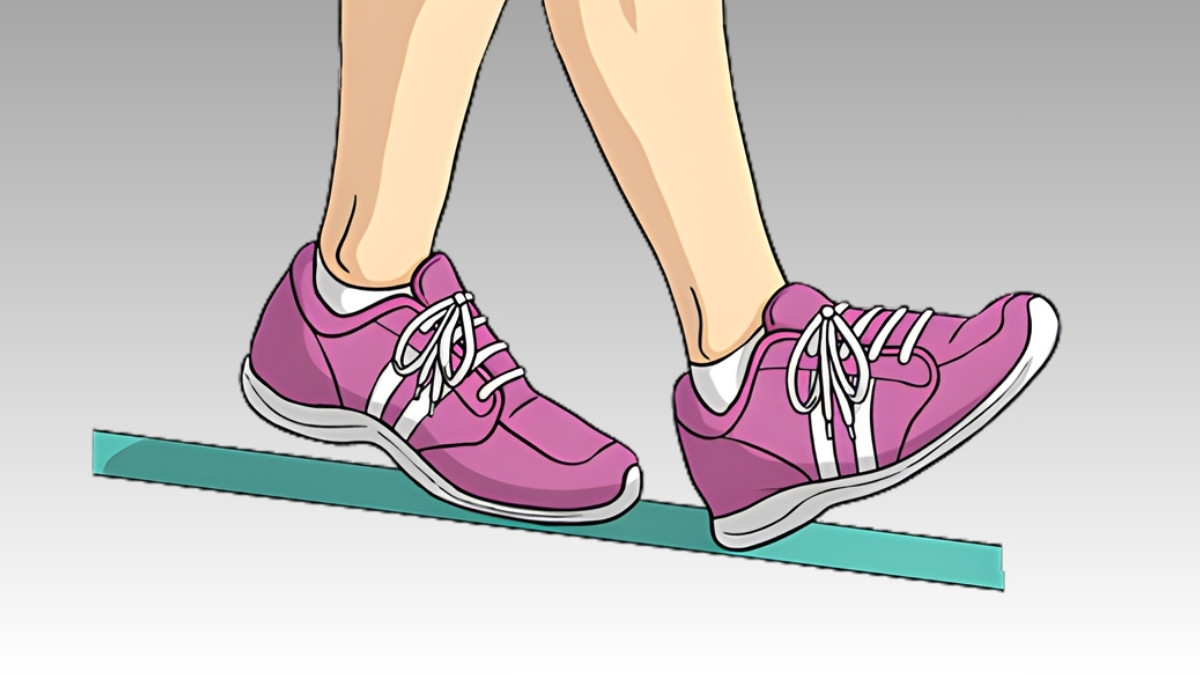
What it does: Improves balance while moving. Strengthens your center of gravity and walking posture.
How to do it:
- Stand in a hallway near a wall for support
- Place your right heel directly against your left toes
- Step forward, placing your left heel against your right toes
- Walk forward 10-15 steps in this heel-to-toe pattern
- Do 2-3 sets
Safety tips: Use the wall for support when needed. Look ahead, not down at your feet. Wear supportive shoes with good grip.
Why this works: This tight walking pattern forces your balance system to work harder. It strengthens ankle and foot muscles that keep you upright on uneven surfaces.
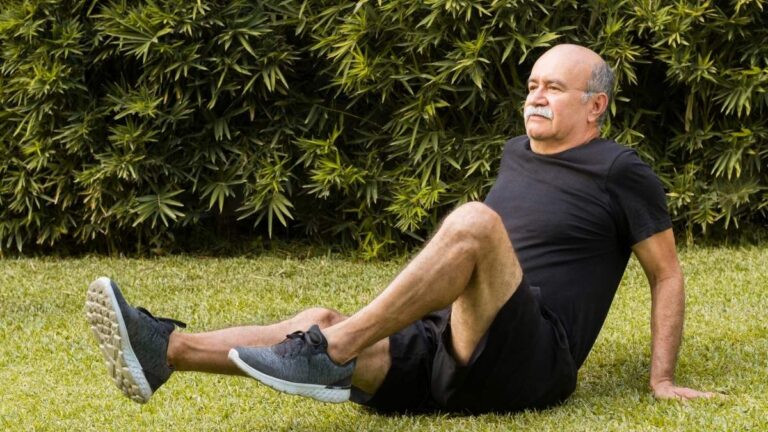
Exercise #4: Marching in Place
What it does: Increases core stability. Improves balance on one foot. Adds low-impact cardio without joint stress.
How to do it:
- Stand with a chair in front and wall behind for support
- Stand with feet slightly apart, arms at your sides
- Lift your right knee toward the ceiling
- Lower it and immediately lift your left knee
- Keep alternating legs for 30-60 seconds
- Do 2-3 rounds
Progression: Start with low knee lifts. Gradually lift higher each week. Add arm swings when comfortable. Increase time as you get stronger.
Why this works: Your core muscles stabilize you every time you lift a leg. This trains the same weight-shifting skill you use when walking.
Exercise #5: Heel Raises
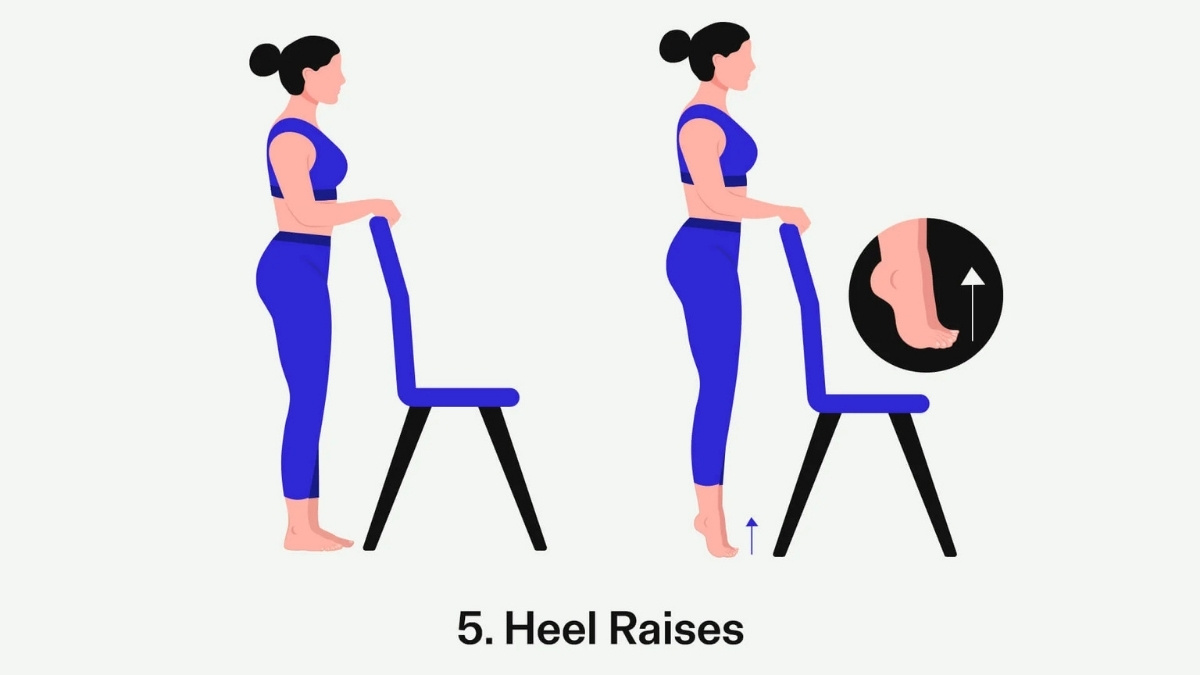
What it does: Strengthens calf muscles and improves ankle stability. Helps you catch yourself if you trip.
How to do it:
- Stand behind a sturdy chair, holding it with both hands
- Place feet flat on floor, shoulder-width apart
- Bend your knees slightly (don’t lock them)
- Slowly lift your heels off the floor, rising onto the balls of your feet
- Hold for 2 seconds at the top
- Lower heels back down slowly
- Do 10-15 reps, then rest and repeat for a second set
Advanced option: Rock back onto your heels with toes off the ground and hold for 10 seconds. Or try single-leg heel raises once this feels easy.
Why this works: Strong calves act like springs when you walk, preventing shuffling. Strong ankles adjust quickly when you step on uneven ground.
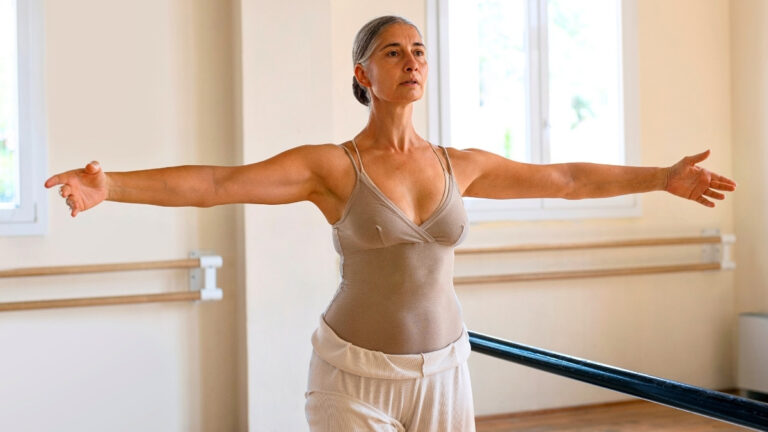
Exercise #6: Tai Chi Movements
What it does: Reduces falls by 23% according to research. Improves strength, coordination, and body awareness through slow, controlled movements.
Why it works: Strengthens deep spine-supporting muscles for better posture and balance. Trains your brain to control your body precisely. Every movement practices weight-shifting and balance in motion.
How to get started:
- Look for beginner Tai Chi classes at local senior centers or wellness clinics
- Search “beginner Tai Chi for seniors” videos online
- Start with 10-minute sessions twice weekly
- Focus on slow movements and breathing
- Practice basic weight-shifting and arm raises
What to expect: Movements are slow and flowing. No jumping or fast movements. You control the pace. Repetition builds muscle memory. Even simple movements deliver fall prevention benefits.
The beauty of Tai Chi: Beginners and advanced practitioners can do the same class at different levels. It grows with you.
Creating Your Fall Prevention Exercise Routine

Six exercises sound like a lot. You’re probably wondering how to fit them all in. The good news? You don’t have to do everything at once. Start small and build from there.
The CDC recommends 150 minutes of aerobic exercise each week plus 2 days of strength training. That sounds overwhelming. But break it down and it’s just 30 minutes of walking five days a week, plus two days of the balance exercises you just learned.
Week 1-4: Getting Started

Start with just 2 or 3 exercises. Pick the ones that feel most doable. Spend 5 minutes a day on them. That’s it. Monday, do your exercises. Tuesday, take a 10-minute walk. Wednesday, exercises again. Thursday, walk. Keep alternating. This pattern prevents burnout and gives your muscles time to recover.
Write down your plan. Seriously. People who write down their exercise goals stick with them longer. Use a calendar or notebook. Check off each day you complete. Those checkmarks become motivation.
Week 5-8: Building Up
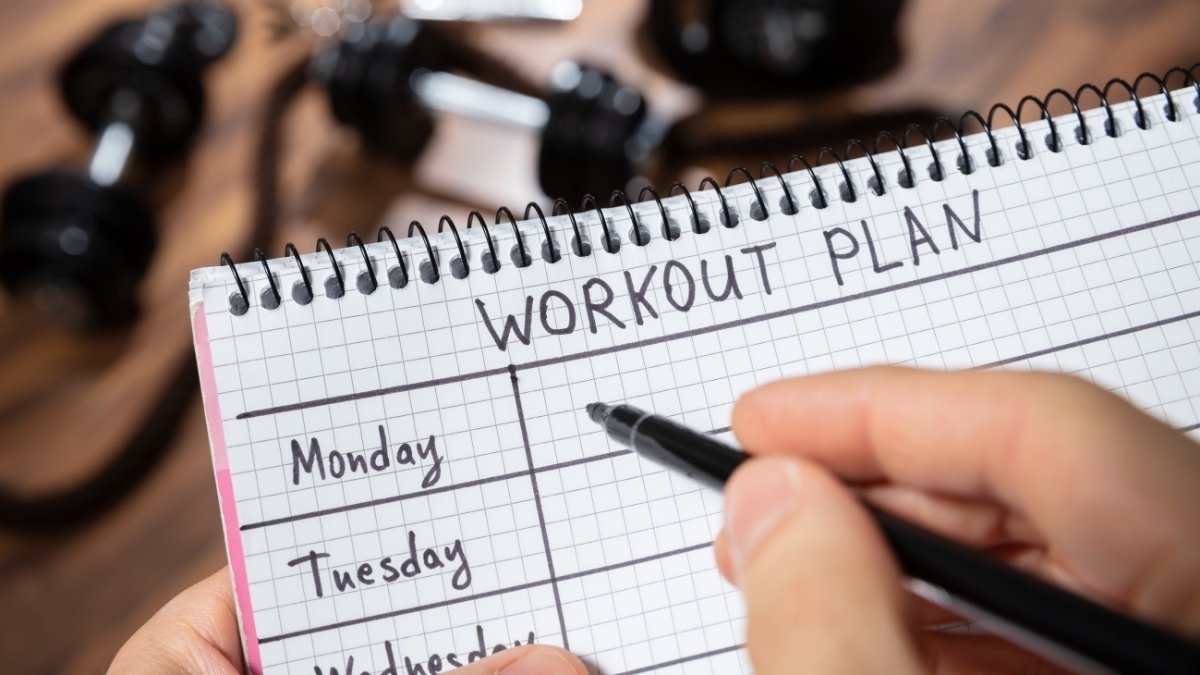
Add one new exercise each week. By week 8, you’ll be doing all six. Increase your time to 15-20 minutes per session. Your walks can stretch to 20-30 minutes if that feels good. Aim for 4-5 exercise days weekly.
Signs you’re ready to advance:
- You can do an exercise without holding on for support
- The movement feels easier than it did two weeks ago
- You’re not sore or exhausted the next day
- You feel more confident in your balance
When to get professional help:
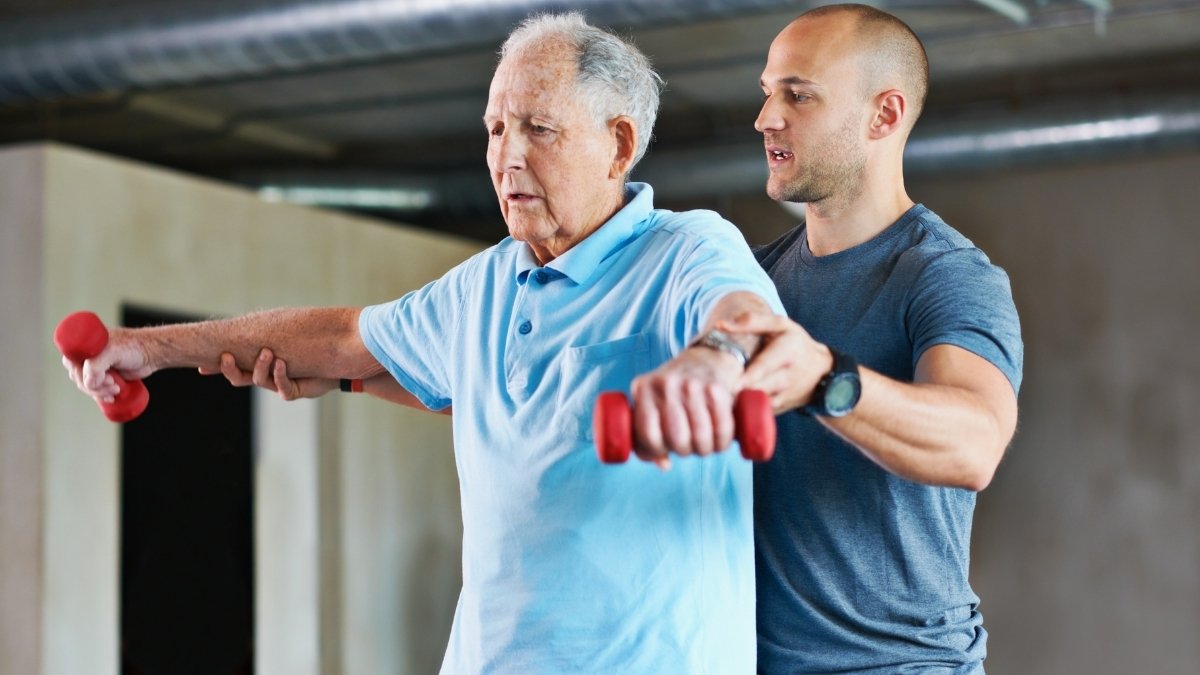
If you’ve fallen in the past 6 months, talk to a physical therapist before starting. If you feel dizzy during exercises, stop and call your doctor. If you have severe arthritis or a recent surgery, get guidance first. Physical therapists can create a personalized fall prevention program that matches your specific needs.
Remember this: Consistency beats intensity every single time. Five minutes every day helps more than an hour once a week. Your balance training schedule works when you actually do it, not when it sits perfect on paper.
Beyond Exercise: Essential Fall Prevention Strategies
Exercise builds strength and balance. But over half of all falls happen at home. You need to fix the hazards in your house too. Think of it as a two-part plan: strengthen your body and fix your space.
Get your eyes and medicine checked

Book an eye exam every year. Blurry vision throws off your balance more than you realize. Update your glasses when your vision changes. Don’t keep wearing old prescriptions because they’re “good enough.” They’re not.
Review all your medicines with your doctor or pharmacist. Some medications make you dizzy or sleepy. Some combinations are dangerous. Bring every pill bottle to your appointment, including over-the-counter stuff. Your doctor needs to see the full picture.
Fix your bathroom first
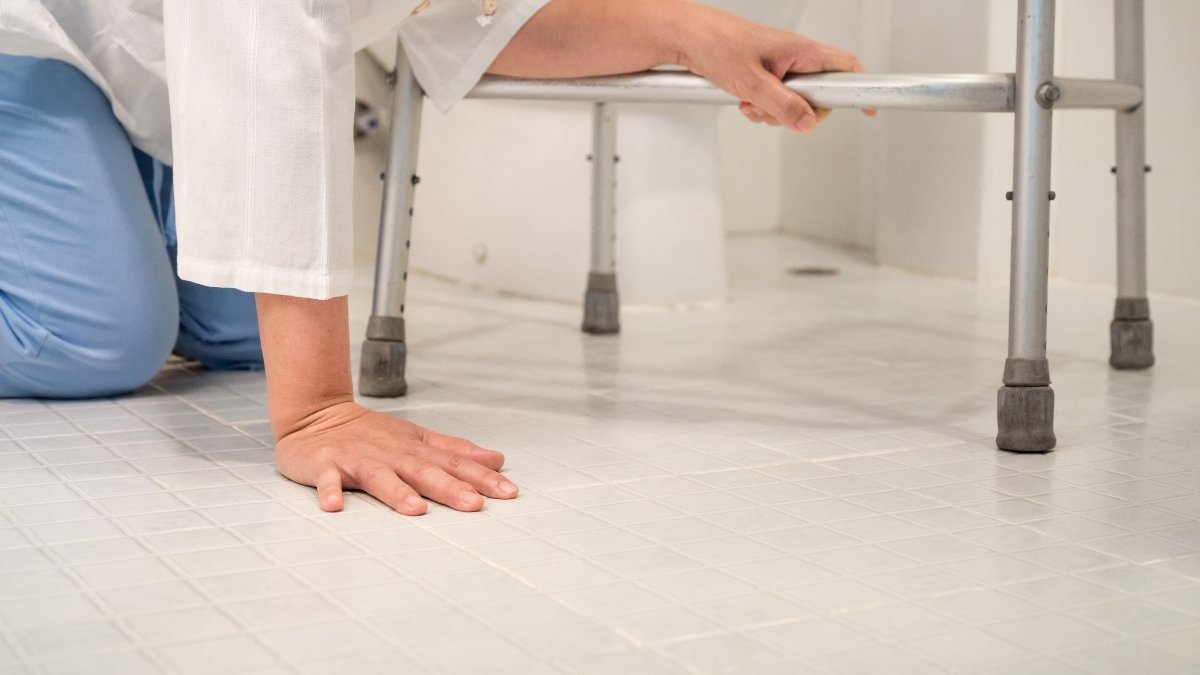
Here’s a scary fact: Over 80% of home falls happen in the bathroom. Wet floors plus hard surfaces equal serious injuries. Make these changes this week, not someday.
Install grab bars in your shower and next to the toilet. Not towel bars. Those rip out of the wall. Real grab bars bolt into the wall studs. A study found that homes with grab bars saw a 30% reduction in fall-related injuries. Buy a shower seat, a grab bar, and an adjustable handheld shower head. These three items together cost less than one emergency room visit.
Put non-slip mats in the tub and on the floor. Replace any bath mats that slide around. Use motion-activated night lights so you can see when you get up at night.
Make home safety changes room by room
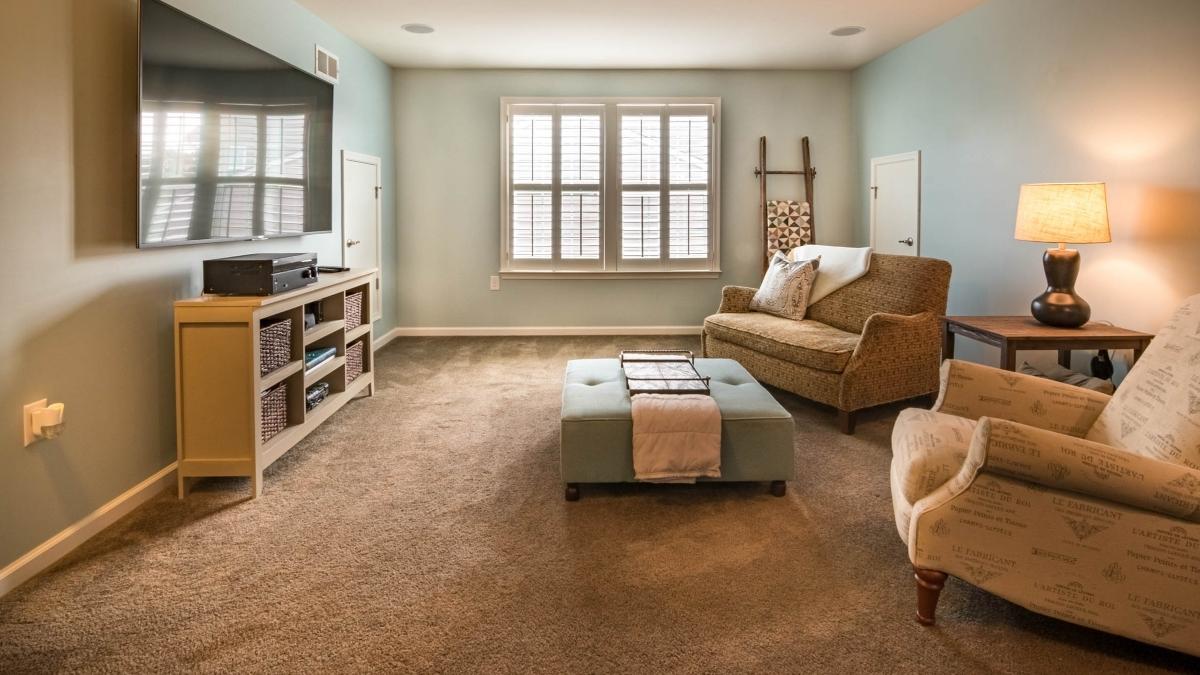
Install handrails on both sides of your stairs. Mark the first and last step with bright tape so you can see them clearly. Secure all carpets and rugs firmly to the floor with double-sided tape or non-slip pads. Better yet, remove throw rugs completely.
Use motion-activated lights that plug into outlets. Put them in hallways, bathrooms, and near stairs. You want light the second you enter a room, not after you fumble for a switch. Keep commonly used items in easy-to-reach places. No more climbing on step stools or bending way down to the bottom shelf.
Change what you wear on your feet
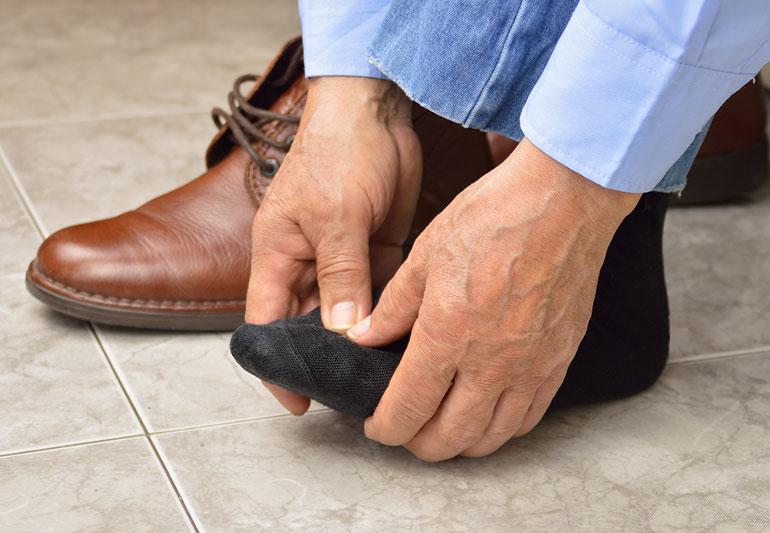
Always wear shoes with non-slip soles, even inside your home. Yes, even at home. Don’t walk barefoot. Don’t wear slippers with smooth soles. Those fuzzy slippers are fall hazards. Get supportive shoes with rubber soles and wear them all day.
Slow down your movements

When you get out of bed or stand up from a chair, move slowly. Sudden movements can make you dizzy. Sit on the edge of the bed for a few seconds before standing. Let your blood pressure adjust. This simple habit prevents a lot of falls.
Small changes add up fast. Fix one room this week. Add grab bars next week. Replace your slippers the week after. Before you know it, your home becomes a safer place and your fall prevention plan is working.
Take Action Today;
Falls are preventable. You’ve learned that today. The six exercises you read about form the foundation of fall prevention. Practice them consistently, and they’ll make you stronger and more stable.
But remember: consistency matters more than perfection. You don’t need to do everything perfectly. You just need to keep showing up. Start with one exercise today. Just one. Pick the easiest one and do it right now.

Here’s your action plan for this week. Schedule an eye exam and a medication review with your doctor. Walk through your home and look for fall hazards. Fix at least one thing—add a nightlight, remove a throw rug, or order grab bars. Talk with your primary care provider about your health conditions and any medications that might cause dizziness.
By incorporating these fall prevention exercises into your daily routine and addressing home safety concerns, you can significantly reduce your risk and maintain the independence you value. You’ve got this. Small steps lead to big changes.