Over 50? Do This Physical Therapist’s 6-Move Routine to Prevent the Falls That Kill 30,000 Seniors Yearly

One in four adults over 65 will fall this year, and the result can change a life fast. That thought keeps many people up at night. You may feel steady today, but the risk often shows up without warning. And here’s why that matters.
Falls killed over 38,000 older adults in 2021. They cause 3 million emergency visits each year and cost about $80 billion. The fear alone steals freedom. Many people stop walking, reaching, or going out. Most don’t know they’re at risk until the first fall happens.
This guide shows what you can do now. You’ll learn proven fall prevention exercises and balance exercises for seniors used by physical therapists.
You’ll see the exact 6 moves from the Otago Exercise Program, why they work, how to do them safely at home, and when to move forward. You’ll also learn extra ways to stay steady and independent.
Hidden Risks
Why Falls HappenThe Silent Drop
Muscle strength drops 3–8% each decade after 30. Vision, inner ear, and reflexes weaken slowly.
Everyday Triggers
Reaching for produce, tripping on throw rugs, or stairs. Falls happen even on “good” days.
The 6-Move Physical Therapist Routine (With Step-by-Step Instructions)

Falls often happen during simple moves, like standing up. This routine fixes that problem. These six exercises come from the Otago Program used by physical therapists.
Start with 5 reps each. Build up to 10–15 as you get stronger. Do this routine 3 times per week. Rest at least one day between sessions.
Exercise 1: Chair Stands (Sit-to-Stand)
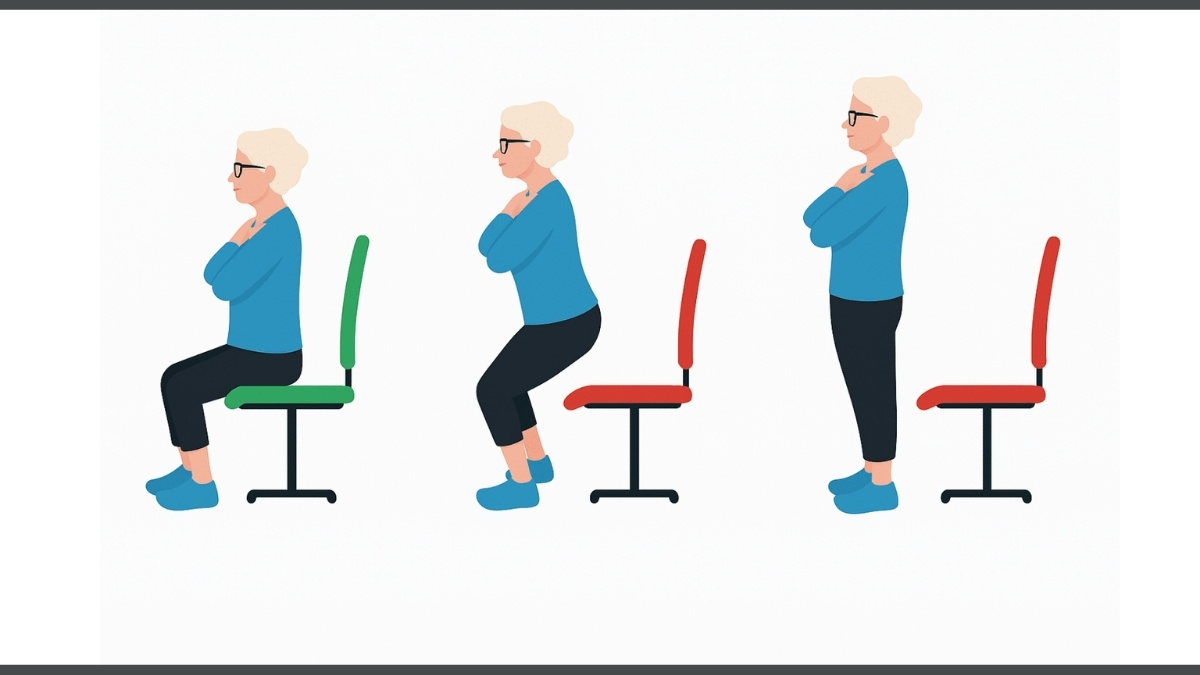
Standing up safely is where many falls begin. This chair stands exercise builds leg strength so you can rise with control. Strong legs protect you during daily tasks. And that matters.
Sit in a sturdy chair with feet flat on the floor. Cross your arms over your chest. Lean forward a little. Push through your heels to stand up. Stand tall for a moment. Then lower yourself back down slowly. That slow part builds strength. Repeat 5 to 10 times.
Try not to use your hands. If that’s too hard, use the armrests at first. Move slowly as you get stronger. Slower reps make this sit to stand exercise more effective. You should feel effort, not pain. If it hurts, stop and rest.
Exercise 2: Single-Leg Stance (Build Balance You Can Trust)
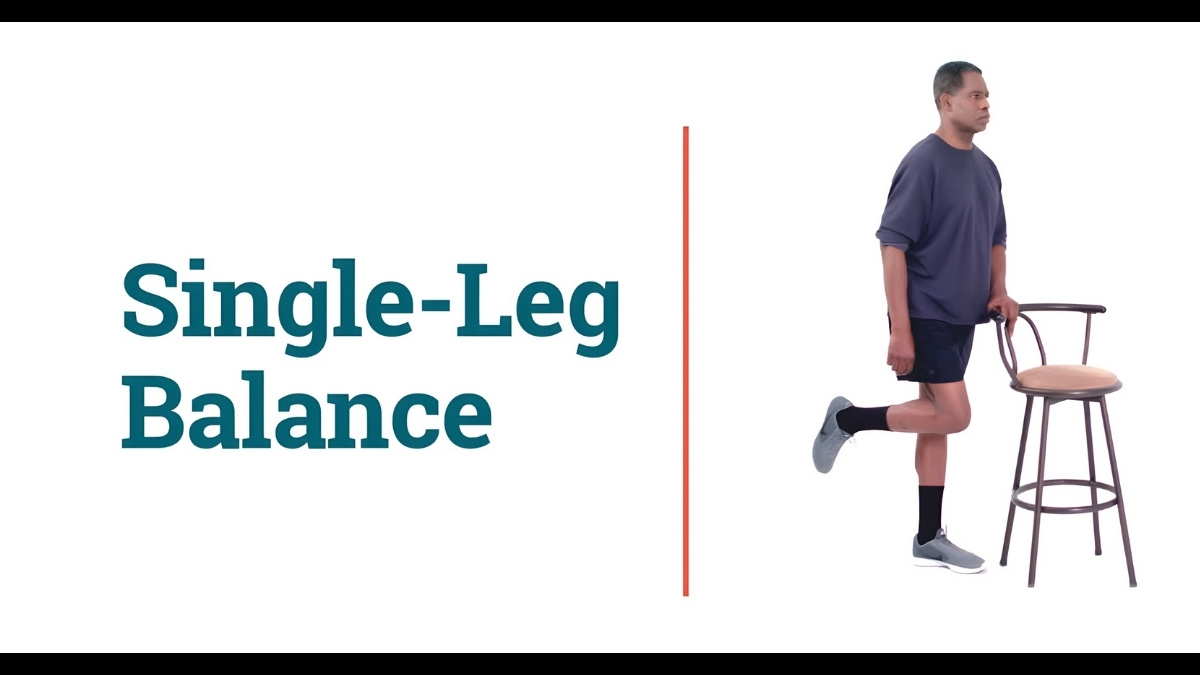
Losing balance often happens when you’re on one foot. This balance exercise fixes that problem. The single leg stance trains your body to know where it is in space. That skill keeps you upright during daily moves.
Stand behind a sturdy chair and hold the back. Lift your right foot off the floor. Hold for 5 to 10 seconds. Lower your leg with control. Switch sides. Do 5 reps on each leg.
Start smart. In weeks 1–2, use both hands.
Weeks 3–4, use fingertips.
Week 5 and up, use one hand. Go hands-free only when steady.
Keep your standing knee slightly bent. Look straight ahead, not down. Move up only when you feel fully in control. Balance improves fast when you stay patient.
Exercise 3: Heel-to-Toe Walk (Steadier Walking in Real Life)
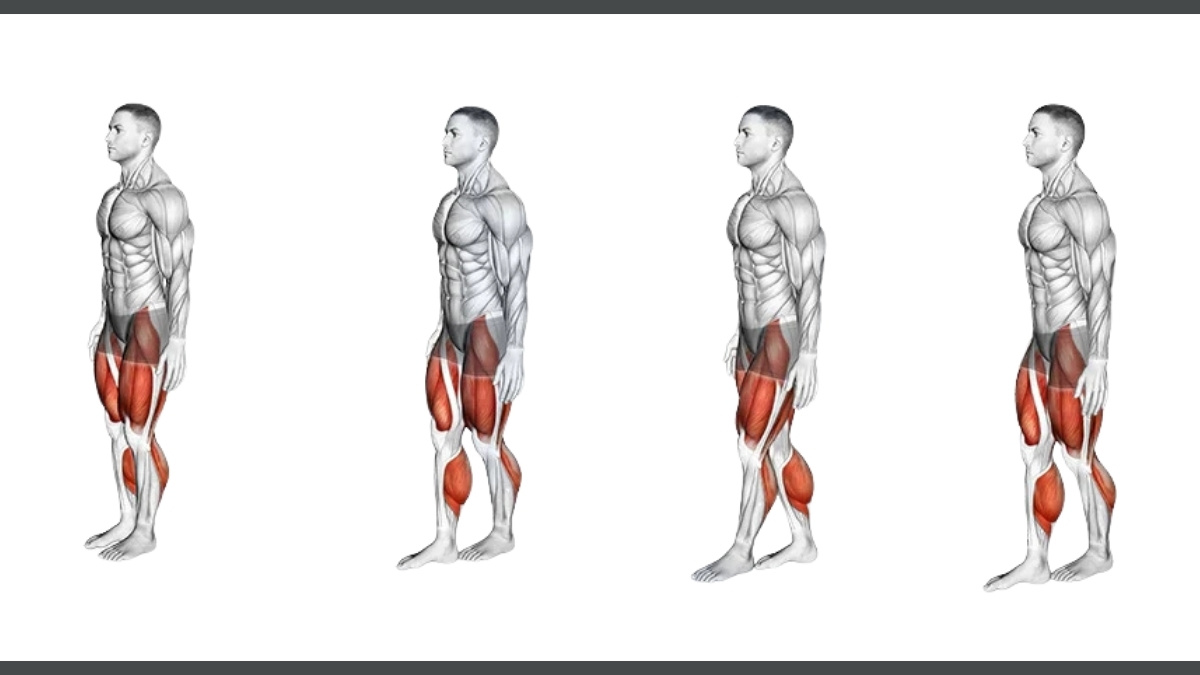
Many falls happen while walking, not standing still. This exercise fixes that. The tandem walk trains balance while you move. Heel to toe walking helps you stay steady in tight spaces.
Stand next to a wall or counter. Place your right heel right in front of your left toes. Step forward and place your left heel to your right toes. Keep going for 10 to 20 steps. Turn around and walk back normally. Repeat 5 times.
Think of walking on a tightrope. Keep your head up and eyes forward. Use the wall only if you start to tip. If it feels too hard, leave a small gap between heel and toes. This builds control without fear.
Exercise 4: Side Leg Raises (Stop Sideways Falls)
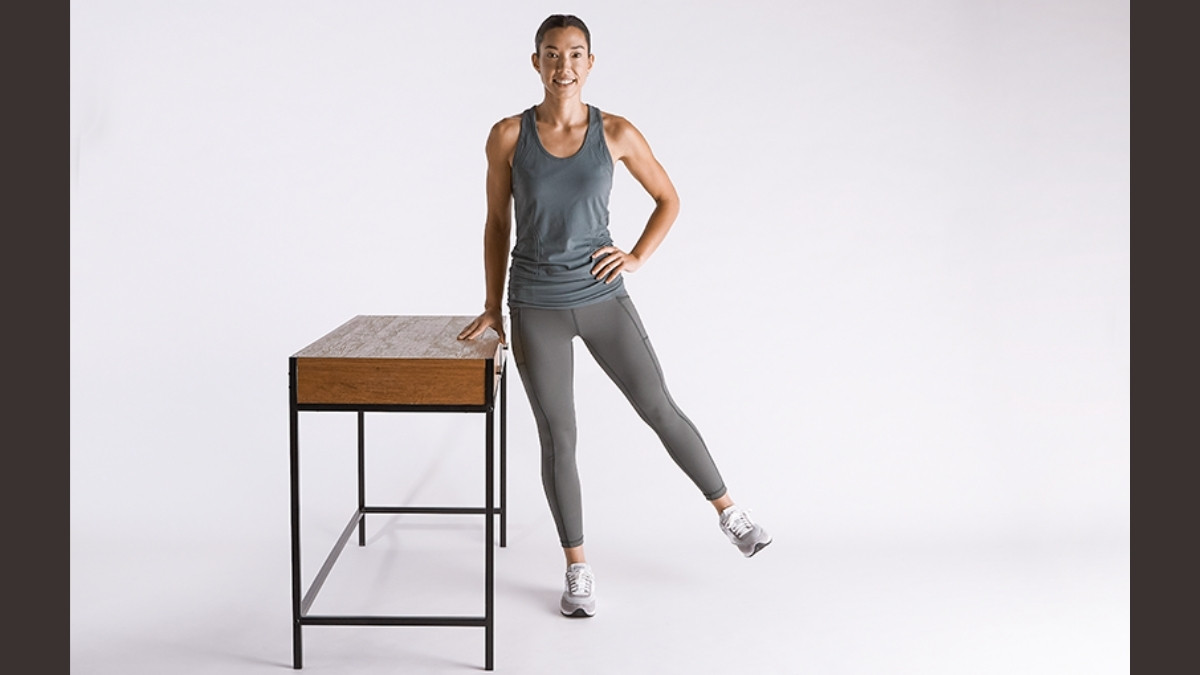
Sideways slips are common and scary. Side leg raises help stop them. This move builds hip strengthening muscles that catch you when you stumble.
Stand behind a chair and hold on. Keep your standing leg slightly bent. Lift your right leg straight out to the side, about 6 to 12 inches. Hold for 1 to 2 seconds. Lower slowly. Do 10 reps. Switch legs.
For weeks 1 to 4, use no weights. After week 5, add 1–2 pound ankle weights if steady.
Don’t lean your body. Keep toes pointing forward. Tighten your core as you lift. You should feel the side leg raise working in your outer hip and thigh. That strength keeps you upright when life pushes sideways.
Exercise 5: Calf Raises (Heel Raises) — Stronger Ankles for Safer Steps
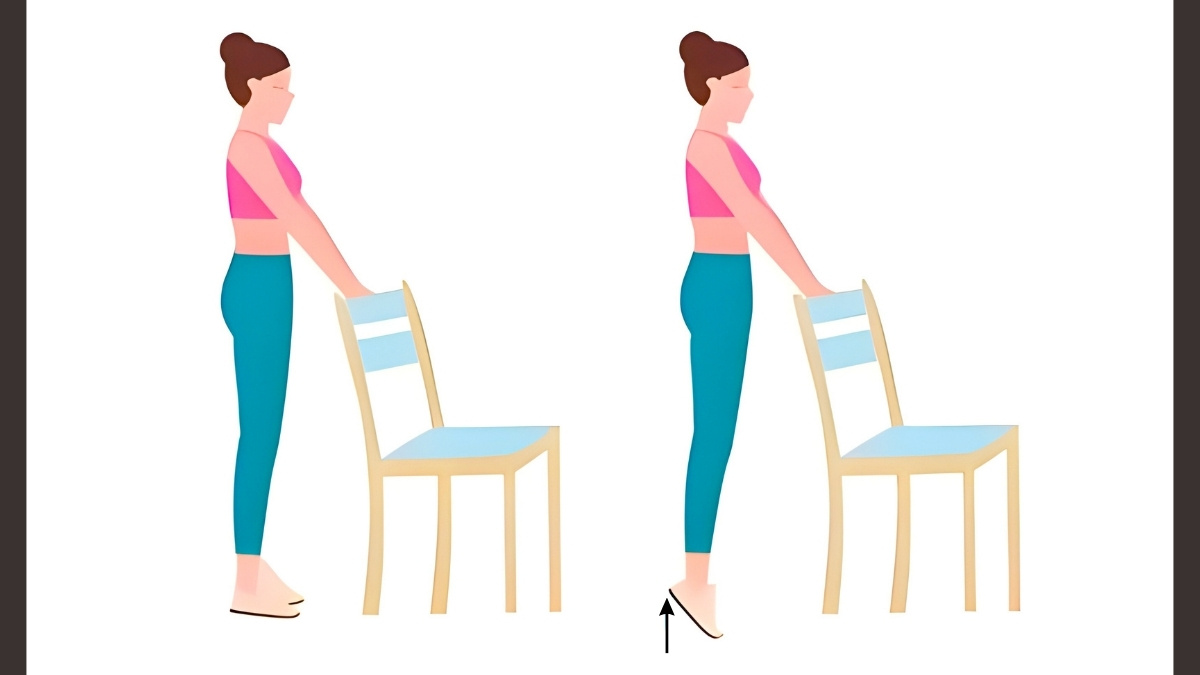
Weak ankles make walking feel risky. This move fixes that. Calf raises build ankle strength and control, which helps you push off the ground without wobbling. And here’s why that matters.
Stand facing a chair and hold the back. Rise up onto your toes as high as you can. Hold for two seconds. Lower your heels slowly to the floor. Repeat 10 to 15 times.
Start with both hands on the chair. When steady, use fingertips. Later, try with no hands. For a challenge, lift one leg and do single-leg calf raises.
Keep your legs straight but not locked. Go as high as possible each time. Lower slowly to stay in control. Don’t bounce. This ankle strengthening move works best when calm and steady.
Exercise 6: Knee Lifts (Marching in Place) — Safer Stairs and Fewer Trips
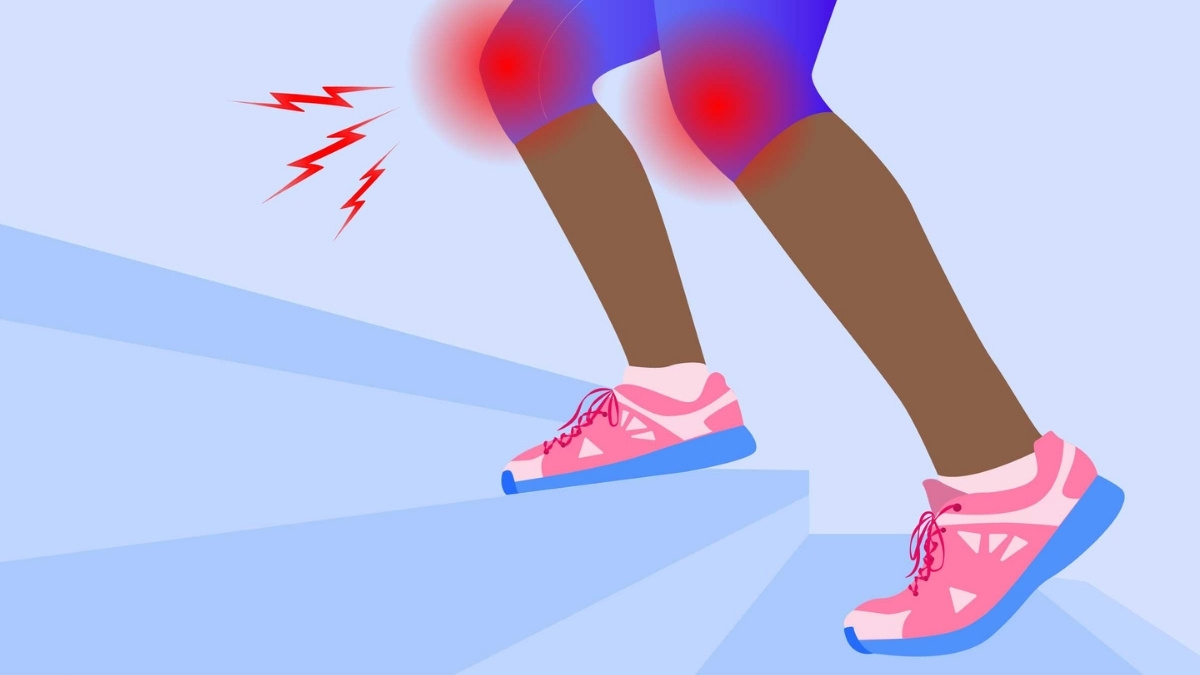
Stairs and curbs cause many falls. Knee lifts help prevent that. This marching exercise builds hip strength and timing so your feet clear obstacles.
Stand with one hand on a chair or counter. Lift your right knee toward your chest. Try to reach hip height if you can. Hold for two seconds. Lower your leg. Switch sides. Keep going until you reach 20 reps total.
If standing feels hard, start seated. Then move to standing with support. Later, try with no hands. Add ankle weights only when steady.
Lift your knee as high as feels safe. Stand tall through your spine. Tighten your core slightly. Breathe normally. These knee lifts make daily steps feel easier and safer.
Walking Guide
The Routine
2x per week, up to 30 mins. Start with 10–15 mins.
The Terrain
Stick to flat, even ground. Avoid hills & crowds early on.
Smart Support
Use a cane or walker if suggested. It’s smart, not weak.
Reduces falls by 35–40%.
Your 12-Week Progression Plan (A Safe Way to Get Stronger)
Many people rush and get hurt. This plan helps you avoid that. It shows how to move forward with control.
Weeks 1–2 focus on form. Do 5 reps with two hands for support, 2–3 times per week.
Weeks 3–4 add challenge. Do 7–8 reps, use fingertips, and walk twice weekly for 15 minutes.
Weeks 5–8 build strength. Do 10 reps, use one hand, walk 20–25 minutes, and add light weights if safe.
Weeks 9–12 push carefully. Do 10–15 reps, try no hands, and walk 30 minutes.
Physical therapists agree. Go slow. Confidence matters more than speed.
Beyond Exercises: 5 Essential Home Safety Modifications That Stop Falls

You can exercise and still fall at home. That’s what scares many people at night. Most falls happen in familiar rooms, not outside. The good news is this is fixable. Home safety for seniors plus exercise gives the best protection.
1) Fix the lighting first.
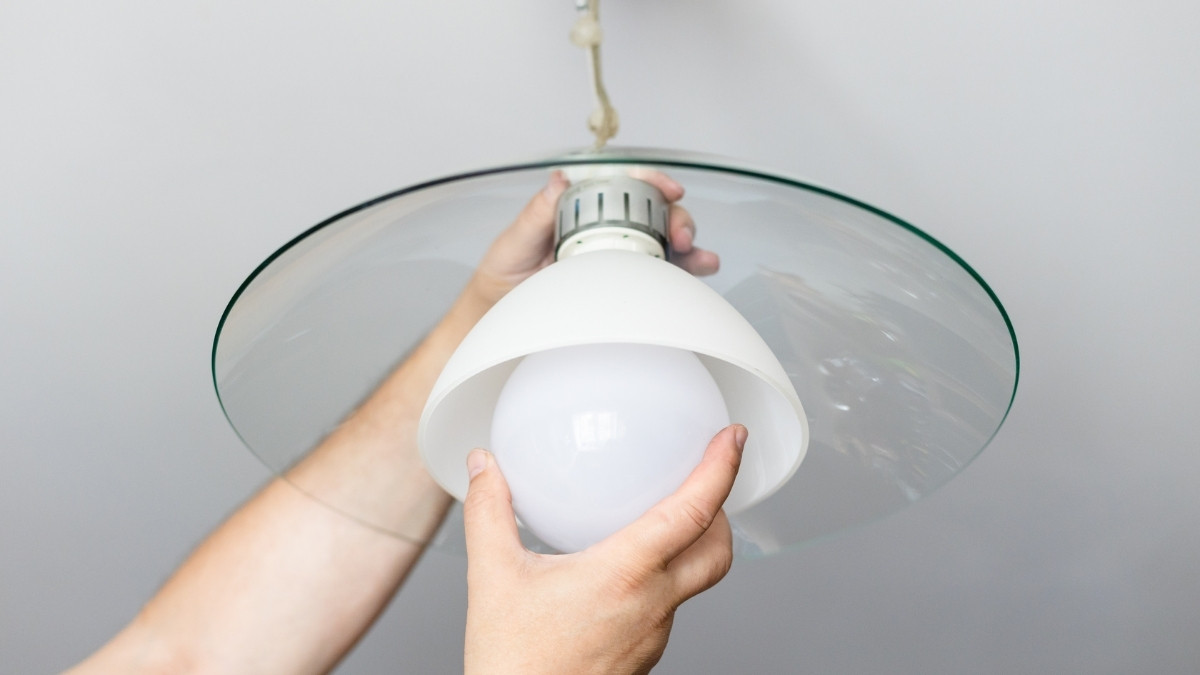
Dark rooms hide danger. Add nightlights in halls, bathrooms, and bedrooms. Use brighter bulbs to cut shadows. Keep a flashlight by your bed for power outages.
2) Remove tripping hazards.
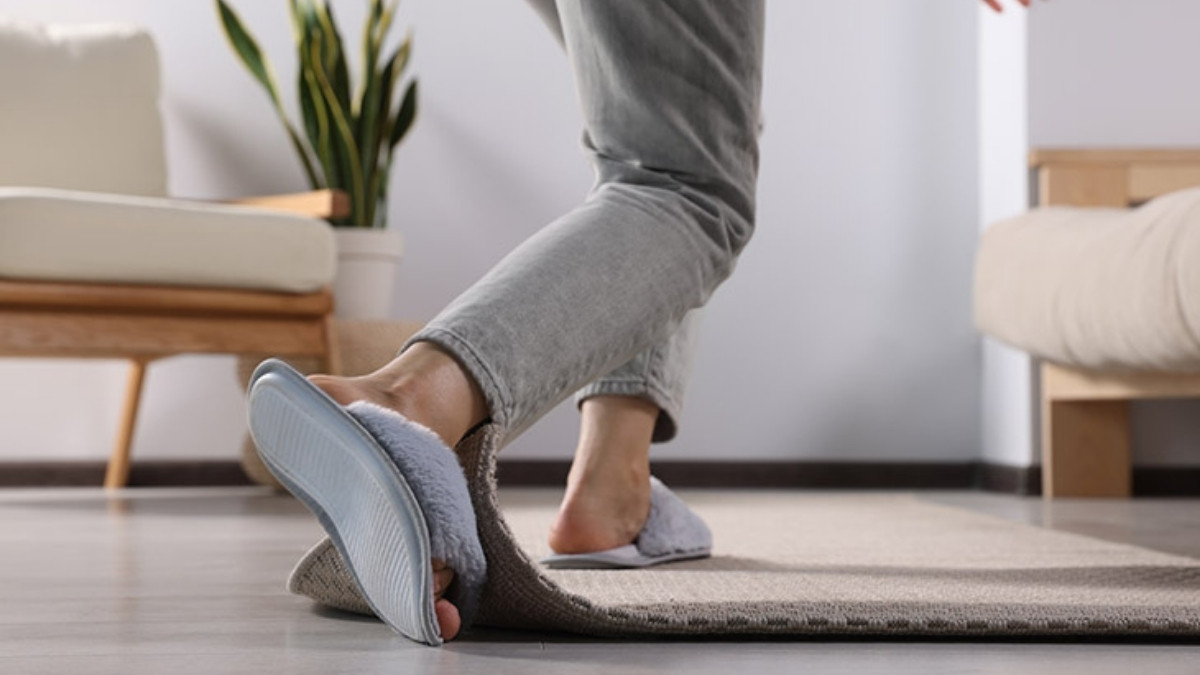
Loose rugs cause sudden slips. Secure them or remove them. Clear cords from walkways. Keep stairs free of shoes, bags, and clutter.
3) Install grab bars where you need them.
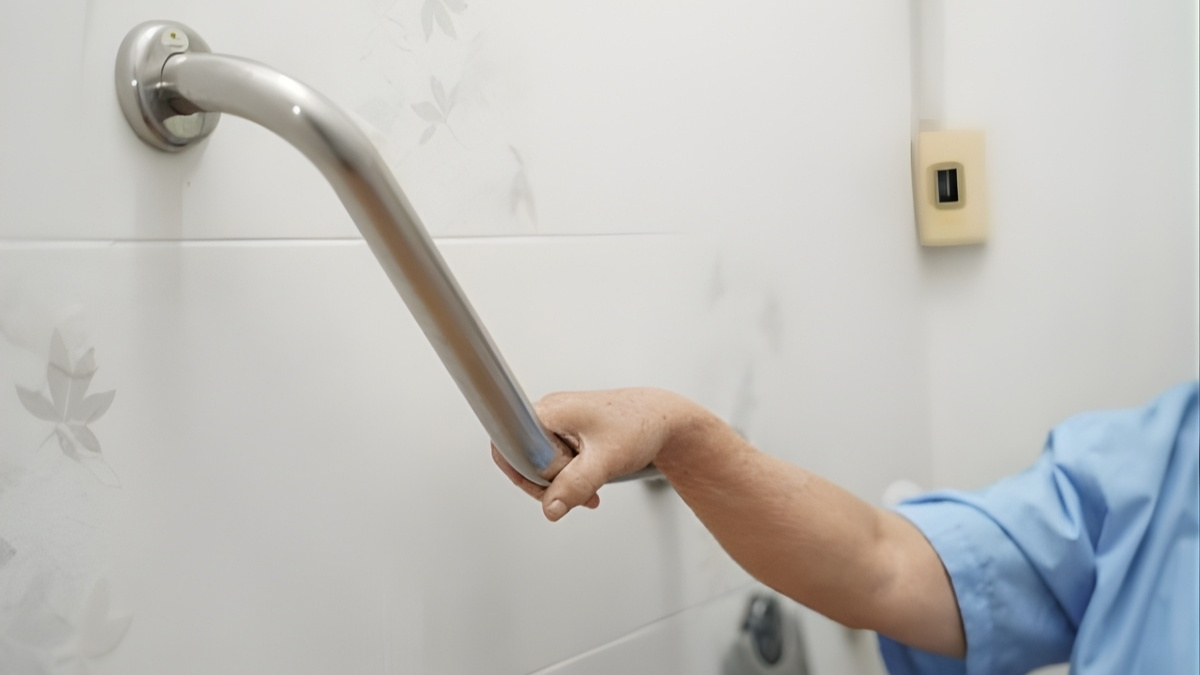
Bathrooms are high risk. Add bars near the shower, tub, and toilet. Put rails on both sides of stairs. Some people add one by the bed for support.
4) Make the bathroom safer.
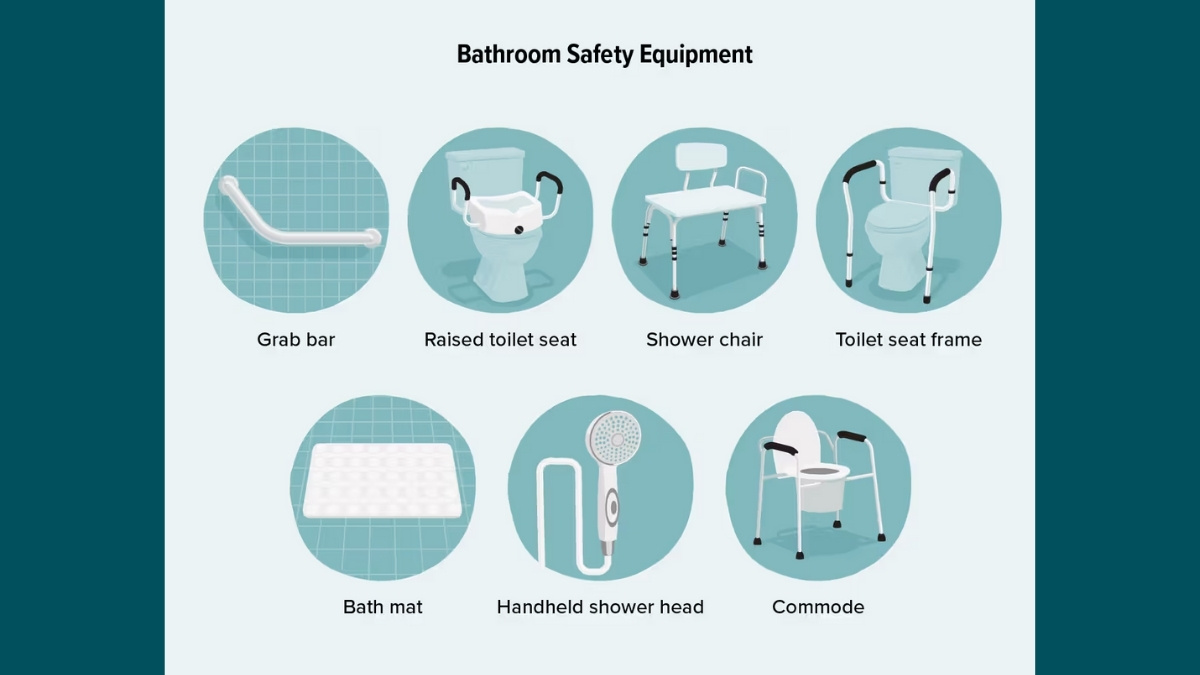
Wet floors cause falls. Use non-slip mats in the tub and shower. Add a shower chair if standing feels risky. A raised toilet seat can help too.
5) Keep daily items easy to reach.
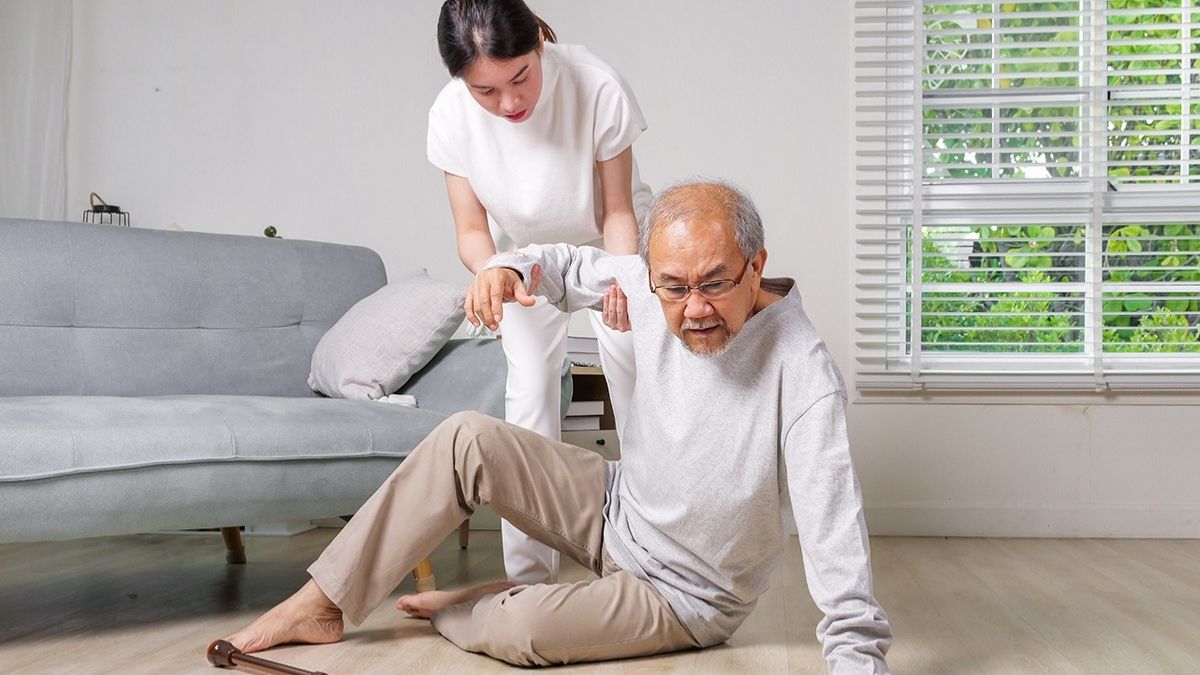
Reaching high causes loss of balance. Store items at waist or chest level. Avoid step stools. Use long-handled reachers instead.
Many fall prevention home modifications cost under $50. Medicare may cover some equipment. Local aging services often help with installs. Small changes protect you every day.
Success Stories
A Tale of Real Results
Otago Program results prove that steady effort brings real magic.
Week Four
Confidence Improves
Week Eight
Strength Becomes Clear
Week Twelve
The Fear Fades
Conclusion: A Simple Plan That Protects You
Falls are not a normal part of aging. This 6-move routine has 30 years of proof behind it. It can cut fall risk by up to 40% when done right. Start with 5 reps, three times per week. Add walking and fix your home.
Start with Exercise 1 today. Print this routine and post it on your fridge. Think about a physical therapy visit. Share this with family. Remember: these fall prevention exercises work, but consistency is key. Just 30 minutes, three times per week, helps protect your independence.