5 Functional Moves to Ensure You Can Still Pick Up Your Grandkids 10 Years From Now
Picture this: Ten years from now, your grandchild runs toward you with arms outstretched, eager for a hug. Can you confidently bend down, lift them up, and swing them around? Or will you hesitate, worried about your back, your knees, or simply not having the strength?
Here’s the reality. Between ages 50-60, muscle strength drops 1.5% annually. After 60, that accelerates to 3% per year. Muscle mass decreases 1-2% annually after 50. Sarcopenia, severe muscle loss, affects 10-16% of elderly people worldwide. Without intervention, picking up a 30-pound toddler becomes impossible.
But you can prevent this. This guide shows you 5 functional fitness movements that mirror real-life activities. You’ll build strength that transfers directly to lifting grandchildren.
The training schedule requires just 2-3 sessions weekly. Every exercise includes modifications for any fitness level. This is your sarcopenia prevention plan to maintain independence for decades.
Why These Specific Moves Matter for Grandparent Life
You don’t need fancy gym equipment or complicated workouts. You need exercises that mirror what you actually do in real life. That’s called functional training. It teaches your muscles to work together for daily tasks like picking up your grandchild, carrying groceries, or getting up from the floor.
The science backs this up. Functional resistance training has been one of the top fitness trends for over a decade. Why? Because it works for activities of daily living. Research shows regular exercise can prevent and postpone many changes that come with aging.
Grandparent Vitality
Functional Training for Real Life
Mirror Real Life
Don’t just lift weights. Train to pick up grandkids, carry groceries, and get up from the floor.
Combine Muscles
Lifting a toddler isn’t just arms. It’s squatting, stabilizing, and hinging all at once.
The Hard Truth
Muscle mass drops 8-10% per decade after 40. Sarcopenia is a real risk.
Fight Back
Just 3 sessions per week targeting multiple muscle groups creates real change.
And here’s the tough truth. Muscle mass decreases by 8% per decade between ages 40-70. After 70, that jumps to nearly 10% per decade. Among hospitalized older adults over 65, nearly half show signs of sarcopenia (severe muscle loss).
But you can fight back. These five movements target multiple muscle groups at once. That means less time working out and more time with your grandkids. Three sessions per week is enough to see real changes.
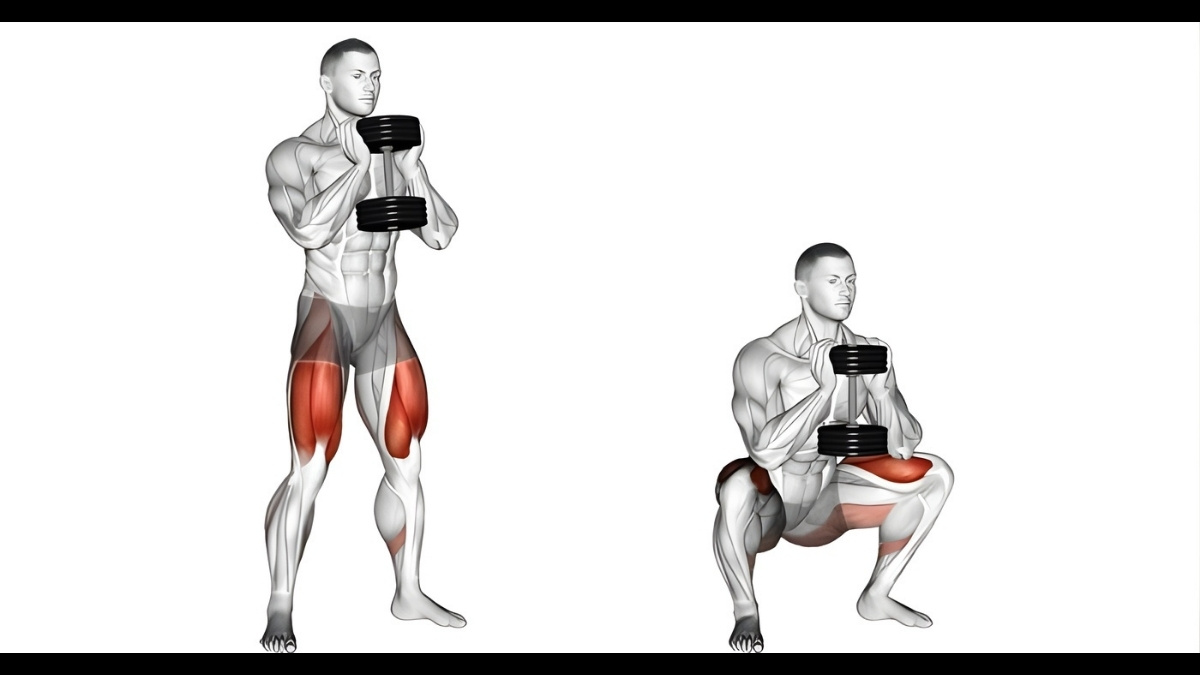
Move #1 – The Goblet Squat (Your Getting-Down-Low Foundation)
Every day, you sit down, stand up, and bend to pick things off the floor. Those movements are squats. Whether it’s getting out of a chair, using the toilet, or lifting a grocery bag, squatting ability determines how independent and pain-free you stay as you age.
Many people lose this ability over time. Knees stiffen. Hips weaken. The lower back starts doing work it shouldn’t. But squatting is the foundation of safe movement. If you can’t squat well, daily tasks become harder—and injury risk rises.
The goblet squat strengthens your calves, quads, hamstrings, glutes, lower back, and core. One exercise trains nearly your entire lower body while reinforcing good posture and balance.
How to Do It
Stand with your feet shoulder-width apart. Push your hips back as if sitting into a chair. Keep your chest up and spine neutral. Lower only as far as comfortable. Drive through your heels to stand back up.
Start with 2–3 sets of 8–10 controlled repetitions.
Your Path Forward
Weeks 1–2: Sit-to-stand squats using a chair for guidance
Weeks 3–4: Bodyweight squats without the chair
Week 5+: Hold a light dumbbell or kettlebell at chest level (goblet position)
Research shows that adults who can repeatedly sit and stand efficiently maintain far better mobility, strength, and long-term health. Lower-body strength isn’t optional—it’s essential.
Move #2 – The Deadlift/Hip Hinge (Safe Lifting Mastery)
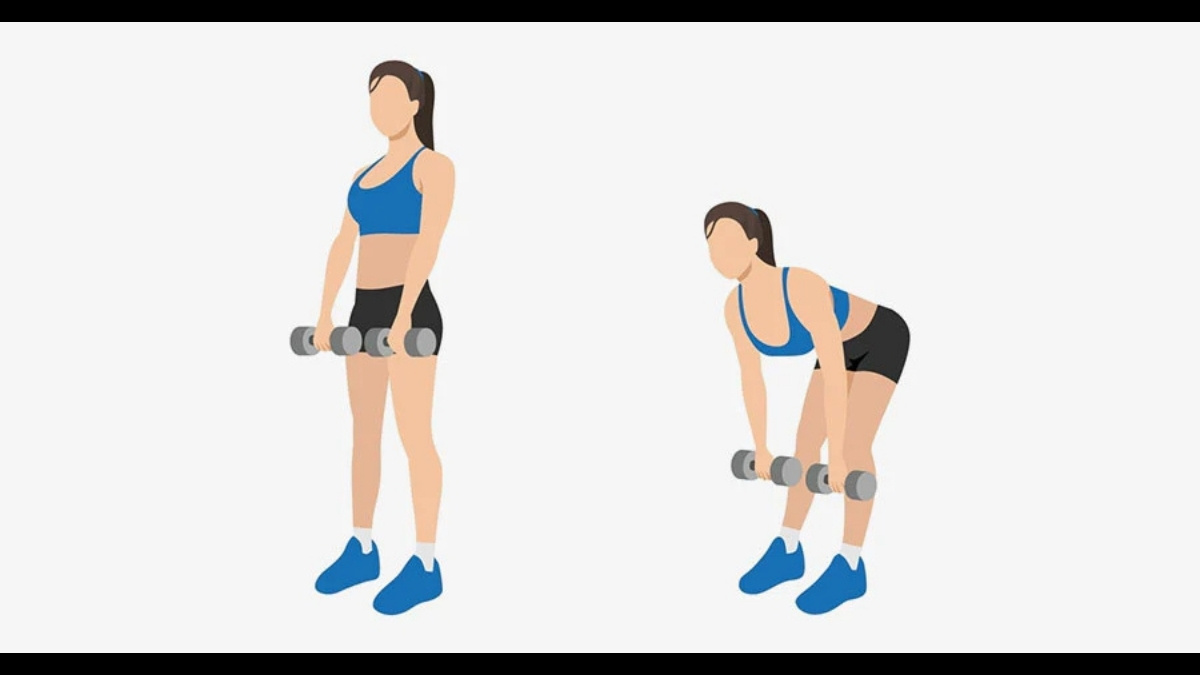
Any time you bend over to pick something up—laundry, a box, a bag—you’re performing a deadlift. Most back injuries don’t happen because something is “too heavy,” but because the movement pattern is poor.
The hip hinge teaches you how to lift safely by using your hips instead of your spine. It strengthens your glutes, hamstrings, quads, lower back, core, and upper-back muscles. This is one of the most important exercises for protecting your spine as you age.
Think of it as long-term insurance for your back.
How to Do It Safely
Stand with feet hip-width apart. Push your hips backward as if closing a car door with your hips. Keep your spine neutral—never rounded. Your shoulders stay above your hips. Hold a light weight with straight arms. Drive through your heels and stand tall.
Begin with 2–3 sets of 6–8 repetitions.
Start Smart
If reaching the floor is uncomfortable, raise the weight on a box, bench, or sturdy platform. This reduces strain while you learn proper mechanics. As strength and mobility improve, gradually lower the starting height.
Master squats first. Then add hip hinges. When these two movements are strong, your back, knees, and hips will stay resilient for decades.
Move #3 – The Farmer’s Carry (Real-World Carrying Power)
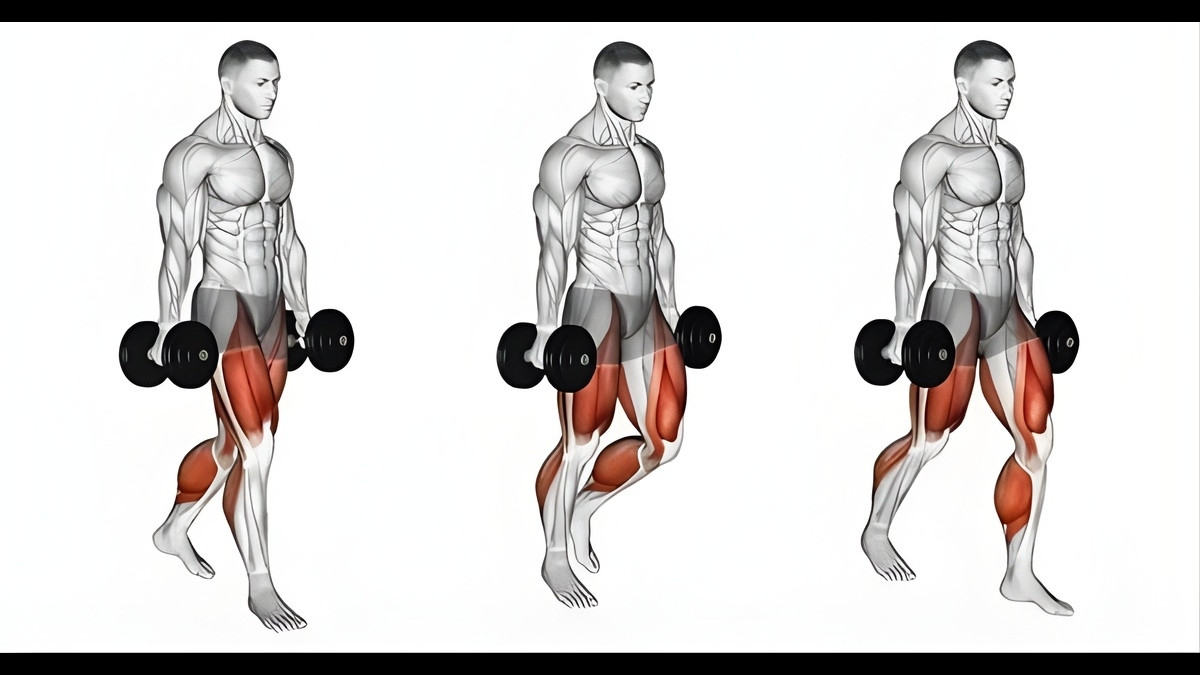
Hold a squirming toddler on one hip while carrying groceries in the other hand. That’s real life. The farmer’s carry trains you for exactly this situation.
This exercise builds serious grip strength. Research shows grip strength predicts how long you’ll live. A 2015 study found weak grip more predictive of death than blood pressure. Strong hands mean better quality of life and lower risk of severe muscle loss.
The carry works your forearms, traps, core, shoulders, back, glutes, hamstrings, quads, and calves. It forces your core to stabilize your spine while you move. That’s functional core strength, not just abs.
How to Do It
Hold a weight in each hand. Stand tall with shoulders back. Tighten your core like someone’s about to punch your stomach. Walk with controlled steps for 30-60 seconds. Don’t let the weights swing. Do 3 sets of 30-40 feet.
Start Light
Begin with 2-5 pound dumbbells or even soup cans. Gradually add weight or distance. Advanced option: hold 8 pounds in one hand and 5 in the other. This challenges your stability even more. Do this two or three times per week.
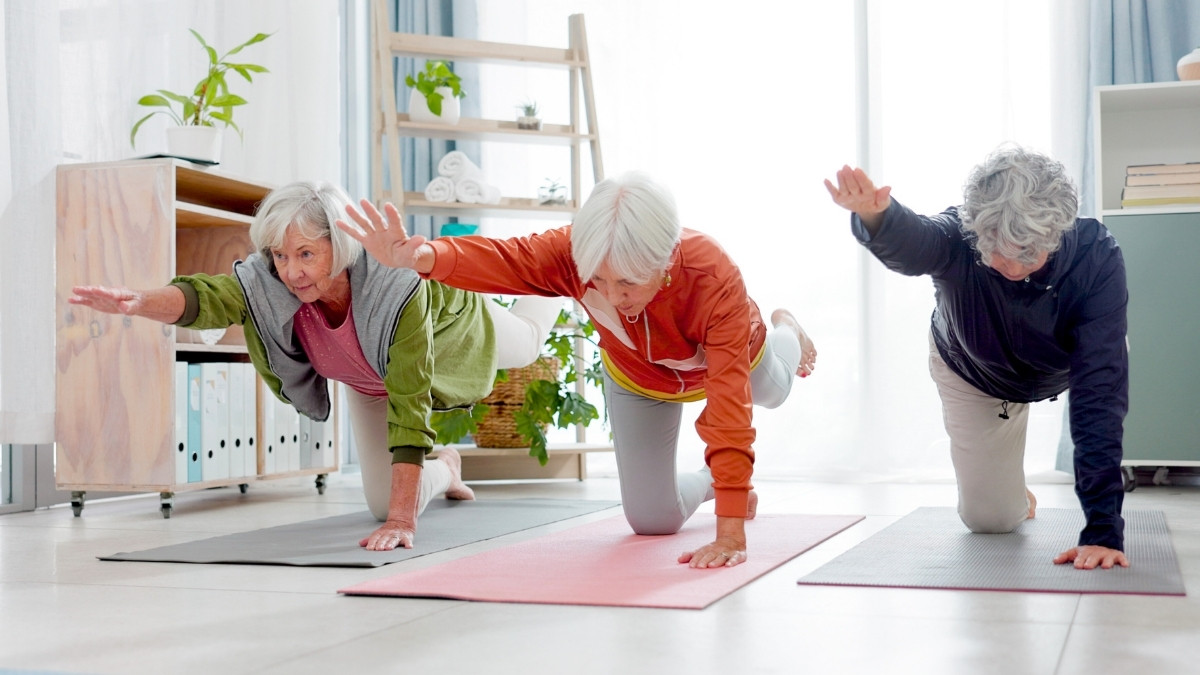
Move #4 – Single-Leg Balance Work (Stability for Safe Lifting)
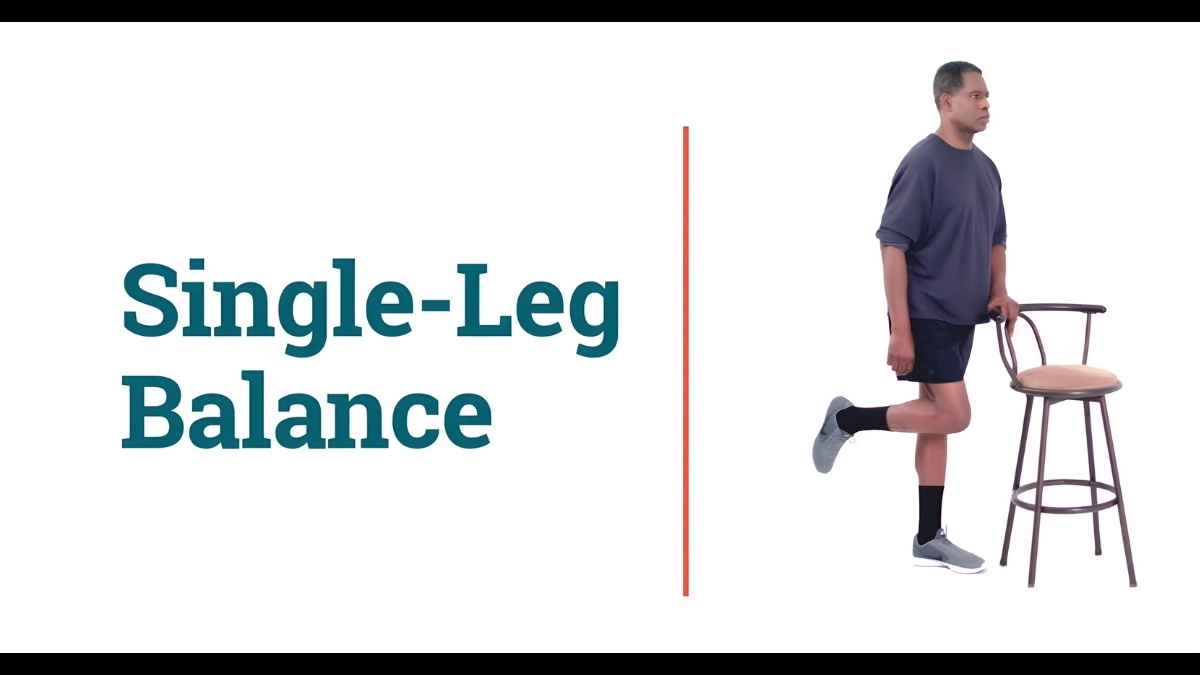
More than 1 in 4 older adults fall each year. Many falls result in serious injuries. You can’t safely lift your grandchild if you’re wobbling on unstable legs.
Your balance system declines with age. Muscle mass can drop 1% per year after midlife. By age 80, you might lose 50% of your muscle. But here’s good news: home-based balance exercises cut fall risk nearly in half for adults over 80. That’s huge.
Balance training also sharpens your brain. Your mind and body connect better. This improves cognitive function alongside physical stability.
Cosmic Alignment
Try single-leg deadlifts once you master level 3.
Stand on one foot. 10-30s per side. Keep chair nearby.
Stand with feet together. 10-30s. Harder than it looks.
Feet shoulder-width. 10-30s. Eyes open. Use support.
Stay Safe
Always practice near a sturdy chair, wall, or countertop. Remove trip hazards from your practice area. Wear non-slip shoes. Practice 2-3 times weekly, or do short daily sessions for even better results. Small daily practice beats long weekly sessions.
Move #5 – Overhead Press (Everyday Shoulder Strength)
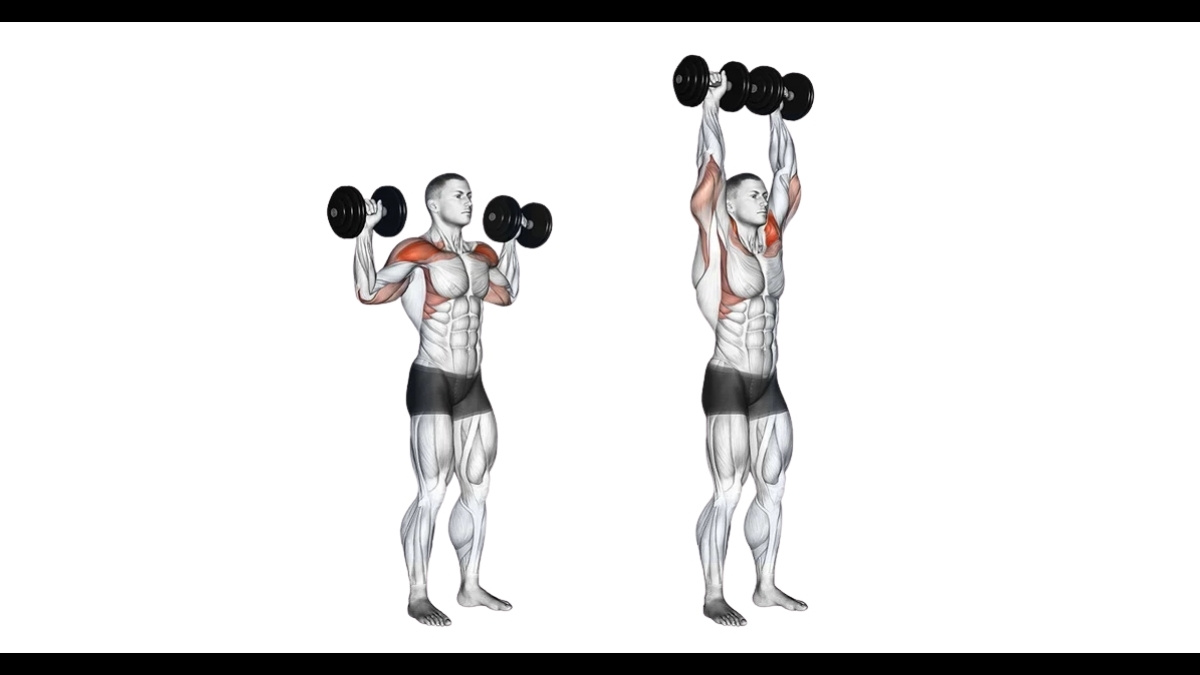
Strong shoulders aren’t just for the gym—they’re essential for daily life as you get older. Reaching a high shelf, placing groceries away, carrying objects, or maintaining good posture all depend on overhead strength. As men age, shoulder weakness and stiffness are common, leading to pain and limited movement.
The overhead press strengthens the shoulders, upper back, arms, and core. When performed correctly, it improves stability, posture, and joint health. Keeping your shoulders strong helps you stay independent and confident in everyday movements for years to come.
How to Do It Right
Sit toward the front of a sturdy chair. Keep your chest tall and your feet flat on the floor, knees slightly above ankle level. Pull your shoulders back and down. Gently brace your core by drawing your belly button inward.
Hold light dumbbells at shoulder height. Press them upward at a slight forward angle, stopping just before your elbows lock. Lower the weights slowly and with control. Start with 2–3 sets of 6–10 repetitions.
Watch Your Form
Your shoulders should stay relaxed and down—never shrugged toward your ears. If the weights cause you to lean forward, reduce the load. If you feel pressure in your lower back, stop and reset your posture. Never arch your spine to force the weight overhead. Control matters more than how heavy the weight is.
Start Easy
Progress Slowly
Standing overhead press for an extra balance challenge.
Seated with 2-5 lb dumbbells.
Seated, no weight, just practice the motion.
BONUS SECTION – The “Getting Up Off The Floor” Skill (Turkish Get-Up Simplified)
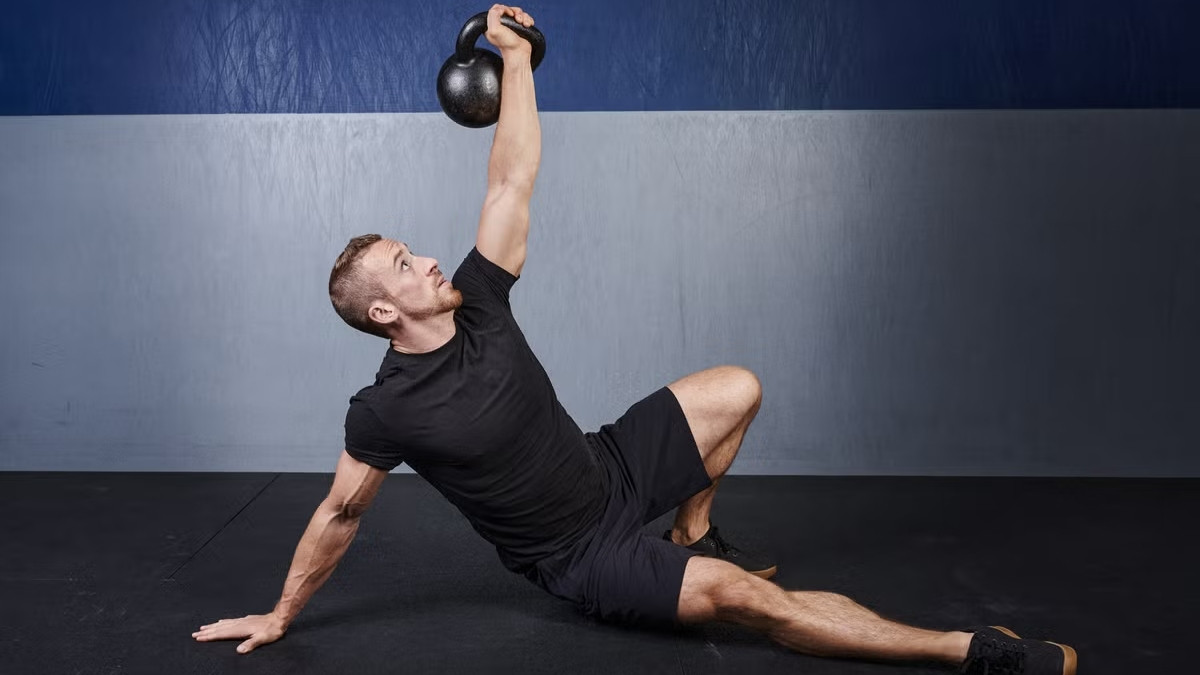
Can you get up off the floor without using your hands? This skill predicts how long you’ll live. Older adults who can rise from the floor easily avoid more falls and stay independent longer.
This movement requires strength and coordination between your shoulders and hips. It’s total body integration. When you play with grandkids on the floor or fall on ice, you need this ability.
Your Simple Practice Plan
Step 1: Practice getting down to the floor safely.
Step 2: Roll to your side and push up to seated.
Step 3: Move to a kneeling position.
Step 4: Stand using a lunge stance. Step 5: Reverse the entire movement.
Start with bodyweight only. Practice near a wall or sturdy furniture. Do this 2-3 times weekly. Later, hold a light weight to increase difficulty.
As one expert says: “It’s incredibly important as we get older to maintain the ability of getting on and off the floor.” This one skill protects your functional independence.
Your 10-Year Grandkid-Strength Training Plan
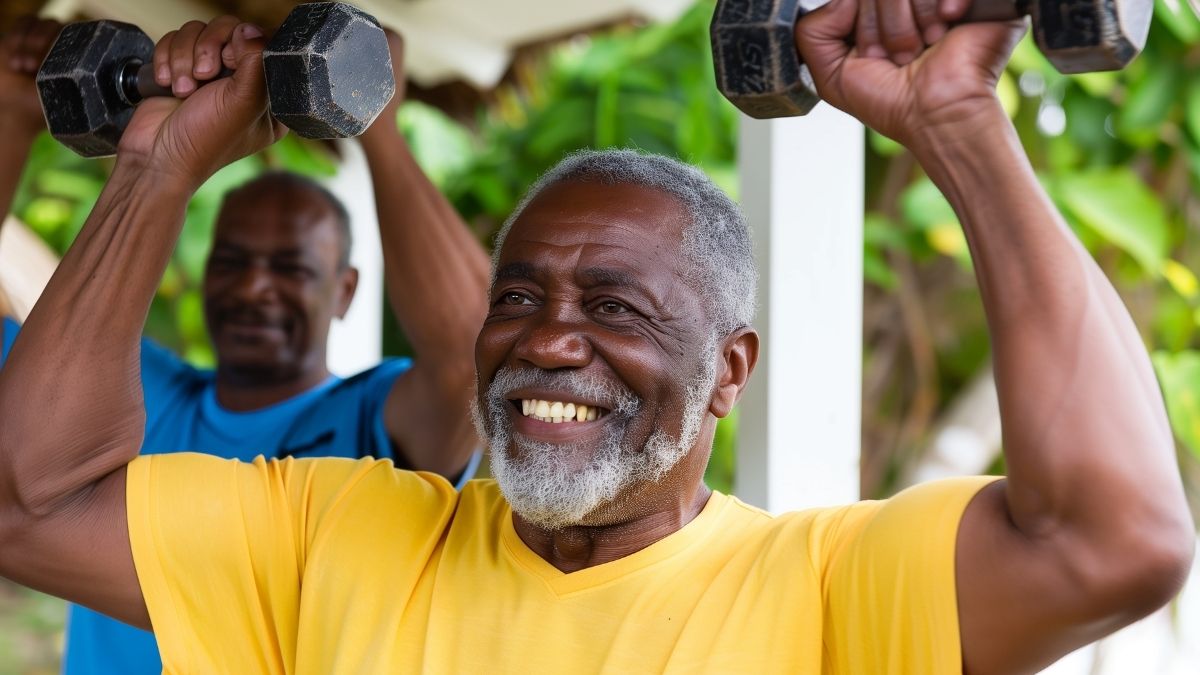
Here’s your roadmap. Start simple. Build gradually. Stay consistent.
Weeks 1-4 (Beginner) Monday: Squats + Balance (20 min). Wednesday: Deadlifts + Carries (20 min). Friday: Overhead Press + Floor practice (20 min). Do 2 sets per exercise. Focus only on form.
Months 2-6 (Intermediate) Monday: Squats + Overhead Press (30 min). Wednesday: Deadlifts + Balance (30 min). Friday: Carries + Floor-to-Stand (30 min). Increase to 3 sets. Add light weights.
Months 7-12+ (Advanced) Three full-body sessions weekly. All 5 movements each session. Gradually increase weight. Sessions last 40-45 minutes.
Your Progress Rules Adults 65+ need 150 minutes of activity weekly plus 2 days of strength work. Only add weight when your current weight feels easy for 12+ reps. Form always beats weight. Rest 48 hours between sessions.
Track Your Wins Week 1: Can you do 10 bodyweight squats? Month 3: Can you deadlift 25% of your bodyweight? Month 6: Carry 20 pounds for 60 seconds? Month 12: Lift 30-40 pounds overhead?
Conclusion:

Remember that picture of your grandchild running toward you with outstretched arms? That future is in your hands. Five movements practiced consistently can change everything. Just 20-45 minutes, three times weekly.
Start where you are. Progress at your pace. Your age doesn’t matter. Your current fitness doesn’t matter. What matters is starting today. The strength you build now becomes the memories you make tomorrow.

![Researchers Reveal the Best Time of Day to Move for Health [You're Probably Doing It Wrong]](https://savvyhipster.com/wp-content/uploads/Add-a-heading-2025-12-15T165903.370-768x432.jpg)