“I’m 64 and Bench Press 30 Daily.” The 3 “Anti-Aging” Lifts Everyone Over 50 Should Copy
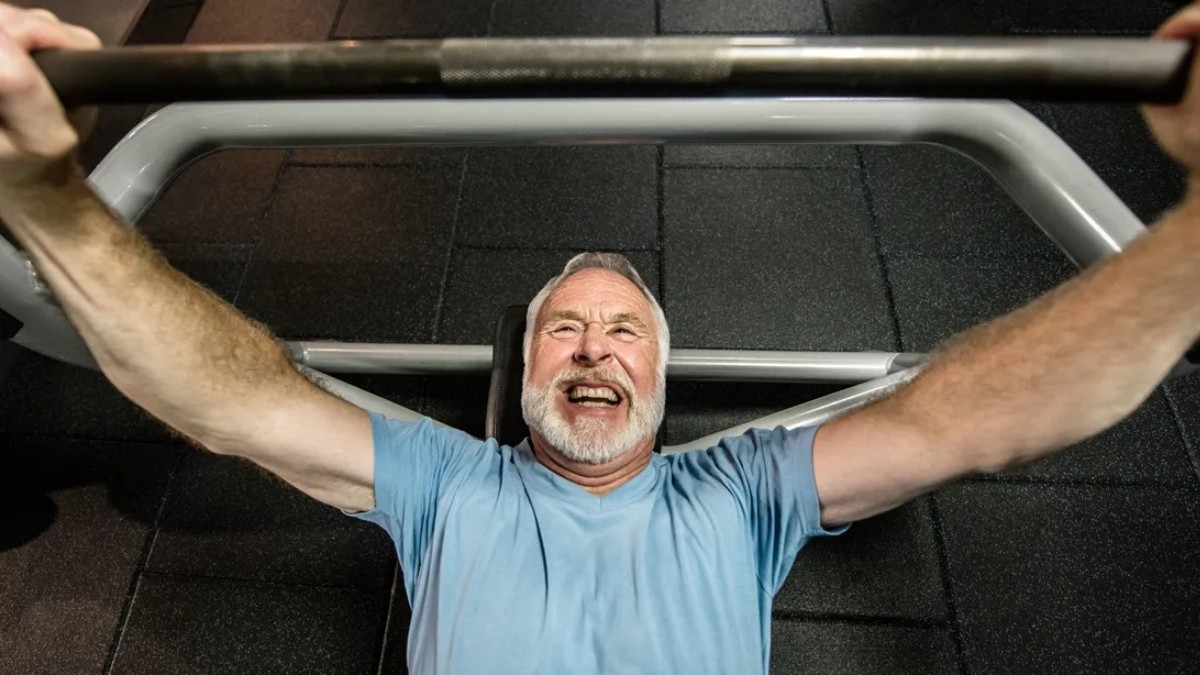
At 64, I can bench press more weight than I could at 45. And science shows you can too.
Here’s what most people don’t know. After age 50, you lose 3-8% of muscle mass every decade. This leads to weakness, falls, and losing your independence. Most people think it’s just part of getting old.
It’s not.
You can reverse sarcopenia (muscle loss) with three specific lifts. You’ll learn which exercises work, how to start safely, and exactly how much protein you need. Follow this plan for 8-12 weeks and watch your strength come back.
No gym experience needed. Just the willingness to start.
Longevity Lifts
This article is structured into 8 points—read them one by one to discover the three anti-aging lifts people over 50 can copy to build strength, resilience, and longevity.
Point One: The Bench Press Builds Functional Upper Body Strength After 50
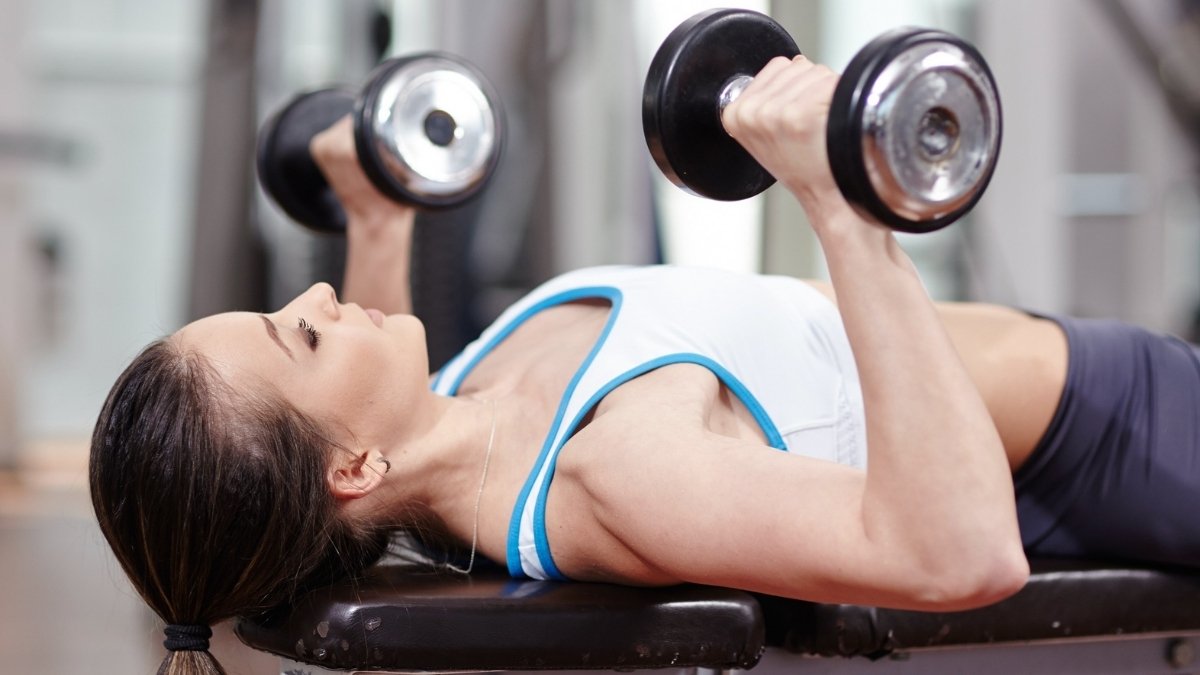
The bench press isn’t just for bodybuilders. It’s one of the best exercises for staying independent after 50.
This lift works your chest, shoulders, and triceps all at once. Your core muscles also work to keep you stable. That’s why it helps with real life. Pushing open heavy doors. Carrying Light dumbbells. Getting up from the floor. These all get easier.
Starting around age 30, you lose 3-5% of muscle mass per decade if you don’t train. The bench press fights this. Research shows it supports daily activities like lifting Light dumbbells and pushing yourself up from a couch.
Men in their 50s can typically bench press about 75% of their body weight. That’s normal. Want proof you can do better? Phillip Hambrick bench pressed 335 pounds at age 71. He set a Guinness World Record in June 2025.
You don’t need to lift that much. Many people over 65 start with just the 45-pound bar. Some use dumbbells or do floor presses first. The key is starting and being consistent.
Your upper body strength directly affects your quality of life. Don’t skip this lift.
Point Two: Why The Squat Is Essential for Maintaining Independence After 60
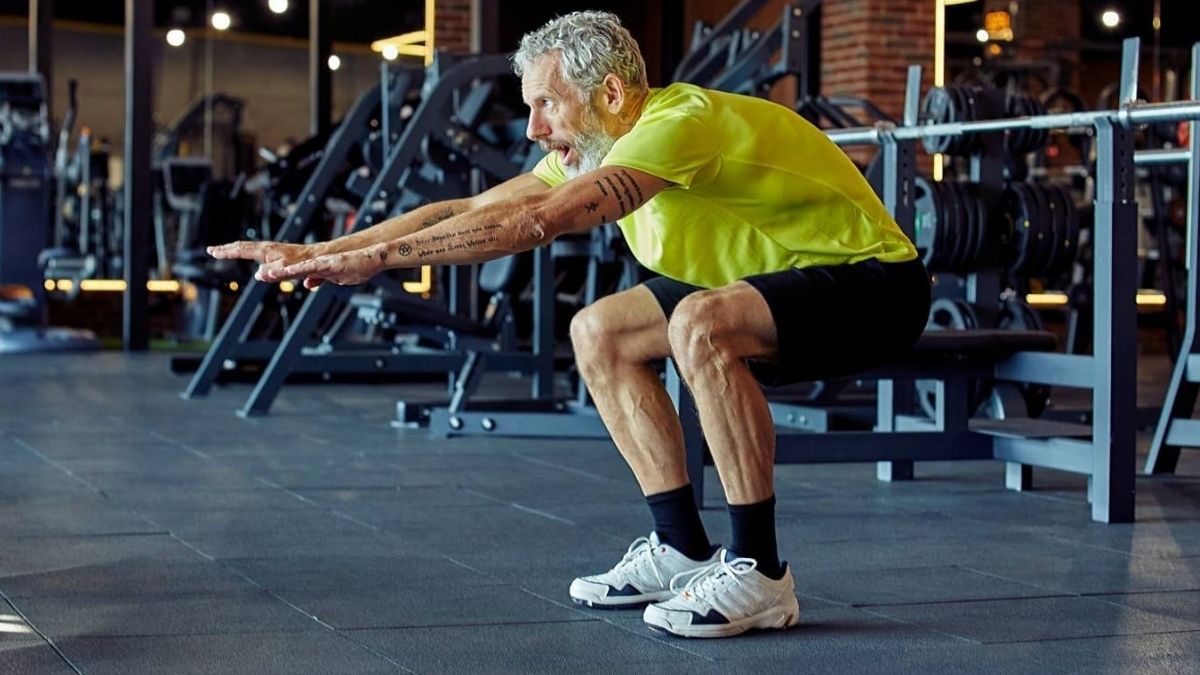
Can you stand up from a chair without using your hands? Can you climb stairs without holding the rail? The squat makes both possible.
This exercise works your entire lower body. Your quads, glutes, hamstrings, and core all fire together. These are the exact muscles you use every day. Getting out of chairs. Walking up steps. Catching yourself when you stumble.
The numbers are scary. Muscle mass drops from 600,000 muscle fibers at age 50 to just 320,000 by age 80. People who don’t strength train lose four to six pounds of muscle every decade. That’s why falls become so dangerous.
Balance exercise plus resistance exercise significantly improved walking speed and physical performance in 2025 research. The squat does both. It builds strength and trains your balance at the same time.
You have options. Start with chair squats where you sit and stand repeatedly. Move to box squats. Then goblet squats holding a light weight. Finally barbell squats when you’re ready.
The squat prevents the loss of independence. It’s that simple.
Point Three: The Deadlift Variation That’s Safe and Effective for Older Adults
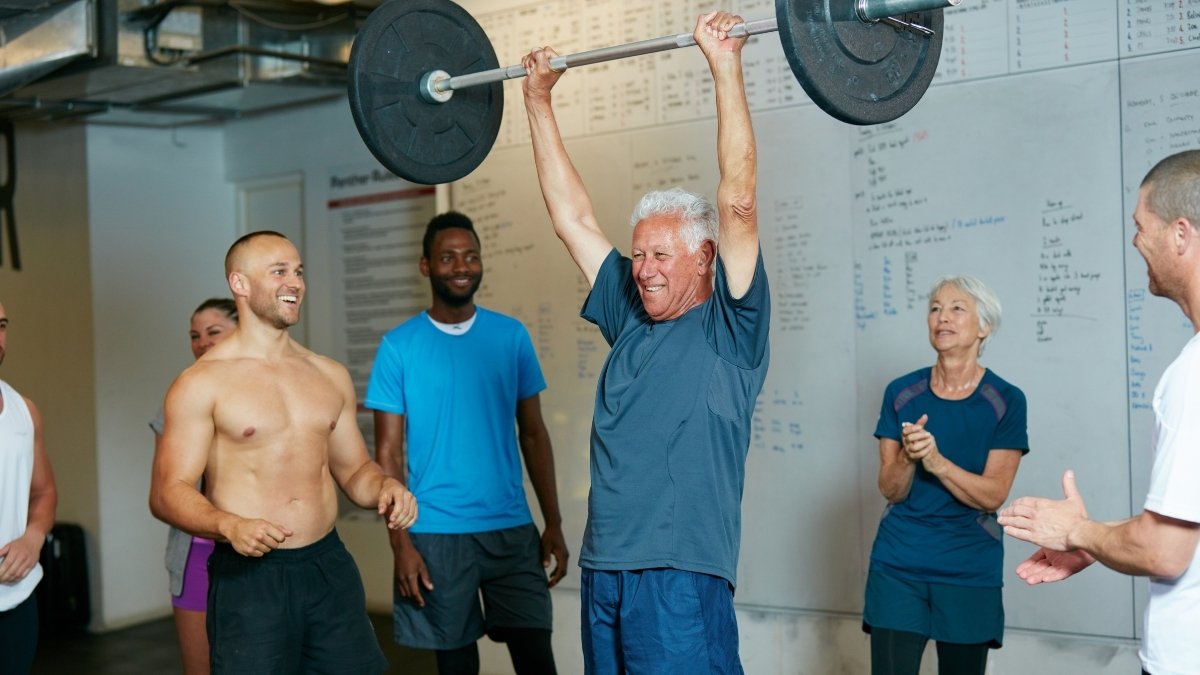
If you could only do one exercise after 60, make it a deadlift variation. Nothing else works as many muscles.
The deadlift trains your entire posterior chain. That’s your glutes, hamstrings, lower back, upper back, and grip strength. These muscles control your posture and power every movement where you bend and lift.
Think about your daily life. Picking up groceries. Lifting a grandchild. Getting luggage from the floor. You deadlift dozens of times each day. Training the movement makes it safer and easier.
Deadlifts are one of the most functional movements we do in daily life. But you don’t need to do conventional deadlifts. Romanian deadlifts (RDLs) and trap bar deadlifts offer the same strength with less injury risk.
Focus on form over weight. Your back should stay straight. Push through your heels. Breathe properly. These details matter more than how much you lift.
The deadlift also fixes posture. It strengthens the erector spinae muscles that keep you upright. This prevents the hunched-over look many older adults develop.
Start light. Master the movement. Then slowly add weight.
Point Four: The Science-Backed Starting Protocol for Adults Over 50
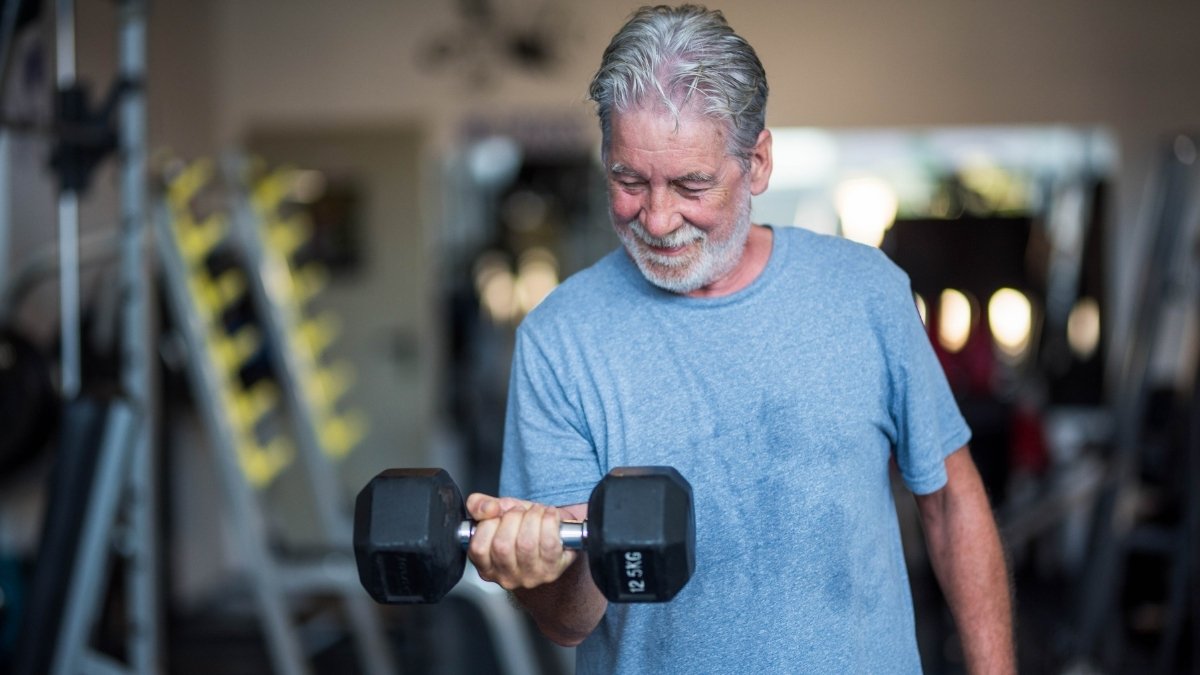
The biggest mistake isn’t starting too light. It’s starting too heavy and getting hurt.
First, talk to your doctor. Get medical clearance, especially if you have heart problems, joint issues, or high blood pressure. This isn’t optional.
Start with bodyweight only. Then choose weights that let you do eight to 10 reps with good form. Can’t do a regular squat? Do chair squats. Can’t bench press a bar? Start with push-ups against a wall.
Spend four to six weeks learning proper form. Technique beats heavy weight every time. Your nervous system needs time to learn these movements. Rush this and you’ll get injured.
Progressive overload comes next. Add a little weight each week. Or do one more rep. Small increases add up fast.
Start with two or three sessions per week. Do five to six exercises for three sets of 10 reps. Patients with severe sarcopenia see benefits even at lower intensity (30-60% of their max).
Consider hiring a qualified trainer for your first month. They’ll teach you proper form and keep you safe.
Point Five: Why You Need More Protein Than You Think (And Exactly How Much)

You’re probably eating half the protein you need. Most people over 50 are.
Your protein requirements go up as you age. Researchers recommend eating more than 1.6 grams per kilogram of body weight per day when you’re strength training. That’s about 109 grams for a 150-pound person.
Why so much? Anabolic resistance. Your muscles don’t respond to protein as well as they used to. You need more to get the same muscle-building effect.
Increase your protein to 30-35 grams per meal. For adults 40-50, you need 1-1.2 grams per kilogram daily. That’s 75-90 grams for a 165-pound person. Over 50? You need 1.2-1.6 grams per kilogram.
Timing also matters. Eat 30-35 grams of protein within two hours after your workout. This is when your muscles absorb it best.
Good sources include lean meats, fish, eggs, dairy, legumes, and protein powders. Spread your protein across all meals. Don’t eat it all at dinner.
Your muscles need fuel to grow. Give them enough protein or your workouts won’t work.
Point Six: Your Weekly Strength Training Blueprint for Maximum Results

More training isn’t always better. Especially after 50.
Two to three sessions per week is the sweet spot. Two training sessions per week is the standard prescription for older adults with sarcopenia. Your body needs recovery time between workouts.
Each session should include the three main lifts plus 2-3 accessory exercises. Do 2-3 sets per exercise. Aim for 8-12 repetitions per set. Rest 48 hours before working the same muscle groups again.
The National Institute on Aging recommends strength training at least two days per week. Research shows resistance exercise combined with aerobic and balance training works best. Walk on your off days. Practice balance exercises.
A simple schedule: Monday and Thursday. Or Tuesday, Thursday, and Saturday. Keep it consistent. Missing workouts hurts your progress more than lifting lighter weights.
Sessions can be short. Ten to 30 minutes produces real results if you focus and work hard. You don’t need hours in the gym.
Recovery is when your muscles actually grow. Sleep well. Stay hydrated. Let your body repair itself between sessions.
Point Seven: The 5 Critical Mistakes Most People Over 50 Make (And How to Fix Them)

Training Mistakes
Your ego wants to lift heavy. Your joints can’t handle it yet. Start lighter than you think you need. Add weight slowly.
Cold muscles tear easily. Spend five minutes doing light cardio and dynamic stretches. Move your joints through their full range before lifting.
Muscle fatigue feels like burning and gets better with rest. Joint pain is sharp and gets worse. Stop if something hurts in a bad way.
You can’t work out hard for two weeks, then skip three weeks. Results need consistent effort over months. Schedule your workouts like doctor appointments.
You can’t out-train a bad diet. Without enough protein, your muscles won’t grow. Period.
Point Eight: Your Month-by-Month Guide to Building Muscle After 50

Weeks 1-4: You’ll feel stronger fast. This isn’t muscle growth yet. Your nervous system is learning to use the muscles you already have more efficiently. Your form improves. Movements feel smoother.
Weeks 5-8: Now you’ll see visible changes. Your arms look more defined. Your legs fill out your pants better. People might start commenting. You’ll feel more solid when you move.
Weeks 9-12: This is where real muscle growth shows up. You can lift significantly more weight. Your measurements increase. You’re visibly more muscular.
About 25-45% of U.S. seniors have sarcopenia. But strength training is the only thing proven to slow it down. One study found that middle-aged adults doing one to three strength workouts weekly were 40-70% less likely to have a heart attack or stroke.
A 2025 meta-analysis showed strength training has the strongest effect on improving brain function. Joan MacDonald started strength training in her 70s and completely transformed her health.
Beyond the physical changes, you’ll sleep better. Have more energy. Feel more confident. These non-scale victories matter just as much as the muscle.
Conclusion:
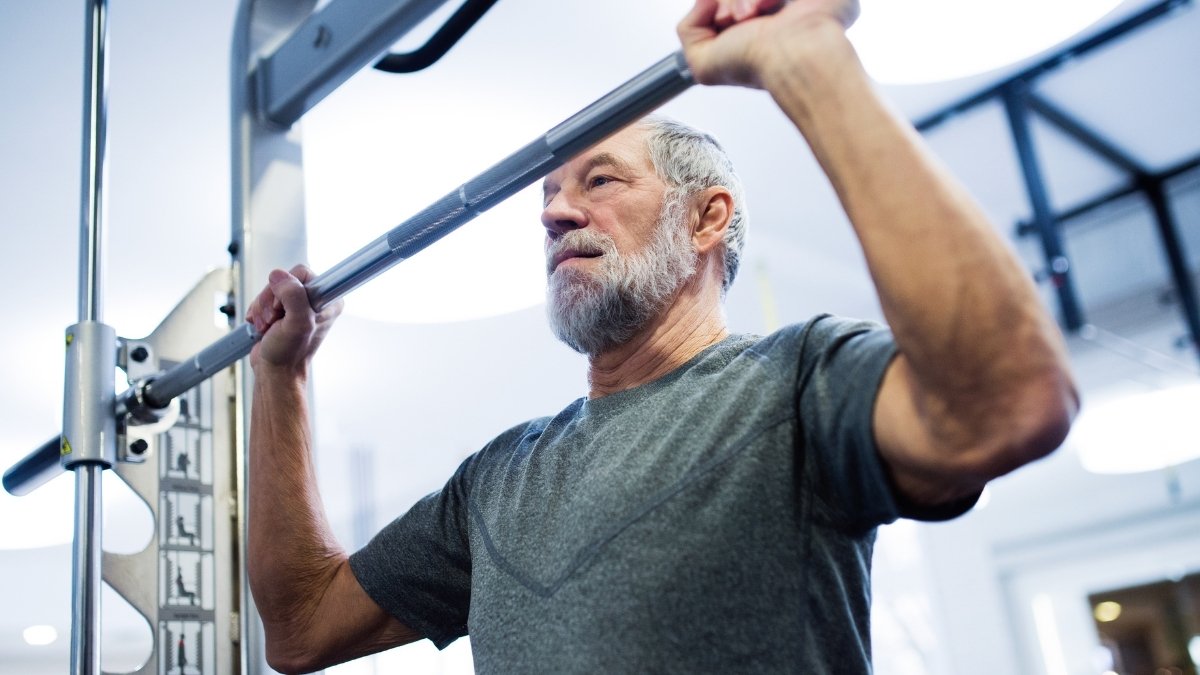
The bench press, squat, and deadlift build the foundation of anti-aging strength training. Add enough protein (1.2-1.6g per kilogram) and train 2-3 times weekly.
These exercises reverse sarcopenia, maintain your independence, and extend your healthspan. Start today with bodyweight variations. Talk to your doctor and find a trainer if needed.