

You’re not imagining it. That flat, foggy, low-energy feeling that settles in by mid-afternoon is real, and it’s not just stress. Men in their 30s, 40s, and early 50s who feel tired, weaker, or less sharp than they used to are dealing with something the research now makes hard to dismiss:
Men’s testosterone decline is happening faster than aging alone can explain, and most men have no idea why.
Most men are losing testosterone faster than aging alone explains, and the causes are largely environmental and behavioral, not simply biological. By the end of this article, you’ll know the four forces pushing your levels down and the one concrete step you can take this month to find out where you actually stand.
1. What the Numbers Actually Show: A 17% Drop in One Generation
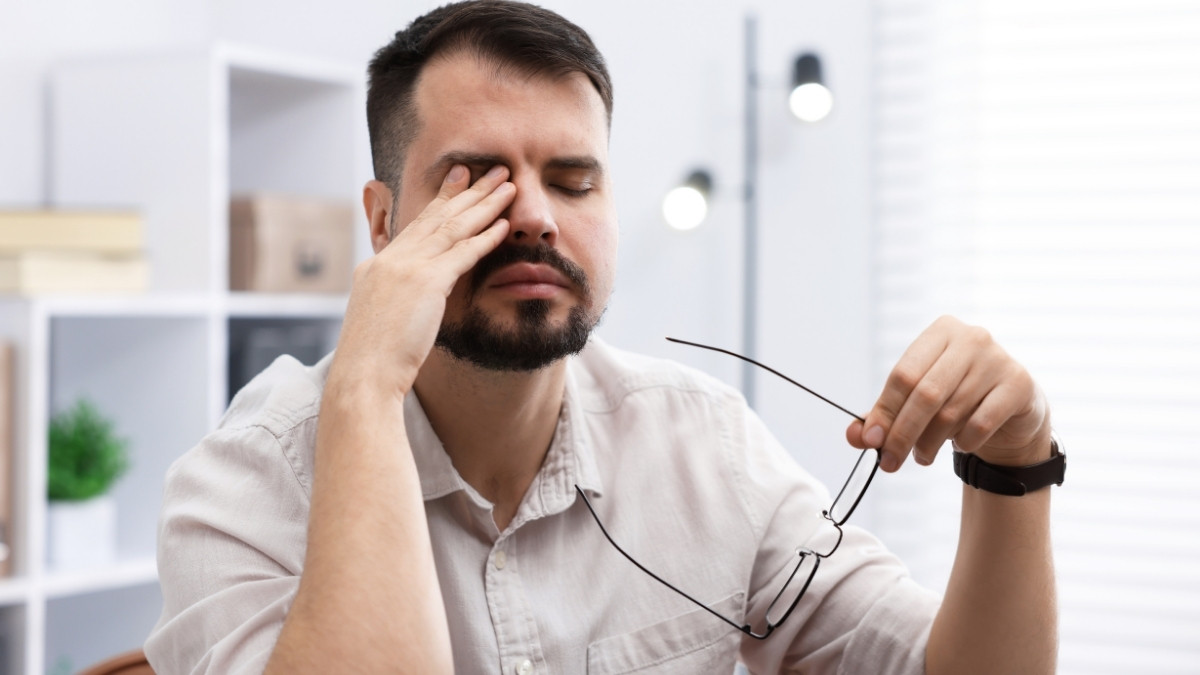
If you feel like you’re running at 80% of what you used to be, there’s a real hormonal reason that deserves a closer look. A landmark study tracked testosterone levels in American men across three time periods: 1987, 1995, and 2002.
It found that a 60-year-old man measured in 2004 had testosterone roughly 17% lower than a 60-year-old measured in 1987. Same age. Different generation. Very different levels.
Researchers followed randomly selected men aged 45 to 79 in the Boston area over nearly two decades for this finding, which came from the Massachusetts Male Aging Study. They adjusted for obesity, smoking, alcohol use, and chronic illness. The generational decline held anyway. It was not explained by the things we usually blame.
The separate decline that every man experiences with age sits at roughly 1% per year after 30. That decline is on top of this generational drop. A man in his mid-40s today may have the hormone profile his father had in his mid-50s, not because he’s unhealthy, but because population-wide baseline levels have shifted downward.

Men’s testosterone decline is not a personal failure. It is a population-level trend confirmed by research in randomly selected, community-dwelling men. That distinction matters because it changes what you look at next.
The data tells you the decline is real. What it cannot tell you is what changed between 1987 and today to cause it. That answer starts in an unexpected place.
2. The Chemical Load Your Father Never Carried
Your father’s house didn’t have the same plastic. His food wasn’t packaged the same way. His shampoo, his shower curtain, his receipt from the grocery store: none of it carried the same chemical load. That’s not nostalgia. That’s the mechanism behind one part of the generational shift in men’s testosterone decline.

Endocrine-disrupting chemicals [synthetic compounds found in plastics, food packaging, and personal care products that interfere with the body’s hormone-signaling system] entered widespread production and use from the 1960s onward and have accelerated since.
Two of the most studied are phthalates [a group of chemicals used to make plastics soft and flexible, found in food packaging, vinyl flooring, and personal care products] and BPA [bisphenol A, a chemical used in hard plastics and food can linings that mimics estrogen in the body].
For men ages 40 to 60, research found that specific phthalate metabolites were linked to measurable reductions in total, free, and bioavailable testosterone.
A cross-sectional study using data from the National Health and Nutrition Examination Survey confirmed that multiple phthalates were associated with significantly reduced testosterone levels in men across different age groups. The study’s cross-sectional design shows association, not causation, but the pattern was consistent across thousands of participants.

Here is the mechanism researchers have identified. Phthalates interfere with Leydig cells [the cells in the testes responsible for producing roughly 95% of a man’s testosterone] by blocking a protein called StAR
[steroidogenic acute regulatory protein, which moves cholesterol into the mitochondria, the step that starts testosterone production]. Less StAR activity means less testosterone produced.
Your testosterone is not just declining because you are getting older. It is declining because the modern world is chemically, hormonally, and behaviorally designed to suppress it.
What happens inside your body every night is the next piece of this picture, and it may be the most actionable one.
3. Why Poor Sleep Is Now a Hormone Problem, Not Just a Sleep Problem

Most men who are running short on sleep think they’re just tired. They are, but they’re also running a hormone deficit they don’t know about.
Your body releases the majority of its daily testosterone during sleep, concentrated around the deepest phases of the sleep cycle. When sleep is cut short, production is cut short too. A study published in JAMA found that healthy young men who slept five hours per night for one week had daytime testosterone levels 10 to 15% lower than when they slept a full night.
One week of short sleep produced the hormonal equivalent of aging 10 to 15 years, according to the University of Chicago researchers who conducted the study. That number is worth sitting with.
At least 15% of the US adult working population gets fewer than five hours of sleep per night.
Sleep loss as disruptor is not a figure of speech. The lead researcher stated directly that short sleep duration and poor sleep quality are increasingly recognized as endocrine disruptors, the same category as the chemicals in the previous section.

Your sleep schedule and your chemical environment are acting on the same hormonal system.
Worth checking: If you’re regularly sleeping six hours or less and wondering why your energy and drive have dropped, this connection is worth raising with your doctor before blaming age.
One note on this research: the JAMA study used 10 healthy young men averaging age 24. The principle that testosterone production is concentrated in sleep and disrupted by short sleep is consistent with broader sleep-endocrinology research, but the exact percentage reduction may differ in older men or with different degrees of sleep restriction.
The next section covers something that happens in the body’s fat tissue. Unlike sleep loss, it runs all day without stopping.
4. The Body Fat Loop: How Extra Weight Steals More Testosterone

Carrying extra body fat around the abdomen does something most men aren’t told about. It doesn’t just sit there. It actively converts testosterone into estrogen, and the more fat there is, the more conversion happens.
Fat tissue contains an enzyme called aromatase [the enzyme that converts testosterone into estradiol, a form of estrogen, in tissue outside the testes]. As body fat increases, aromatase activity increases proportionally. More of the testosterone your body produces gets converted before it can do anything useful.
This creates a self-reinforcing loop. Higher body fat means lower testosterone. Lower testosterone makes it easier to gain fat and harder to build or keep muscle. More fat means more aromatase. More aromatase means even lower testosterone.⁷
The pituitary signal breaks down too. As estrogen rises from the conversion, the brain’s signaling system gets suppressed, reducing the signal that tells the testes to keep producing testosterone.
Good news: this loop runs in reverse. A review published in PMC found strong evidence that weight loss, specifically through reductions in body fat percentage, led to increased testosterone, mediated directly by reduced aromatase activity.

Diet, resistance exercise, and in more extreme cases bariatric surgery all showed this effect.
Men who reduce body fat are not just improving their cardiovascular numbers. They’re changing the internal chemistry that determines how much testosterone actually circulates.
Stress works through a different part of the same production chain, and it is worth knowing why the body treats it as an emergency.
5. Stress, Cortisol, and Why Your Body Chooses Survival Over Sex Drive
Chronic stress does not just make you feel worse. It redirects the raw material your body uses to make testosterone.
Cortisol and testosterone share a common origin: both are synthesized from cholesterol through the same upstream pathway. When the brain perceives ongoing stress, the body prioritizes cortisol [the primary stress hormone, released by the adrenal glands in response to physical or psychological pressure] production. Less cholesterol is available for testosterone synthesis.

The body is not choosing poorly. It is choosing survival, the way it always has. In a genuine emergency, sex drive and muscle building are not priorities. The problem is that modern stress is chronic, not acute.
Chronically elevated cortisol is also linked to suppression of the HPG axis [the hypothalamic-pituitary-gonadal axis, the signaling chain that runs from the brain down to the testes and controls how much testosterone is produced]. When cortisol stays high, this chain is dampened at multiple points, signaling the testes to reduce output.
The practical point is this: managing chronic stress is a direct intervention in the hormone production chain, not a wellness preference. Exercise, consistent sleep, and predictable daily structure all reduce baseline cortisol, which is one reason these habits improve testosterone markers across multiple studies.
Talk to your doctor before changing your supplement routine or exercise plan if you’re on medication, managing a chronic condition, or recovering from injury.
Everything covered so far, chemicals, sleep, body fat, stress, points toward the same outcome. The next section names what you can actually do about it, and what to check first.
6. What Men Can Do About Testosterone Decline, and Where to Start
You don’t need a complete life overhaul. Three areas have the clearest support in the research, and one medical step comes before all of them.

The test first. The Endocrine Society states that testosterone must be measured more than once for accurate assessment and that levels are highest in the morning. A single afternoon test can show falsely low numbers because testosterone follows a daily cycle. Request a morning blood draw, ideally before 10 a.m., and ask your doctor for both total and free testosterone.
The three areas with solid evidence:
- Resistance training. Exercises that load large muscle groups, such as squats, deadlifts, rows, and presses, produce acute increases in testosterone after each session. The evidence for long-term increases in resting levels is more mixed, but consistent training reduces body fat, which directly lowers aromatase activity. Both pathways matter.
- Vitamin D status. Vitamin D receptors are present in the Leydig cells that produce testosterone. A 2023 systematic review found that multiple studies showed an association between vitamin D deficiency and lower testosterone levels in adult males. If you haven’t had your vitamin D checked, it belongs on the same blood panel as your testosterone.
- Zinc, with an important caveat. Correcting a true zinc deficiency is associated with improved testosterone synthesis. Supplementing when your levels are already normal does not raise testosterone further. Get tested before supplementing.
What the research does not support is the idea that any single supplement will reverse a generational or environmental decline. The forces working against men’s testosterone decline are systemic. The response needs to be too.
Final Words,

The clearest starting point is also the simplest: get a morning testosterone blood test this month. Ask your doctor for a morning testosterone blood test before you assume your symptoms are just part of getting older.
Low testosterone has real, addressable causes: chemical exposure, short sleep, excess body fat, and chronic stress. None of them require a diagnosis to begin working on. Know your number first.
DISCLAIMER⚠️:
This article is for informational purposes only and does not constitute medical advice, diagnosis, or treatment. The content addresses declining testosterone levels in men due to lifestyle and environmental factors and is intended for general educational purposes only. Health conditions vary significantly between individuals — always consult a licensed physician or qualified healthcare provider before making any decisions about your health or medical care.